Politics & Government
Pickleball Noise Causes Headaches For Neighbors In Libertyville
Homeowners living on New Castle Drive across from Paul Neal Park are calling on the village to take measures to combat the noise.


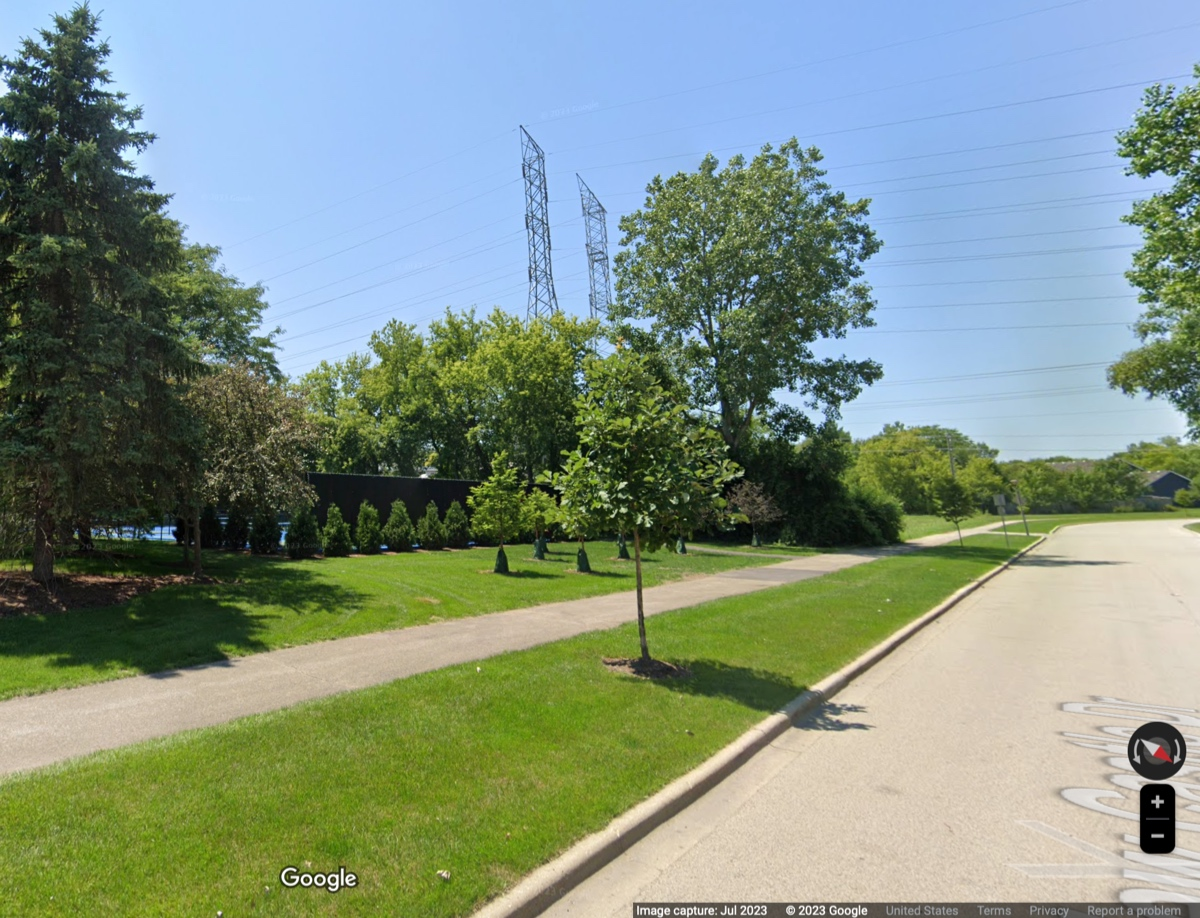
LIBERTYVILLE, IL — Residents living in a neighborhood directly across from Paul Neal Park — where four pickleball courts were recently installed — are calling on the village to do something about the incessant noise.
James Hughes, who lives directly across from the courts at 1038 New Castle Drive, said the sound from pickleball matches has woken his daughter up in the morning and affected his family's quality of life.
"Libertyville should have pickleball courts, I agree, but they should not have them 100 feet from my property line," Hughes told the village board during a meeting in June.
Find out what's happening in Libertyvillefor free with the latest updates from Patch.
He said the type of noise that comes from pickleball play is non-stop and affects his daily life. He works from home and says only enjoys peace and quiet when it's raining.
Alex Schubow, HOA president for the Wineberry neighborhood, called on the village to do something about the noise, which he said can be heard up to four blocks away from the pickleball courts at Paul Neal Park, 1251 New Castle Drive, Libertyville.
Find out what's happening in Libertyvillefor free with the latest updates from Patch.
"Pickleball noise travels for blocks in every direction," he said during the June 13 meeting. "This noise radiates and echoes in all directions."
By early July, village officials took some measures to address the issue by putting up signs that note the hours of play for pickleball at the park run from 8 a.m. to 8 p.m. They have also restricted parking on the south side of New Castle Drive and installed some landscaping in the area.
"We are vetting different options right now and one that we are pursuing the most right now, that seems to be working for other communities, is a type of sound panel, and so I am looking into that to make sure that is the right application for us and extending that not only on the north fence right now but also on the 10-foot section that is on the east side of the courts."
He said fall soccer practices and pickleball instructional classes have been moved from Paul Neal Park to help cut down on the traffic and parking issues.
"We are continuing to try and keep the usage of that park at a manageable level," he said.
LaPorte attended a National Park and Recreation Association webinar with park and recreation professionals from around the country and discussed how other communities are handling noise complaints associated with pickle ball.
LaPorte also visited several pickleball courts in various metro Chicago communities, researched case studies on pickle ball sound mitigation, joined Facebook groups on pickleball noise complaints to search for solutions and met with residents and pickle ball players to discuss the issue.
Staff is researching the use of "sound absorbing panels," which are used to combat noise issues at other pickle ball courts, at Paul Neal Park. Currently, the park has "sound reflecting panels," according to village documents. They are also measuring the noise decibel level during peak play and during times when pickleball is not being played and ordering "paddle mufflers to be tested and evaluated by pickleball players.
The goal is to reduce the pickle ball noise level by 10 to 15 decibels, which should be a level equal to the ambient noise measured in most residential neighborhoods, according to village documents.
"Pickleball noise has become a common problem in communities around the country. Pickleball noise results from the high pitch sounds resulting from the contact the hard plastic ball makes when struck by the paddle. Today, paddles are made of a variety of materials, mainly consisting of carbon fiber, wood, plastic, or fiber glass; and balls are made of a hard plastic," LaPorte noted in his memo to the village board. "Most paddles commonly used will result in the higher pitch sounds, although there are some lower sound- producing paddles available. Changing equipment would help lead to a solution. The challenge with requiring lower sound producing paddles and balls lies in the difficulty of enforcement. In addition, once a player has made the expensive investment in a paddle it is difficult to get them to make another investment for a single court scenario like Paul Neal Park."
Get more local news delivered straight to your inbox. Sign up for free Patch newsletters and alerts.