By David Rutter
We were strangers in a strange moment.
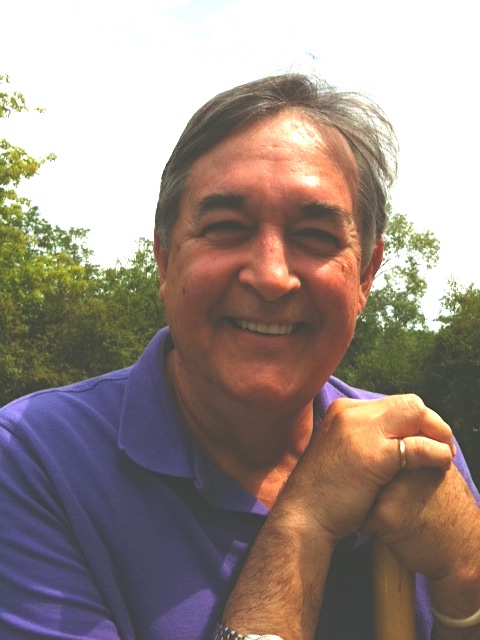
I was a white, middle-age, middle-class guy.
She was a black mother with her young son in tow.
Find out what's happening in Libertyvillefor free with the latest updates from Patch.
This is what America has become, and if I wanted to blame the terrorist attack for all that’s uneasy in our country now, maybe that’s as good a place to start as any. But the explanation seems somehow thin and unrewarding.
Anyway, it was a bad day for us. I was grumpy as usual. Her day was worse.
Find out what's happening in Libertyvillefor free with the latest updates from Patch.
Our lives barely glanced at the McDonald’s.
Her Jeep Cherokee had gone metaphorically belly up at the intersection near the fast food joint. The hood was up in the international symbol of vehicular surrender, the blinkers flashing.
She and her son had come across the street to seek solace and escape the traffic.
As she walked past me in the restaurant, I looked up at her and asked: “Can I give you a ride somewhere?”
Let’s get one thing straight. My offer was not meant to be a profound handshake across the cultural abyss. When I see someone stuck on the road, I usually offer to help because we’ve all been snagged in that muck of mechanical paralysis. When your life and your car malfunction at the same time, the least the universe should offer is a helpful bystander.
You always hope someone offers, even if it’s merely the human moment of a shared problem. It’s one of the things I learned from my father without knowing it was education. He always stopped to help.
Because he was adept in matters of internal combustion engines, his offer actually meant more than camaraderie.
Who knows. One of these days, I might actually do something that would be of value.
When I asked the mom if I might help, her eyes widened and she took a quick in-breath. I recognized that look immediately. She was taken back, maybe a little apprehensive that a stranger, a white stranger at that, would speak to her.
I almost held my breath with her. We were suspended in a second when almost anything might happen. Was this a moment that would go well, or somehow take a left turn down a grim alley? Had I crossed some invisible line where my motives were somehow suspect? Perhaps I frowned when I meant to smile gently. Sometimes I do that without knowing.
Had her life left her unprepared to expect a white stranger to be generous? Maybe I simply had been inadvertently awkward as middle-age white guys often are in matters of race.
And then her eyes softened.
She almost smiled. I exhaled.
No, she said softly, someone is coming to help, but thanks anyway. Then she did smile.
She walked away to buy breakfast for her son.
I thought about the moment for a long time.
This is where we have landed as a nation, growing ever more apart and distant in our lives and, it seems to me, more incapable of curing suspicion and intolerance.
We are more afraid.
Maybe we’ve always been strangers without a way to end the strangeness. Did we ever think proudly of ourselves as a nation of spicy, cultural gumbo? Really? Or was that just a McGuffey’s Reader homily meant to comfort us with false, self-righteous civic piety?
I don’t know.
But the black mom with the young son smiled back at my offer.
It was just one moment. I’m glad she did.