
With Chicago in the middle of the longest stretch of subzero temperatures the city has seen since the 1990s, the state is urging people to check in on their friends and neighbors to make sure they are alright.
However, many people do not understand why older adults are far more vulnerable than most when the temperature drops, nor do they understand all the ways we can help older people stay safe in cold weather.
Extreme, prolonged cold can impact the elderly in many ways, including:
Find out what's happening in Lincoln Squarefor free with the latest updates from Patch.
Increased risk of stroke and heart attack. Extreme cold can cause arteries to constrict and can raise blood pressure, which results in an increased risk of heart attack and stroke. People are 26 percent more likely to die of heart-related issues in winter than in summer.
Increased risk of hypothermia. As we grow older, we become less sensitive to cold, so elderly people often fail to realize they have hypothermia until long after symptoms occur.
Find out what's happening in Lincoln Squarefor free with the latest updates from Patch.
Decreased access to food and medication. Many elderly people are unable to get out of their homes in extreme cold weather due to mobility issues, which means they may run low on food or essential medication.
Increased danger for wanderers with dementia. Those with Alzheimer's and other dementias are always at risk of wandering away from home, but wandering becomes far more dangerous during extreme cold weather.
At Chicagoland Methodist Senior Services, we advise those who are concerned about a friend or family member to do more than just drop by.
Here are some ways you can help:
Conduct a well-being check. Asking your loved one several simple questions about their health can make your cold weather visit more productive. Ask them if they’ve been feeling any new aches, pains or shortness of breath, or have experienced confusion or excessive fatigue in the last few days. These symptoms can be warning signs of a cold-related condition, and concerned parties should seek medical help promptly.
Check the heating system. Many people set their thermostats to decrease the indoor temperature during the night. Check the programming on the thermostat to make sure that the overnight temperature is set to a reasonable level. For most seniors, indoor temperatures should be kept no lower than 70 degrees.
Take stock of food and medication. When temperatures drop for days at a time, many people are unable to leave their homes. This could result in them running out of food or necessary medication. When you stop by, take a peek the pantry and fridge to make sure your loved one has enough food to last for at least a few days’ time, and check medication supplies to confirm that prescriptions are not running low.
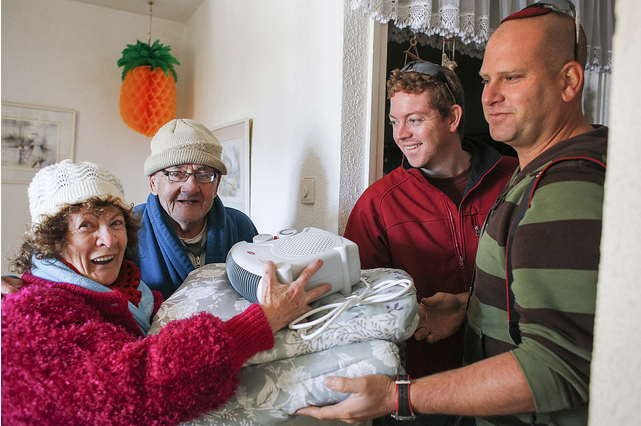
Provide an emergency kit. Is your loved one prepared if the heat or electricity were to go out during a cold snap? Prepare an emergency kit stocked with cold weather items, including a battery operated heater, lanterns and flashlights as well as hand and foot warmers.
Install devices to deter wandering. If the elderly person you care about has Alzheimer’s or another dementia, their tendency to wander out into the cold might be a key concern. Devices like mattress pads and confounding locks can decrease risk by alerting caregivers when a loved one is beginning to wander. You can find a variety of helpful devices at the Alzheimer’s Store.
Protecting our city’s senior population is an important task that we can all stand to improve at this winter. What are you doing to protect the older people you care about?
About Sandra Crasko
Sandra is the Vice President of Community Services for Chicagoland Methodist Senior Services (CMSS), the most extensive network of senior services on Chicago’s north side. She is a Licensed Nursing Home Administrator and has a Masters in Public Health. Sandra’s work is devoted to bringing communities together to support a successful aging process for Chicago-area residents.
Photo credit International Fellowship of Christians and Jews via Flickr/Creative Commons