Health & Fitness
Edward-Elmhurst Health: How to eat a clean diet
Shifting from processed menus toward a clean diet of minimally-processed food can bring a big change in the way people look and feel.
Processed food is easy to prepare, enticingly convenient — and so unhealthy.
Shifting from processed menus toward a clean diet of minimally-processed food can bring a big change in the way people look and feel.
What is clean eating?
Find out what's happening in Napervillefor free with the latest updates from Patch.
- Choosing foods that have been minimally processed
- Eating a variety of foods
- Eating a balance of food groups, including proteins, fruits, vegetables, whole grains, nuts and seeds, and dairy or dairy alternatives
- When possible, eating local, seasonal foods
- Choosing foods that are good for your body and the planet
Why should people eat clean?
People who eat a Western diet of processed foods and meats with lots of added fat, sugar and refined grains have increased rates of diabetes, cancer, heart disease and obesity.
Find out what's happening in Napervillefor free with the latest updates from Patch.
Populations eating a wide range of traditional diets don’t suffer from high rates of these diseases. Diets can range from high fat (Inuits in Greenland who eat seal blubber) to high carbohydrate (South Americans who eat corn, beans and rice).
How do people feel when they eat clean?
- Energized. People who eat healthfully have an even energy level throughout the day.
- Positive. Studies have shown that eating less processed foods reduces depression.
- Calm. Eating a healthy diet reduces irritability and anxiety.
- Full.
- Healthy. Clean eating reduces inflammation which improves health.
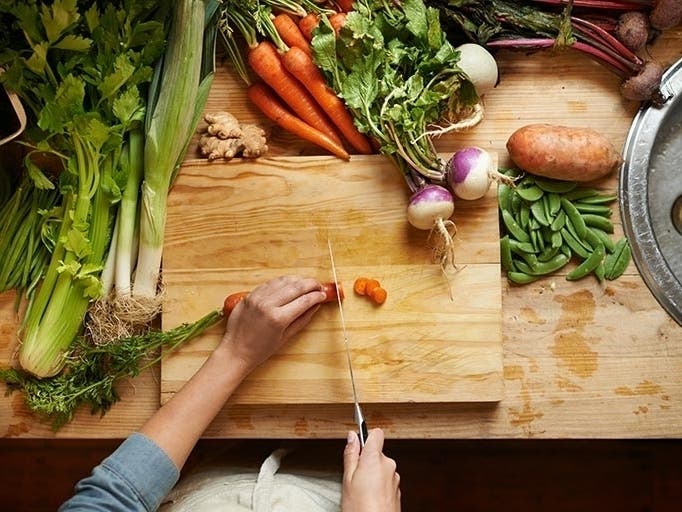
Fruit and veggies: The core of a healthy diet
Fruits and vegetables contain antioxidants — vitamins, minerals and other compounds in foods that may help protect against chronic disease.
Antioxidants work by protecting cells from damage from oxygen. In this way, antioxidants have anti-inflammatory properties.
How to start eating clean
Meal planning is the key to avoiding a last-minute fast-food or processed dinner run. Schedule time to plan meals for the week and make a grocery list. Shop and prep as much ahead of time as possible. This will also save time when it comes to whipping up a weeknight dinner or a quick, healthy breakfast.
Some other points to consider:
- Produce loses some of its nutritional value after it’s picked. It’s best to buy freshly harvested, local produce in the spring, fall and summer. This is also better for the environment.
- Consider joining a Community Supported Agriculture co-op.
- Frozen produce is flash frozen and retains most of its nutritional value.
- Hydroponic indoor gardening is becoming popular and is a great choice when buying produce in the winter.
When buying meat, poultry or dairy:
- Choose organic if it is available and budget allows.
- Choose antibiotic- and growth hormone-free if organic proteins are not in the budget or unavailable. The USDA requires documentation that these standards followed.
- Choose 100 percent grass-fed meats. Grass-fed meat is healthier than meat from animals fed grain and raised in a confined space. Meat from grass-fed animals has less saturated fat and more omega-3 fats. Only 100 percent grass-fed meats are verified by the USDA.
- Watch for "natural." This term refers to what was not added to meats. It usually refers to processed meats. It means the food is free of artificial flavors, sweeteners and preservatives. It does not refer to how the meat was raised.
- The terms "free-range" or "cage-free" eggs are not regulated by the USDA.
Consult with a doctor or dietitian for a recommended eating plan that works best for you.
Get more information at EEHealth.org.