Health & Fitness
EEH: Dealing with mood swings after cancer treatment
Just like a cancer diagnosis can bring on a variety of emotions, the end of cancer treatment can affect emotions in other ways.
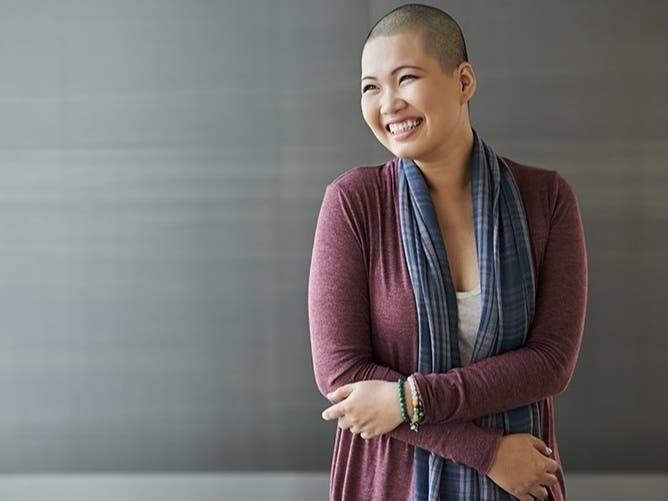
Just like a cancer diagnosis can bring on a variety of emotions, the end of cancer treatment can affect emotions in other ways.
People go from being intensely focused on treatment and trying to beat the disease, to trying to figure out a “new normal” once treatment is over.
Adjusting to this new reality after cancer can bring all sorts of emotions. Some people experience depression or anxiety. Others deal with intense mood swings. Some may even have personality changes.
Find out what's happening in Napervillefor free with the latest updates from Patch.
While strong emotions are often expected during treatment, they can be more difficult to recognize or accept once treatment is complete.
These are common symptoms of cancer-related mood changes, provided by the National Comprehensive Cancer Network:
Find out what's happening in Napervillefor free with the latest updates from Patch.
- Feeling down or depressed
- Difficulty concentrating and remembering
- Loss of sexual interest or problems with sexual performance
- Irritability
- Changing emotions (sudden crying or anger)
- Loss of interest in activities, social events and socializing
- Changes in sleep (insomnia or excessive sleeping)
- Changes in appetite (overeating or loss of appetite)
- Loss of energy and motivation
- Fatigue
- Feelings of hopelessness or worthlessness
- A feeling that life is not worth living, suicidal thoughts
- Anxiety
- Increasing interest in alcohol
- Frequent or excessive worry, unease or fear
- Upset stomach or other physical symptoms
- Panic attacks
Anyone concerned that mood changes are getting in the way of daily life should talk to their doctor. A doctor can help recommend support groups or other avenues for assistance.
People can also manage mood swings by:
- Identifying and avoiding sources of stress that cause changes in mood
- Exercising to help relieve stress, focus energy and balance emotions
- Getting plenty of rest
- Eating healthy snacks and small meals throughout the day
- Considering complementary and holistic techniques such as yoga, meditation, massage or acupuncture
- Talking about emotions with friends, a counselor or your doctor
Edward-Elmhurst Health offers a Cancer Survivorship Clinic to assist with the transition from active treatment to cancer survivor. Get more information at EEHealth.org/services/cancer/support-services/cancer-survivorship-clinic.