Health & Fitness
EEH: Why people need a bivalent COVID-19 vaccine booster
Updated bivalent COVID-19 boosters are now available.
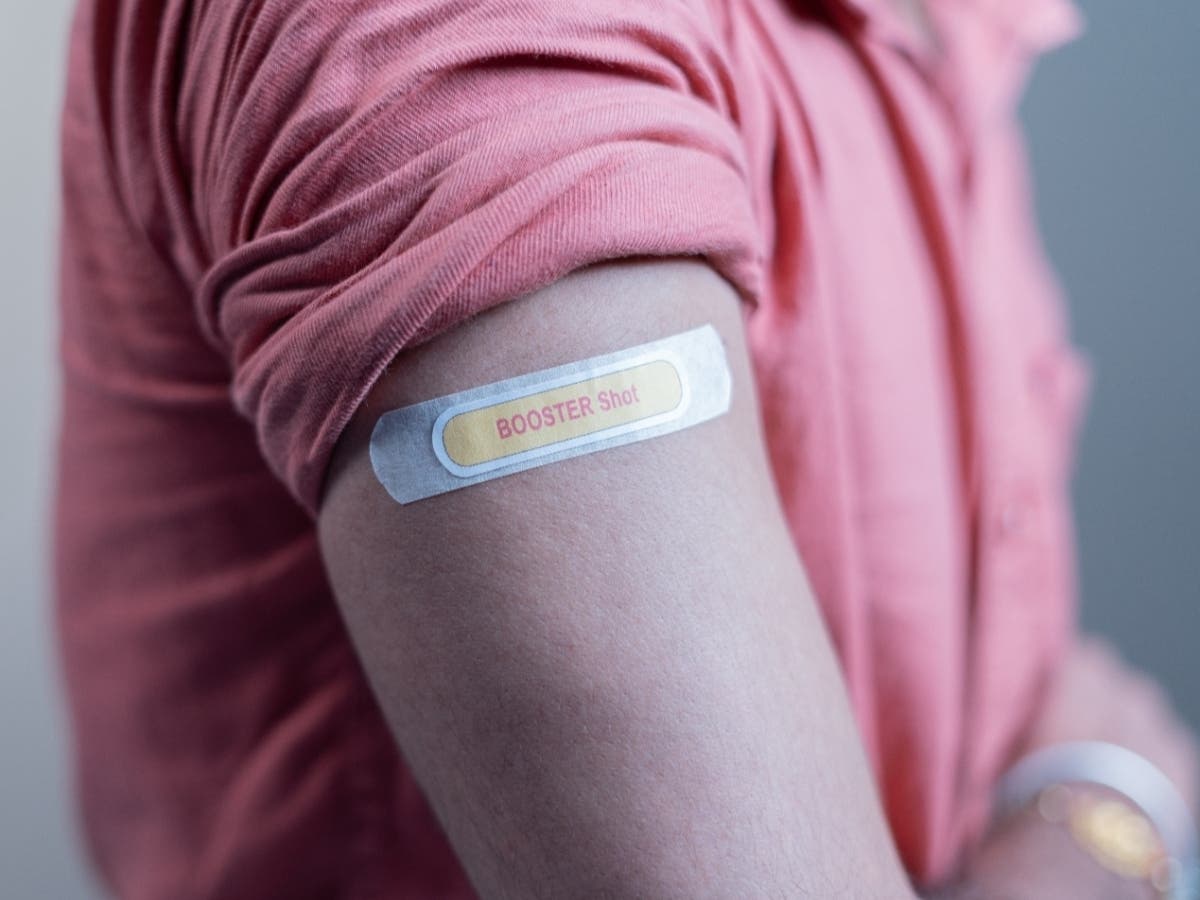
Since early 2020, coronavirus variants have evolved that are better able to escape immunity from past infection or vaccination. This has prompted updates to the COVID-19 boosters that better match the components of the vaccine with the circulating omicron subvariants. Updated bivalent COVID-19 boosters are now available.
How well did the original vaccines work to protect against COVID-19?
The original Pfizer-BioNTech and Moderna mRNA vaccines targeted the spike protein from the ancestral strain of SARS-COV-2. Vaccine efficacy was 95% against the early variants that circulated in 2020 and early 2021. The effectiveness declined slightly with the emergence of the delta variant in the summer of 2021.
Find out what's happening in Napervillefor free with the latest updates from Patch.
“A major shift occurred at the end of 2021 with the emergence of the omicron BA1 variant,” says Jonathan Pinsky, M.D., medical director of infection control at Edward Hospital. “The omicron variants contain more than 30 mutations on the spike protein, 15 on the receptor-binding domain.”
The cross protection against omicron BA1 afforded from past vaccination was still better than being unvaccinated: 30% higher effectiveness without a booster, 80% higher with a booster, and more than 90% vaccine effectiveness when counting COVID-19 hospitalizations only.
Find out what's happening in Napervillefor free with the latest updates from Patch.
Since February 2022, omicron subvariants have emerged, most recently the BA4 and BA5 variants. BA4 and BA5 are significantly more immune evasive, even against past infection with omicron BA1. BA4 and BA5 have been circulating as the predominant variants throughout the summer of 2022.
How did the monovalent (original) boosters improve protection?
After a COVID-19 booster, the spike protein is reintroduced to immune cells, leading to an increased repertoire of antibodies that are higher quality and attach better to targets on the spike protein. Even though the original vaccine only partially matched the omicron variant, a booster of the original vaccine improved vaccine effectiveness to 80% against the omicron variant. As the level of protection diminished after several months, a second booster was found to restore protection for older adults and have a profound effect on reducing COVID-19 hospitalizations.
How is the updated bivalent booster expected to work better?
Instead of just relying on the cross protection from what is still in common between the original variant and the omicron variant, the updated bivalent boosters also provide direct protection against a host of new antigens unique to the BA4 and BA5 spike protein.
The updated boosters made by Pfizer BioNTech and Moderna contain the same mRNA as the original vaccine as well as mRNA shared by the BA4 and BA5 spike protein. With BA4 and BA5 currently circulating, there is a direct match with the updated bivalent booster and the currently circulating virus. With ongoing evolution of omicron subvariants, the updated bivalent booster may still be a better match to other omicron subvariants as well as previous variants, than the monovalent vaccine.
The original COVID-19 vaccine will still be used for the primary series, and for boosters in children ages 5-11 years, but will no longer be used as a booster for those ages 12 years and older.
Will the updated bivalent booster be a yearly booster, just like the influenza vaccines?
Influenza vaccines are updated yearly to match recent strains and administered in the fall to provide immune protection through the winter while influenza is circulating.
“The updated bivalent COVID-19 boosters given now should provide maximum protection through the fall and winter months when there may be a higher level of virus transmission,” says Pinsky. “Yearly updated COVID-19 vaccines may be needed to restore waning immunity and to match the vaccine components to circulating variants.”
Who can get the updated bivalent boosters?
Adults and children ages 12 years and older can get an updated (bivalent) COVID-19 booster if the following eligibility criteria is met:
- They completed a primary vaccine series of any COVID-19 vaccine more than two months ago – had no boosters or had one or more boosters more than two months ago
- Pfizer-BioNTech bivalent booster is authorized for adults and children ages 12 years and older
- Moderna bivalent booster is authorized for adults ages 18 years and older
Even people who have received two previous monovalent boosters are eligible to receive the bivalent booster if it has been more than two months since their last shot.
If someone is vaccinated and had COVID-19 recently, how long should they wait to get a bivalent booster?
There is no minimum waiting period to get a booster after your infection resolves. Hybrid immunity from a combination of vaccination and infection makes the chance of re-infection low for the first few months. But after three months the risk of re-infection starts to increase due to a combination of waning immunity and evolving immune evasive variants. Waiting a few months may provide a more robust immune response as well as better protection into the spring and summer when immunity may be waning.
Learn more at EEHealth.org/coronavirus.