Health & Fitness
Does Shoveling Snow Give You an Aching Back?
The Rehabilitation Institute of Chicago at Silver Cross Hospital offers free low back pain screenings in January.

By Tracy Simons | Silver Cross Hospital
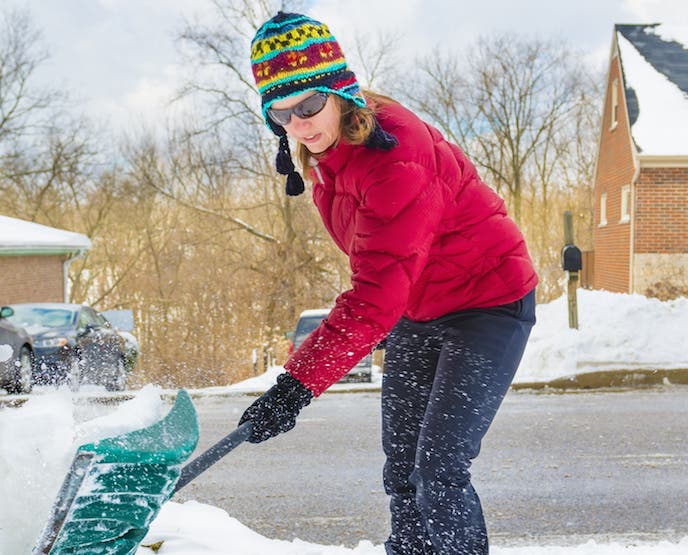
When the first snowfall occurred last month, it was exciting to watch the glistening, white flakes float through the air. Since then our delight to witness the season’s first snowfall may have faded with the chore of having to shovel snow.
One sure sign that you may be tired of snow is that your back aches each time you shovel. Since shoveling snow remains a frequent cause of back injuries, The Rehabilitation Institute of Chicago (RIC) at Silver Cross Hospital is offering free low back screenings to assist area residents eliminate back pain while enduring another snowfall.
Find out what's happening in New Lenoxfor free with the latest updates from Patch.
[ A Sponsored Feature by Silver Cross Hospital ]
Participants experiencing aches, pain, spasm, stiffness or weakness of the lower back will receive a complimentary screening and treatment recommendation by a RIC at Silver Cross physical therapist. Screenings will take place:
Find out what's happening in New Lenoxfor free with the latest updates from Patch.
- Wednesday, January 13 at The Rehabilitation Institute of Chicago (RIC), Silver Cross Professional Building, 1051 Essington Rd., Joliet, (815) 300-6580
- Tuesday, January 19 at The Rehabilitation Institute of Chicago (RIC) at Silver Cross, 12701 West 143rd St.,Homer Glen, (815) 300-6288
- Wednesday, January 20 at The Rehabilitation Institute of Chicago, 250 E. Maple St., New Lenox, (815) 300-6123
Call to schedule an appointment at a convenient location.
Tips To Avoid a Snow-Shoveling Injury
According to the U.S. Consumer Product Safety Commission, last year more than 200,000 people were treated in hospital emergency rooms for injuries that happened while shoveling or removing ice and snow manually. Each year in the United States snow shoveling causes thousands of muscle sprains, broken bones, hurt backs, head injuries, and even deadly heart attacks.
“Since snow shoveling causes many back injuries, we feel offering the free back pain screenings will help many area residents find relief from their pain and hopefully learn how to avoid any further injuries,” said Valerie Paluszak, Manager of Outpatient Rehabilitation for The Rehabilitation Institute of Chicago at Silver Cross Hospital.
To avoid a snow-shoveling injury follow these simple tips from the American Academy of Orthopaedic Surgeons:
- Check with your doctor if you have any medical problems. Clearing snow places a great deal of stress on the heart--so if you have a medical condition or do not exercise regularly, you should speak with your doctor before shoveling or snow blowing. You may also wish to consider hiring someone to remove the snow, rather than doing it yourself.
- Warm up your muscles with light stretching exercises for 10 minutes.
- Pace yourself and take frequent breaks. Don’t shovel more than 30 to 60 minutes, just like you would during a regular exercise session. Take frequent breaks and prevent dehydration by drinking plenty of fluids. If you experience chest pain, shortness of breath, or other signs of a heart attack, stop the activity and seek emergency care.
- Proper equipment. Use a snow shovel with a pole that is longer, adjustable, and curved to decrease the amount of bending needed to lower your risk of muscle injury. More user-friendly shovels are typically made of lighter materials such as plastic or lightweight aluminum.
- Proper lifting. Try to push the snow instead of lifting it. If you must lift, squat with your legs apart, knees bent, and back straight. Lift with your legs. Do not bend at the waist.
- Safe technique. Do not throw the snow over your shoulder or to the side. This requires a twisting motion that stresses your back.
- Dress appropriately by wearing slip-resistant shoes and light, layered, water repellent clothing that provides both ventilation and insulation.
- Shovel often. The amount of snow that has to be removed is less and then lighter.