Politics & Government
Mother Nature: Is That All You've Got?
Two-thirds into the year, village department heads tally the effects of the weather-related challenges.
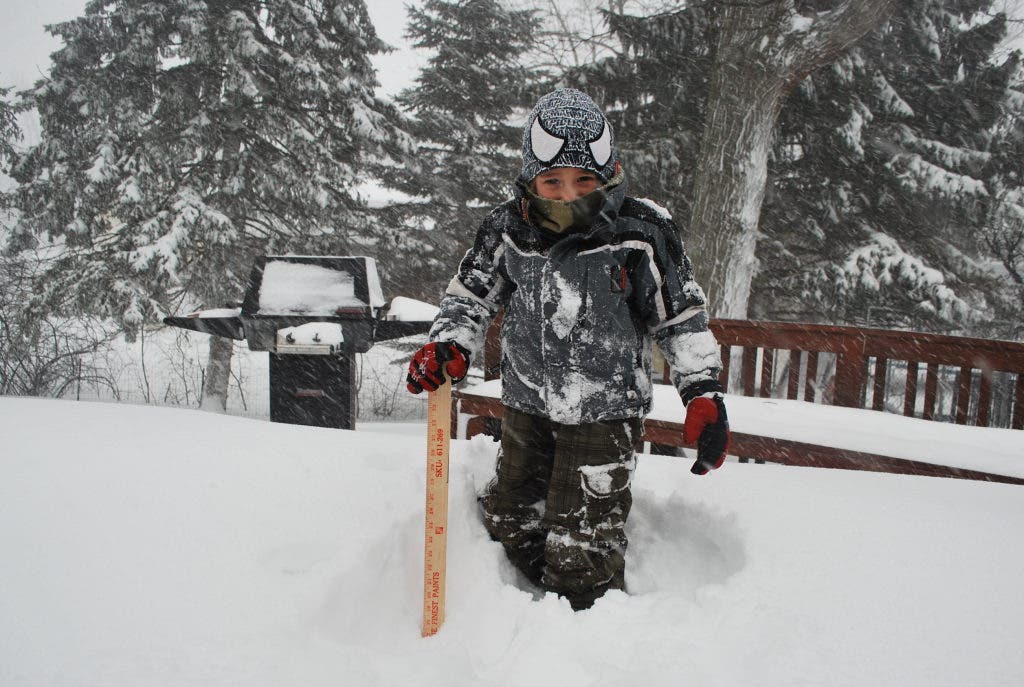


There are still four months left in 2011, but Northbrook residents have already been blasted with extreme weather of all sorts.
A dumped nearly two feet of snow, a recent thunderstorm delivered , and several storms brought winds so strong they shredded trees and throughout the area.
Mail went undelivered. Homeowners , and plagued many areas. But for those whose jobs it is to keep Northbrook up and running, if not neat and tidy, the task has been merely to keep up with Mother Nature. And it's been no easy feat.
Find out what's happening in Northbrookfor free with the latest updates from Patch.
“The past three or four winters have been more severe in terms of overall snowfall events, requiring us to use more deicing materials, plow parts and overtime labor hours,” General Operations Superintendent Paul Risinger wrote in an e-mail.
However, this is the first summer that the village has had significant tree damage since the microburst of 2000, he noted.
Find out what's happening in Northbrookfor free with the latest updates from Patch.
The full extent of that damage, which was caused by back-to-back storms, took several weeks to tally. In the end, Public Works crews picked up branches and downed trees at more than 3,800 locations, and are continuing to remove and trim damaged trees six weeks later.
The storms, the wind and the rain, in particular, have also challenged the resources of the , according to Ed Dalton, director of parks and properties.
As of last week, the Park District had filed four insurance claims so far this year, including one Dalton suspects will likely be the costliest claim in village history. It is the result of more than four feet of water flooding the basement at the . On average, the park agency files a single claim every one to two years, he noted.
On the positive side, the destruction from this year’s storms led to a successful exercise in interdepartmental cooperation. Pooling village resources, the Park District lent its tree chipper to the Public Works Department so the latter, which had significantly more tree damage to contend with than normal, could clean up the village faster.
The village also rented a tub grinder to more efficiently process the massive amount of tree limbs torn loose by the severe winds of the storm in June. During that time, Park District crews hauled wood from trees damaged in area parks to the Public Works Department, which processed the downed limbs in its lot.
According to Dalton, that teamwork among departments helped save Northbrook taxpayers money.
To deal with this year’s extraordinary weather related challenges, village crews also pulled out seldom seen equipment, which included the Public Works Department deployed in February its massive , which had been mothballed since the blizzard of 1999. The snow remover was called into action after the Feb. 1 blizzard that dumped nearly two feet of snow in the Chicago area.
As for the longer-term effects from 2011’s weather events, the record rains of July 23 generated regarding how to improve drainage and prevent flooding, according to Risinger. Public Works crews have remained busy following up on those drainage investigations, and village administrators promise is on its way.
The village is waiting on a response from the Federal Emergency Management Agency to claims that area municipalities filed in the wake of the blizzard.
The time that Public Works crews have spent reacting to storms means that other programs and routine services have fallen behind schedule, according to Risinger.
“Typically, when a severe weather event occurs, it's all hands on deck until the emergency is over and crews can get back to their normal duties,” he explained.
Going into fall, Dalton and Risinger are just hoping the weather cuts Northbrook a break.
“For the balance of the year, I hope that we are spared any more major weather events,” Risinger said. “The fall is typically a very busy time for crews making road, sewer, water and other infrastructure repairs before winter hits.
"We don't need the extra work but will remain prepared nonetheless,” he added.