Sports
High School Hockey Players Line Up For Concussion Testing
Research on head injuries in sports is moving forward, and area youth hockey organizations are employing new programs to help hockey players prevent serious damage--including one sponsored by the Blackhawks.

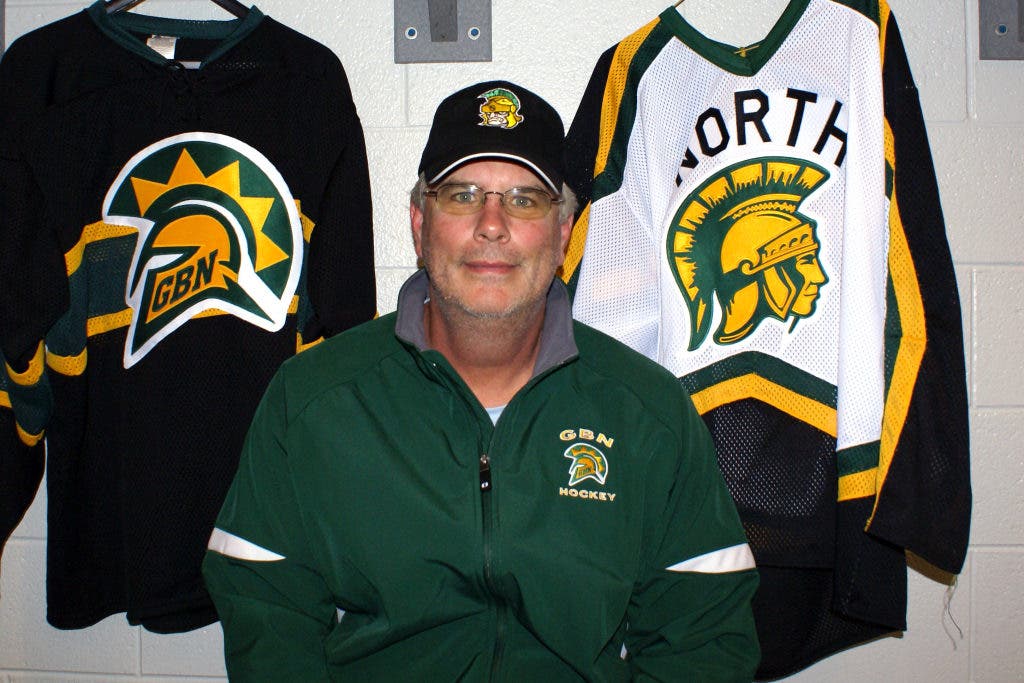
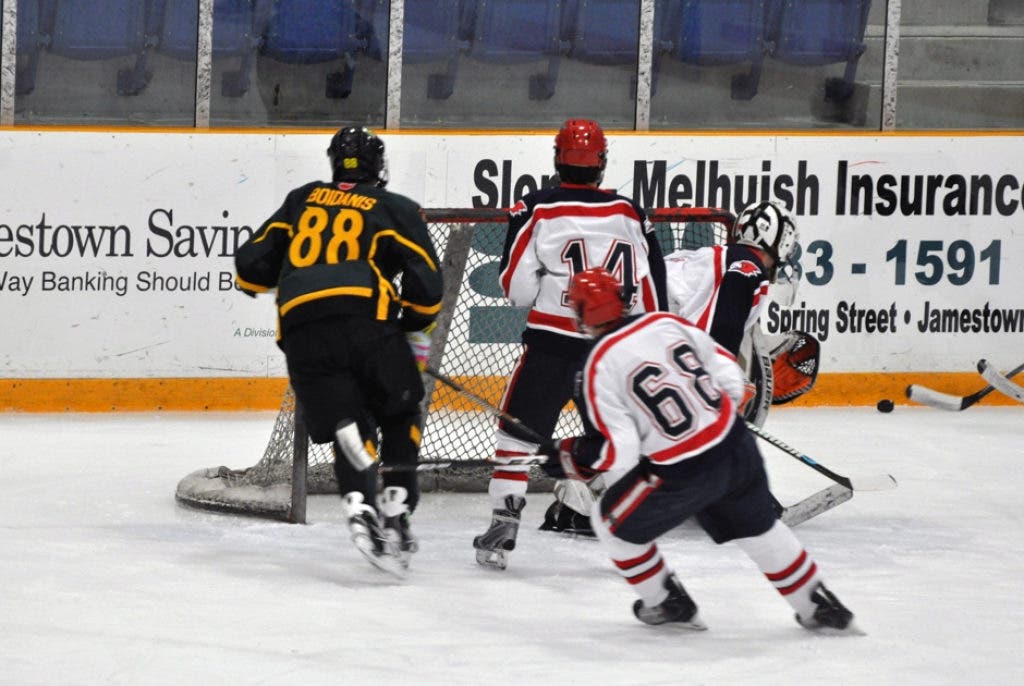
Like a player on a breakaway rush toward the goaltender, Glenbrook North’s club hockey program dashed ahead of a new cooperative program between the Chicago Blackhawks and area medical clinics to provide free baseline testing on concussions symptoms for teen-age players.
When the Blackhawks and the Midwest Center for Concussion Care, which has an office at Lutheran General Hospital, announced their free program for all players 13 to 18 in late October, the Glenbrook North teams already had begun filing into the high school for the concussion-symptoms testing costing $25 per player.
But the fact the 2010 Stanley Cup champions are trying to help shed light on the concussion issue drew praise from Glenbrook North team officials – and a vow of participation in the Hawks’ program from their arch-rivals at ’s hockey club.
Find out what's happening in Northbrookfor free with the latest updates from Patch.
The latter program originally opted for paid testing at the Illinois Bone and Joint Institute in Morton Grove. However, when the Hawks program -- administered at outlets in Glenview and surrounding suburbs – was unveiled, Glenbrook South switched from the first plan.
Football, hockey injuries bring issue to light
Find out what's happening in Northbrookfor free with the latest updates from Patch.
The issue of concussions had flamed hot during 2011 with studies revealing of long-term brain injuries to pro football players. Head injuries in hockey also came under scrutiny, especially with a lingering injury to Pittsburgh Penguins superstar Sidney Crosby. The issue filtered down to the youth level, with Glenbrook North’s hockey program taking the lead independently of any NHL team-backed system.
High-school hockey teams are not part of interscholastic sports. They are “club” programs with athletes from individual schools that take the institution’s name. Unlike high-school athletes in football, soccer, field hockey and other sports, they typically have to arrange for the concussion testing independently of the schools.
However, Glenbrook North’s governing body, running the final competitive level for a 400-player program that starts at age 3, wanted a closer relationship with the high school. They arranged for the testing with Glenbrook North athletic trainer Tom O’Connell.
“We did it in September,” said Debbie Abramson, in charge of the Glenbrook North team’s safety committee. “We did not have one complaint from a parent. New Trier does the same thing and does it at the Illinois Bone and Joint Institute. It’s kind of nice, because some players already had baselines at the school (in other sports). We’ll have baseline testing regularly.
“I was impressed that they (Hawks and concussion center) are taking the step to do it. But we need to be proactive. We felt it was our responsibility. We were surprisingly ahead of the bandwagon.”
Glenbrook South opts for free program
Glenbrook South’s two-team organization felt they were right behind their rivals. But when they heard of the Hawks-sponsored program, they opted to go in that direction instead of the $25-per-player charge at the Illinois Bone and Joint Institute.”
“We strongly recommended it,” said John Washburn, GBS team president. “I want to see it done that way. We’re discussing this again at our next board meeting. On our varsity at least half have already been tested, having played other (interscholastic) sport. I think it’s very important, a great step.”
A number of coaches and team representatives, including GBS’ Lindsey Pomeroy, in charge of the concussion testing arrangements along with rules and ethics, attended an Oct. 27 informational meeting. Neuropsychologist Elizabeth Pieroth, who put the testing program together after garnering the Hawks’ support, lectured on concussion symptoms.
Pieroth founded the concussion center 3 ½ years ago. She partners with neurosurgeon Shaun O’Leary, who has treated concussion patients, at Lutheran General, while consults with the Hawks on their own concussion issues. Pieroth modeled the Hawks-sponsored program after a cooperative arrangement between the Pittsburgh Penguins and the University of Pittsburgh called “Heads Up.”
Test focuses on memory, processing information
“We assess what pre-morbid functioning levels are so if they do get concussed, you re-evaluate them,” Pieroth said. “We compare post-injury testing to (pre-injury) baseline testing to see if there’s indication of impairment coming from injuries.
“The test looks at memory, verbal and visual stimuli; attention and information-processing speed; the idea of taking information in, making a decision and responding to it, which is really key in sports that are fast-moving like hockey. We looks at pure reaction time, which is motor (skills).”
The test can be administered to athletes as young as 12, but Pieroth opted to start at 13, the minimum age for “bantam” play in youth hockey. High-school players perform at the “midget” level. A baseline test for younger players in the experimental, or “beta” stage, Pieroth said.
Experienced coaches who have a checklist for concussion symptoms now will have additional information from the baseline tests.
“My situation is just sit them down, constantly talk to them,” said Rich Blakey, Glenbrook North junior-varsity coach who doubles as hockey director of the feeder Northbrook Bluehawks program. “The initial questions: what time is it in the game, what period are we in, what’s the score? I’ve had guys come off not knowing what day of the week it is.”
Sarah Lanphere, goalie on the Glenbrook Girls Hockey Team, endorsed a similar baseline test she took that was required to play field hockey at Glenbrook South. She believed girls players also need to take the test with concussions occurring in their games, where checking is banned, but hard contact and falls still are commonplace.
“It wasn’t hard at all,” Lanphere said. “It was common sense. It was definitely (oriented toward) how fast you had motor skills. It’s really smart to do it. In our last game, someone sat on my stick, and I got pushed into the net. I’d recommend it for everyone.”
Any member of the Amateur Hockey Association of Illinois can sign up for testing online on the Hawks' website.