Business & Tech
Marathon Pharmaceuticals 'Pauses' Release Of $89,000 Drug
After outrage from the public and members of Congress, Marathon CEO announces a rethink of a new price for an existing drug.


NORTHBROOK, IL — Marathon Pharmaceuticals announced Monday it has put its 6,000 percent price hike of a decades-old drug on hold after an outcry from the public and lawmakers.
Marathon CEO Jeff Aronin promised the drug would continue to be available while the company reviewed concerns and paused its "commercialization efforts."
Earlier in the day, Rep. Elijah Cummings, a Democrat from Maryland, and Sen. Bernie Sanders, an Independent from Vermont, sent a letter to Marathon asking for information about how the company set its price for the drug.
Find out what's happening in Northbrookfor free with the latest updates from Patch.
“Marathon’s apparent abuse of government-granted exclusivity periods and incentives to sell what should be a widely available drug for $89,000 a year is unconscionable,” Sanders and Cummings wrote in the letter. “Exorbitantly pricing potentially life-saving medications that should be widely available for a fraction of the price hinders patient access and drives up costs for the entire health care sector.”
The drug, Emflaza, was approved last week by the FDA to treat Duchenne muscular dystrophy, a rare genetic disorder that causes progressive muscle deterioration and weakness.
Find out what's happening in Northbrookfor free with the latest updates from Patch.
Northbrook, Illinois-based Marathon benefited from an incentive that provides regulatory benefits to companies developing new drugs for rare diseases, even though Emflaza had been available for years abroad under the generic name deflazacort.
Marathon did not develop deflazacort, but it did pay to move the process through the FDA's approval process, which would make the drug "available to a much broader set of patients," Aronin said.
“We believe Marathon is abusing our nation’s ‘orphan drug’ program, which grants companies seven years of market exclusivity to encourage research into new treatments for rare diseases – not to provide companies like Marathon with lucrative market exclusivity rights for drugs that have been available for decades,” Sanders and Cummings wrote.
In the company's statement, Aronin promised anyone who needs the medicine will continue to receive it and the company would "continue the discussion on pricing and access" until the people understand how the cost of drug directly impacts revenue available for new research.
"The resources we invested were substantial and we don’t expect to recoup our investment for several years, and we have only seven years of market exclusivity," Aronin wrote.
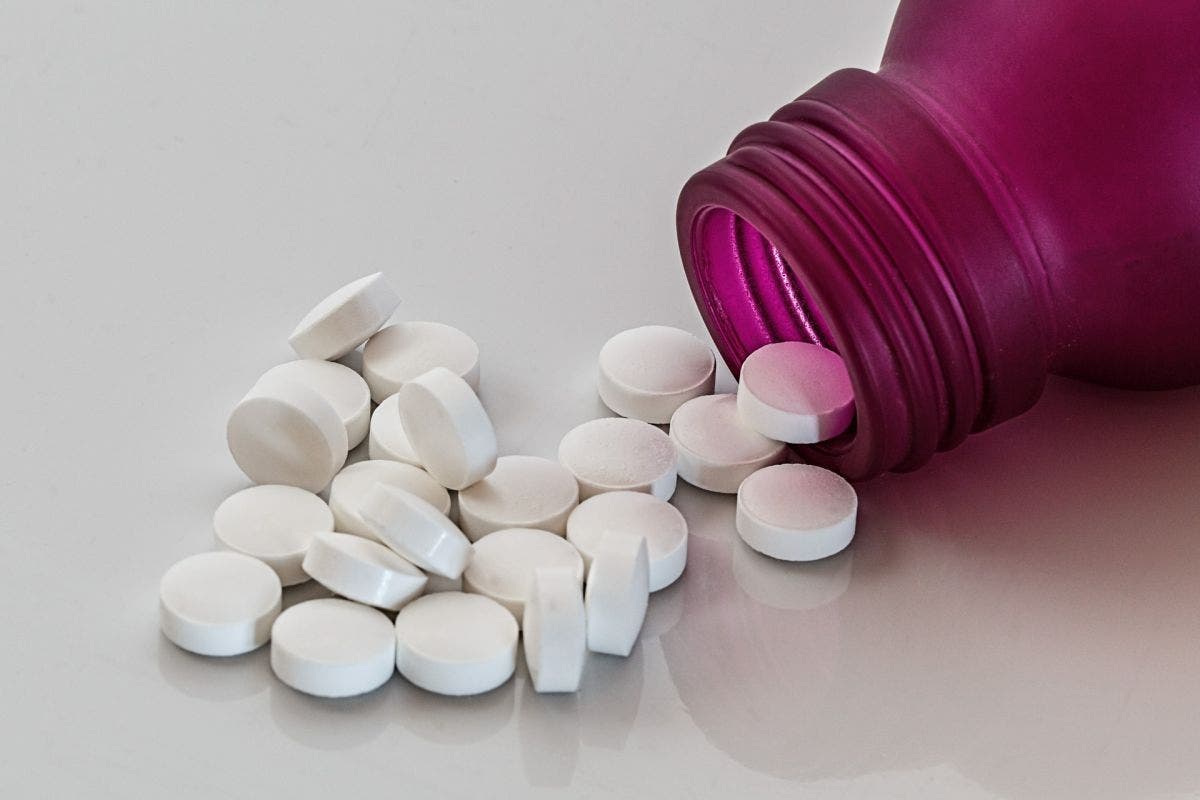
Top photo: Public Domain.
Get more local news delivered straight to your inbox. Sign up for free Patch newsletters and alerts.