Politics & Government
Oak Lawn’s Video Gaming 'Push-Tax' Approved by IL Legislature
HB 3136 moves to the executive branch for Gov. Pritzker's signature.


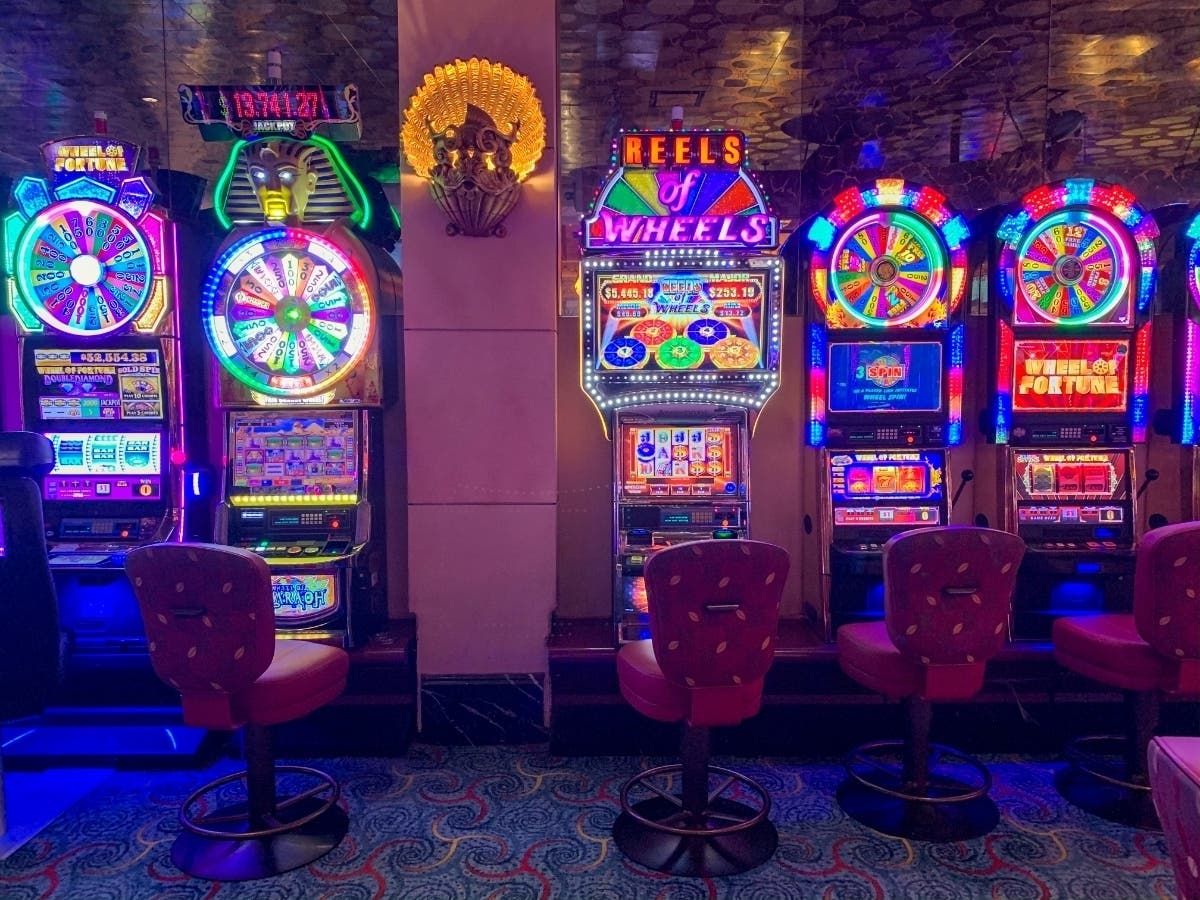
OAK LAWN, IL — The Illinois legislature passed a new Video Gaming Bill, HB 3136, Thursday, giving Oak Lawn a preliminary victory in their hard-fought battle against the video gaming industry.
In May 2019, Oak Lawn Trustee Paul Mallo (Dist. 3) and former Dist. 6 trustee and now Village Manager Tom Phelan completed a comprehensive analysis of video gaming revenues after the state legislature made changes to the video gaming statutes. The three most significant changes were allowing businesses to add a sixth machine, increasing the maximum bet from $2 to $4, and re-cutting the revenue sharing arrangement between the business owners, machine owners, the State and municipalities. It was the third change that spurred the two trustees into action.
“It was outrageous that the video gaming industry left the municipalities in the cold when they re-cut the revenue-sharing pie,” Mallo said of the changes that kept the municipal share at 5 percent while the state share increased from 25 percent to 29 percent. “We are talking billions of dollars in revenues, and the municipalities are the ones burdened with the responsibilities of providing police and emergency services, and for keeping the streets clear to enable businesses to operate in a safe and inviting community.”
Find out what's happening in Oak Lawnfor free with the latest updates from Patch.
Mallo and Phelan looked at various options to increase Oak Lawn’s gaming revenue, eventually deciding on an innovative one cent ($.01) “push-tax” each time a player bet. They estimated this tax would generate an additional $1 million each year for the Village of Oak Lawn.
“We consulted with many Oak Lawn bettors and our research showed that they averaged between 100 and 200 bets each time they played, so we didn’t feel a $1 or $2 tax was unfair, and neither did they,” Mallo said.
Find out what's happening in Oak Lawnfor free with the latest updates from Patch.
Almost immediately after passing the tax, Oak Lawn was sued by the video gaming industry which encouraged their customers to refuse to pay the tax, claiming, among other things, that their machines were incapable of calculating the tax. Their argument was weakened after an Oak Lawn business opted to pay the tax, proving that it was possible, and later when Waukegan joined the battle and the Lake County court dismissed a suit against them by the gaming industry.
The Illinois State Legislature’s new bill (House Bill 3136, Senate Amendment 4) provides that only Oak Lawn and other home rule municipalities that adopted the push-tax before Monday, November 1 will be allowed to impose it.
“It’s unfortunate more municipalities didn’t join our fight, because we believe the case would have settled sooner and saved us significant legal fees,” Phelan said.
He added that Oak Lawn made extensive efforts to encourage other towns to join the fight, including enlisting the help of the Illinois Municipal League, but most municipalities were content to let Oak Lawn and Waukegan go it alone in the lawsuit. “We picked up momentum when Waukegan joined the fight,” said Phelan, noting that aside from Oak Lawn Trustee Paul Mallo, Waukegan Alderman Greg Mosio can take the most credit for this victory if Governor Pritzker signs the Bill. “We were fortunate that the Oak Lawn board unanimously approved the push-tax, which wasn’t the case in Waukegan where their board was divided on the issue. But Greg Mosio led the fight there and got it passed, greatly helping the cause, and Waukegan’s residents.”
House Bill 3136, Senate Floor Amendment No. 4
Updates a version of existing law regarding the wagering tax that is used in the bill and makes changes concerning certain transfers from the State Gaming Fund. In provisions of the Video Gaming Act regarding the sharing of fees imposed by units of government between the terminal operator and the video gaming establishments, provides that the provisions apply to fees under the Act (rather than the Section). In the definition of "sports facility" in the Sports Wagering Act, provides that the exception for a facility that holds a seating capacity of greater than 10,000 persons is applicable in a municipality (rather than county) with a population of more than 1,000,000. Provides that a home rule municipality that has adopted an ordinance imposing an amusement tax on persons who participate in the playing of video gaming terminals before November 1, 2021 (rather than on or before November 1, 2021) may continue to impose such amusement tax pursuant to such ordinance but shall not increase, expand, or extend the tax or tax rate on such persons participating in playing video gaming terminals in excess of that tax or rate set forth in such ordinance and shall not otherwise impose any other tax upon certain entities or persons.
Source: Village of Oak Lawn
Get more local news delivered straight to your inbox. Sign up for free Patch newsletters and alerts.