Community Corner
Author David Sokol with Oak Park: The Evolutions of a Village July 7 at Oak Park Public Library

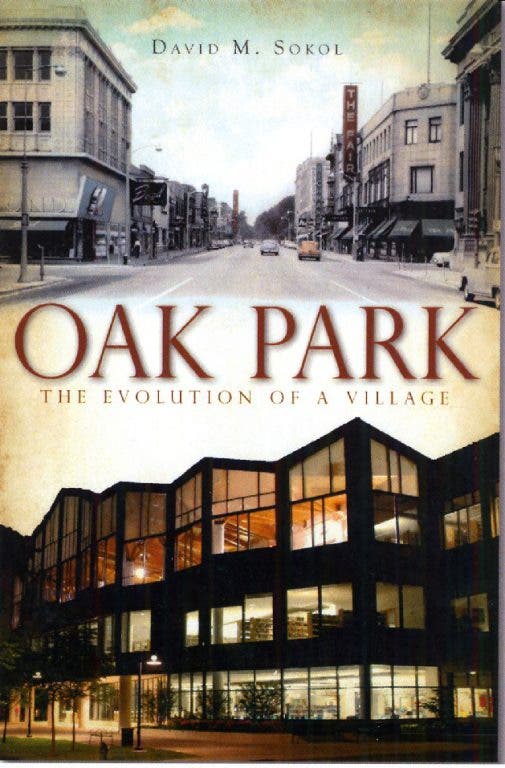
Oak Park author David Sokol shares history from his new book, Oak Park: The Evolution of a Village, on Thursday, July 7 at 7 pm at the Oak Park Public Library, 834 Lake Street. The program is free and open to the public. The Book Table will sell books; David Sokol will be happy to sign them.
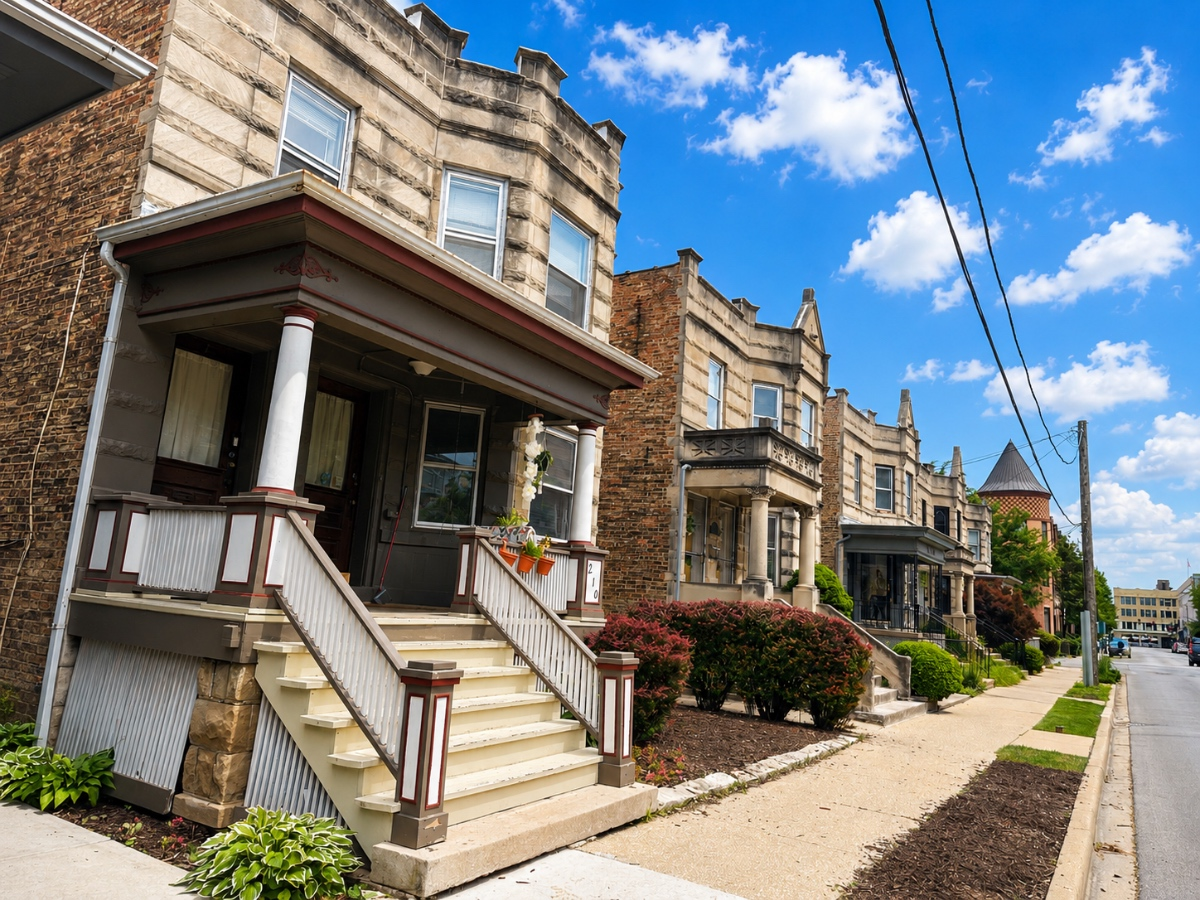
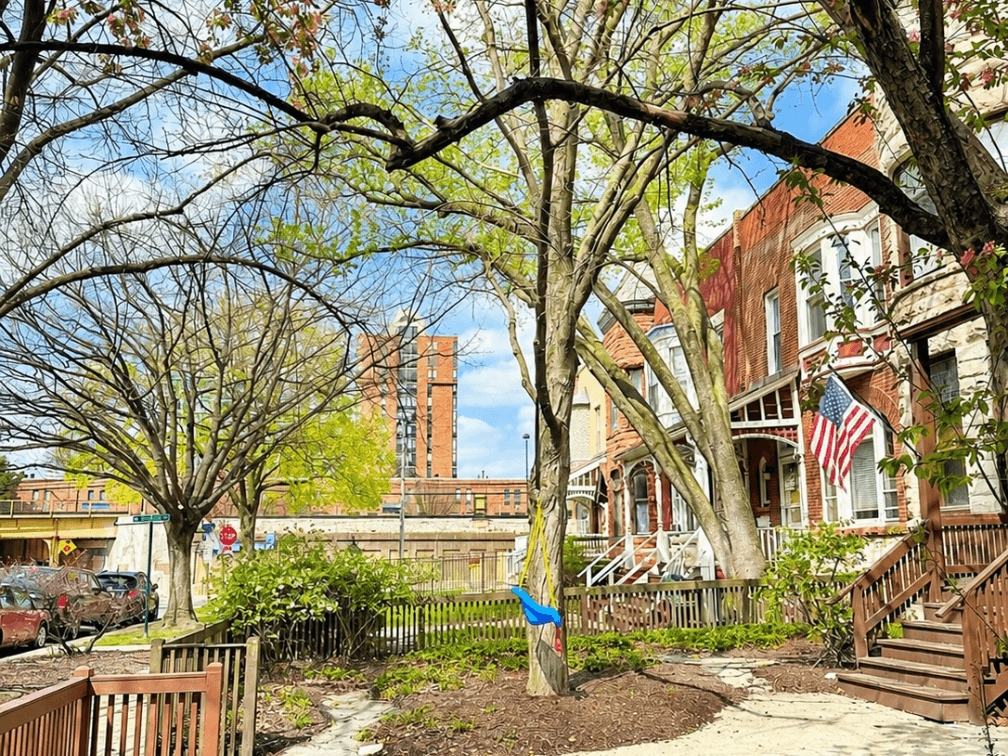
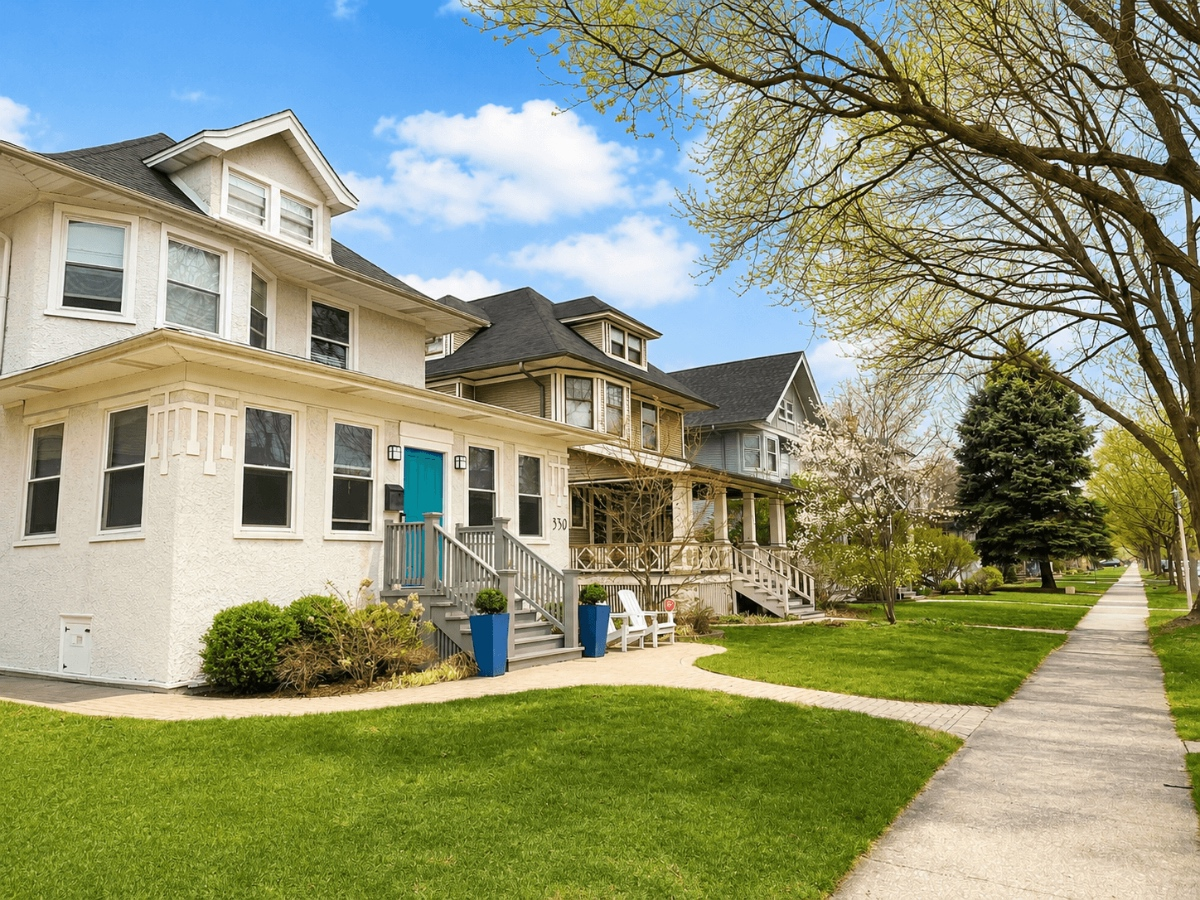
Though Oak Park is a handsome village, with stately trees and often generous lawns, Oak Park has neither major waterways nor dramatic vistas to put it on the map. But Oak Park is rich in important historical figures including Ernest Hemingway, Doris Humphrey, Edgar Rice Burroughs, Percy Julian, Ray Kroc and William Barton, suggests David Sokol in his new book.
Oak Park is also blessed with the world's largest concentration of Prairie School buildings designed by Frank Lloyd Wright and his followers. The Oak Park community has nurtured such innovation with one hand while fiercely holding on to its own identity with the other, negotiating its relationship with Chicago and adapting to a century and a half of constantly shifting challenges.
Find out what's happening in Oak Park-River Forestfor free with the latest updates from Patch.
With 180 photographs and illustrations, Sokol provides many views of the Oak Park landscape over more than 100 years. He begins with Albert Schneider Jr.'s florist business east of Harlem which included a greenhouse, several Oak Park stores and another store at a local cemetery. James Scoville's mansion which stood in the center of Scoville Park until it was demolished in 1912 shows a huge Victorian home with a turret and large screened porch. One of the most recent photos was taken in November, 2007 when a large group of residents gathered to explore the stores and new brick streetscape when Marion Street south of Lake Street was re-opened.
Sokol recalls the seemingly modest plan for a farmer's market hatched by Marge Gockel and Carla Lind who proposed such a venture to the Village Board in 1975. Now, 33 years since its opening in 1978, the Oak Park Farmer's Market has proven one of the most popular gathering places for residents of all ages five months of the year.
Find out what's happening in Oak Park-River Forestfor free with the latest updates from Patch.
Current big developments are not the only ones to hit roadblocks in Oak Park. It took more than 14 years from 1971 when developer Jonas Stankus bought the property which housed the former Lowell School and District 97 headquarters at Lake and Forest Avenues. The original Stankus plan called for two 54-story towers which he hoped would be subsidized by HUD. Neighbors were irate and demanded an environmental impact study because of the site's proximity to historic district buildings including Unity Temple, a national landmark.
Stankus sued but lost in 1977. Eventually the Village bought the property and re-sold it to a new developer with the village guaranteeing a $16.5 million industrial revenue bond. This residential project, which opened in 1986, eventually included a 15-story tower and a group of townhomes. Writes Sokol, Forest Place can be considered "the grandfather of village involvement in shared economic development for the next several decades."
David Sokol comes with a long history as active resident of Oak Park. He is professor emeritus and former chair of the Department of Art History at the University of Illinois at Chicago. Sokol served as a trustee on the Oak Park Village Board from 1977 to 1891, several years on the Plan Commission and many years as chair of the Historic Preservation Commission. He currently chairs the Oak Park Public Art Advisory Commission and recently completed a term on the Illinois Historic Sites Advisory Council. David Sokol was elected to the Oak Park Library Board in April 2011.
Find more free events happening at the Oak Park Public Library at www.oppl.org/events/calendar.htm.