Politics & Government
Fracking Regulation Closer to Approval in Springfield
Local activists may get their wish as bill requiring companies to disclose fracking chemicals winds its way through the Legislature.
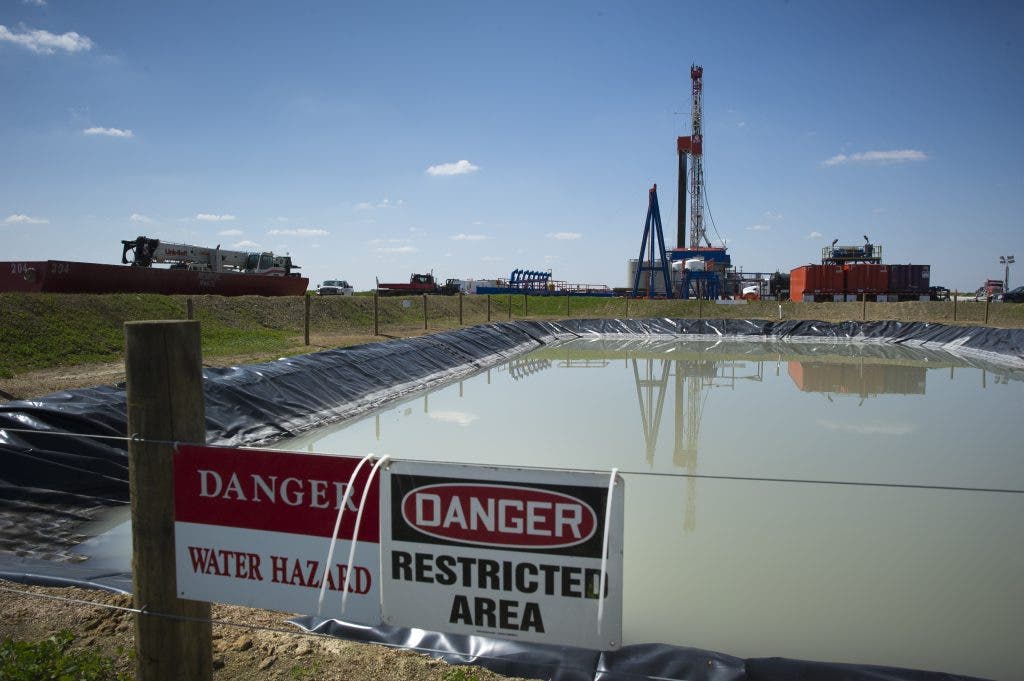
Legislation that would do what activists right here in Oak Park are hoping for — control the process of extracting oil and gas from shale known as fracking — is a step closer to becoming law in Illinois.
Earlier: Fracking on Fall Ballot: What You Need to Know
The State Journal Register reports that the Senate late last month unanimously approved SB 3280 and sent it on to the House, where consideration during the spring session is uncertain.
Find out what's happening in Oak Park-River Forestfor free with the latest updates from Patch.
The bill would allow the Department of Natural Resources, which regulates the oil and gas industry in Illinois, to have power over hydraulic fracturing. Energy companies also would have to disclose the chemical makeup of the fluids used in their process.
The bill got a big thumbs-up because it was crafted by environmental groups and oil and gas interests, said State Sen. Don Harmon (D-Oak Park), who noted that unanimous approval in the Senate could bode well for adoption by the House – if there’s time for it to wind its way through the process. The General Assembly is slated to wrap up business at the end of May.
Find out what's happening in Oak Park-River Forestfor free with the latest updates from Patch.
Disclosure of chemicals is what Oak Park’s Green Party and other area environmentalists are seeking from energy companies as part of their township-wide advisory referendum that will be on the ballot this November.
The controversial process may soon be coming to Illinois as energy companies are now leasing downstate farmland to begin exploring for gas shale.
Long used as a method to extract oil and natural gas deep underground, fracking has drawn scrutiny from environmental groups and community organizations in recent years because it has been linked to pollution in groundwater supplies, along with other concerns in Pennsylvania, Ohio, Wyoming and New York and other states.