Politics & Government
Looking Back, and Ahead, with Gary Balling
The former executive director of the Park District of Oak Park talks with Patch about the group's green legacy.
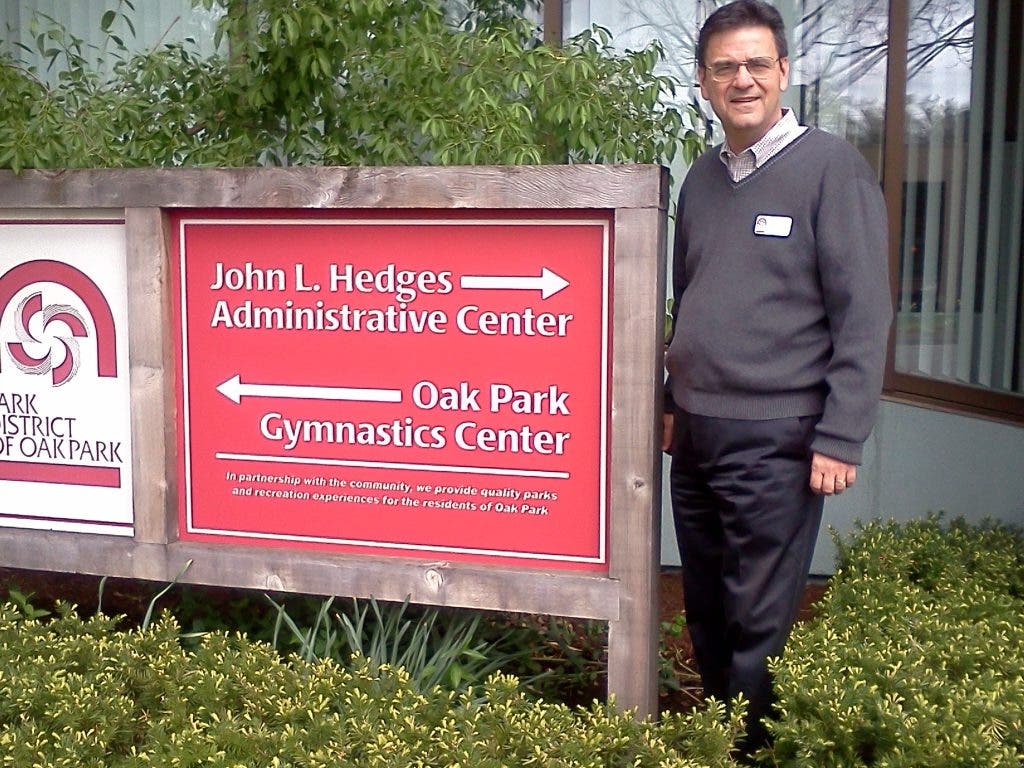
After 12 years leading Oak Park’s preeminent recreation agency, Gary Balling will be retiring at the end of the month.
From the cleanup of to oversight of the master plans for the ’s many facilities, Balling has kept in mind the idea that better stewardship of the environment and sustainability should be one of the district's top priorities.
As he prepares to leave his Madison Street office, Balling sat down with Oak Park-River Forest Patch to talk about his accomplishments, and about the park district’s future.
Find out what's happening in Oak Park-River Forestfor free with the latest updates from Patch.
What are your accomplishments toward sustainability during your tenure?
In 2007-2008, we developed a Greening Advisory Committee (GAC). The committee, made up of citizens and staff. works with us on monitoring and making recommendations on sustainability activities. It looks at different practices and things relative to our buildings, from energy efficiencies, LEED certification and maintenance. We’ve planted nearly 500 new trees, above and beyond what’s been removed. We do a new master plan for new trees. We've installed cisterns at the . We did a new pool filter at the pool, which allows us to use much less water. We’re using environmentally friendly cleaning products and shower restrictors at the pools. We’re doing prescribed burns at the nature area in and are installing new natural areas at and parks. When we renovated the Conservatory, we made the growing houses more energy-efficient. Every year we update out procurement policy with a provision that if environmentally products are purchased staff can spend up to 10 percent more on them. We were the first organization to accept the plan.
Was there a particular reason for establishing the committee?
This is a committee that focuses on issues that are green in nature. It reviews all park plans done to assure that we’re using native plants. These are people who are really into the environment. They carry a true passion for it. It’s not a passing fad for us. It’s a conscious choice on the part of the park board.
Find out what's happening in Oak Park-River Forestfor free with the latest updates from Patch.
Was there any particular issue that brought this idea to the fore?
In 2007 there were questions in terms of our tree preservation program, such as the number of trees that needed to be removed because of Dutch elm disease and the emerald ash bore and the removal of trees for projects. We got questions at meetings and calls in to the park district. One of other issues was managing our bio-diverse natural areas. One thing that came out of the GAC was the development of park stewards and the development of the Green Team, which has been the most effective at Field Park. Ginger Vanderveer has taken on the role of volunteer steward at that park. We hope it will grow at other parks but we’ve not had the success.
Before the GAC, was the park district doing any other sustainable things?
We’ve done some things like using low voltage light bulbs and taking tree trimmings to Brookfield Zoo for the animals to eat. But we’ve done things on a more random level. We take piles of wood chips to for residents to pick up. Our vehicles use bio-fuel. We looked at trying to do more recycling with affiliate sports groups, and we set up carry-in, carry-out. With that we’re trying to change the mindsets of people.
Has that been successful?
I think we have; we’re slowly changing the culture. When we first heard of carry-in carry-out, we knew the program had been done at the national parks for years but we wondered how it would work on the local level. Recycling bins have not been successful. People threw contaminated items like pizza boxes in them, and we didn't have the ability to sort that out. So give teams a blue bag and someone on the team is in charge of taking the recyclables home. We know children are taught these things at school; kids get it. Sometimes they get it more than mom and dad. It’s creating a mindset.
Why do you do prescribed burns?
They are used to eradicate weeds and invasive species. They are designed to preserve the space. One section is left unburned as a haven for small animals and insects. Species are coming back; plant areas are growing better. We are raising the level of consciousness for the need - even in an urban area - for natural areas.
Why do you set aside areas for native plants?
It’s to bring back the natural look and create ecosystems for bio-diverse areas for birds and insects and more nature study. We have signage there so people can understand what’s going on. It’s not just an overgrown area, but there are different plant species. The response to Taylor Park has been positive. It’ll be a great outdoor classroom for schools.
Are there other sustainable projects moving ahead?
We’re looking at a silver LEED certification for Ridgeland Common for the energy systems, the level of insulation and the type of windows. We’ll make sure we have a certain number of bike racks. The Common is located adjacent to public transportation and by its nature there’s a certain number of points assigned for that.
What is still left to do that you wish you could have done?
Development of a good GIS system. If we had one we could keep focus on the kind of maintenance every tree has had and the year it was planted. We would have more data on a tree. Trees are the core of what we do. It’s important.
Are there other things that people are clamoring for the park district to do?
They’d like to see better maintenance of some of the bio-diverse nature areas. We do a good job mowing the grass and trimming the trees. It takes a little more specialized knowledge to care for natural areas. That’s something for the next person to work on.
What do the village and other governmental entities need to do with sustainability and Plan it Green?
Oak Park’s on the cutting edge as far as sustainability is concerned. The electric referendum is a good example of that. Plant it Green needs to continue to be brought to the surface and communicated, talked about.
If there was one message you’d like to convey to village on this issue what would it be?
Passive recreation is important. It promotes people to get out in nature for exercise and fitness. There is a notion of maintaining the balance between active space and more natural space in our parks and it’s important. At Lindberg, there are active spaces for baseball and soccer and there’s a native garden. It’s important to allow people to be involved in active recreation but there should be areas as well where people can reflect on nature and enjoy more leisure time. Mills Park is a good example of that. We are putting in walkways and all sorts of native plants in there.
What’s your legacy?
Most definitely it is the GAC and the relationship that has been developed. Our committee brings together citizens and staff who are knowledgeable about sustainability issues. It’s a good group of people with ideas for sustainability. We have people who are passionate who bring those kinds of ideas forward, they are being part of the solution. The successes come from enabling and empowering a group of citizens to be part of this.
Have you liked what you’ve done?
Yes. I’m passionate about what I do. I’ve always approached in with a sense of calling. It’s hard to take a step back. A lot has been accomplished; I attribute some of it growing up in a large family where I had to be a good negotiator and a problem solver. I learned very early here (at the Park District) that If ask people to be part of the solution, they will. It’s pretty amazing the depth of knowledge people have; it’s been wonderful.
Are you confident that Jan Arnold, , will continue the park district’s commitment to sustainability?
In an e-mail message sent April 18, the day after Arnold, an Oak Park resident, was tapped as the new , Balling said: Jan will continue the traditions and policies established supporting sustainability and assuring that the Park District is ‘green’ for future generations. While working at the Illinois Park and Recreation Association Jan assisted the Park District of Oak Park Greening Advisory Committee with a survey of other park districts on best practices for sports field care and development. The Illinois Park and Recreation Association has a very active Environmental Committee made up of professionals from all regions of the state. Jan’s experience at IPRA will bring many networking opportunities and new ideas.