Neighbor News
Falls Can Make A Life-Changing Impact on Physical, Psychological Health
Fall prevention resources are available at Pathlights
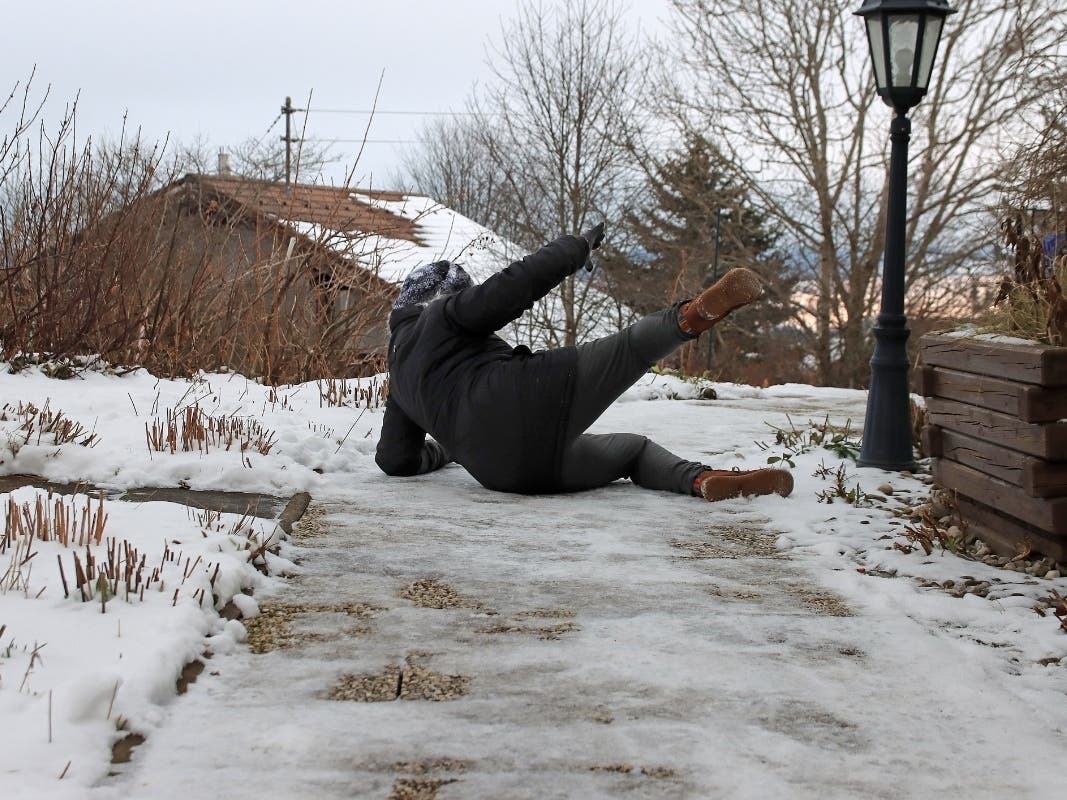
Palos Heights - As the glow of the holidays fade and winter weather comes rolling in, Catherine Stowers thinks more than ever about the hazards of falling.
“Any of us can fall at any age and it can be a life-changing event. But it becomes a much more significant health risk for older adults. After age 65, have an increased likelihood of more health issues that can impact recovery, and a fall can cause more serious injuries,” says Stowers.
Falls are a serious public health risk.
Find out what's happening in Palosfor free with the latest updates from Patch.
Data confirms that falls are the leading cause of fatal and non-fatal injuries among older adults. Falls can cause traumatic brain injury and bone fractures, especially in older adults. 1 in 4 older adults fall each year, and 3 million typically visit an emergency room each year because of a fall.
Stowers, Senior Director of Programs at Pathlights, says, “While broken bones can be the biggest fear, many older adults can experience a fall and then lay there for some time waiting for help. This increases the chances of dehydration and other complications, especially if you have other health needs.” Stowers explains that older adults who experience a fall are likely to be admitted to the hospital for care.
Find out what's happening in Palosfor free with the latest updates from Patch.
“When an older adult falls, oftentimes it can lead to a cascade of problems. Falls may also lead to independent and mobile individuals having to restrict activity. A fall can mean chronic pain, and an exacerbation of existing health conditions.”
Falls have a lasting impact.
Beyond the physical impact, there is also a significant emotional toll that comes with falls. “Falling causes a great deal of psychological distress and experts says that impact can be quite life-altering,” says Stowers. “Falls really threaten how one feels about their own independence. You begin to question yourself – is my health declining? Are things getting hard for me? Am I not able to live alone anymore? You may start to avoid activities, maybe you’re not so comfortable going out, especially in the winter months, which may mean you see people less. You become more isolated.”
Not only does fear impact the quality of life, the fear of falling actually increases the risk of falling. Because people who fall tend to self-restrict their daily activities, they don’t move as much, becoming weaker. Fear of falling may lead to an excessive focus on walking itself, which causes stiffness, disrupts the natural flow of movement and erodes self-confidence, which all increase the likelihood of another fall.
Many falls can be prevented.
Fall prevention is a serious and intense passion for both Stowers and Pathlights. The organization serves Bremen, Lemont, Orland, Palos, Rich and Worth townships, providing resources, advocacy, programs and services to help older adults through the aging journey with independence and dignity.
Inside the home, Stowers recommends bringing in a trusted family member or friend who can help you scan your home to mitigate your risk for falls. Because there may be many things a resident may not even see, such as broken or bubbled flooring or worn, rippling carpet. “Making sure your home is safe can be overwhelming, so ask a trusted family member or friend to look at things with you and for you. An outside view can see things that might not be obvious when you’re living in the situation every day,” she says.
“Throw rugs are a significant tripping hazard, so we encourage you to take those up. Take a good look at the walkways in your home. Are they clear? Is there furniture or other items blocking the way? Are walkways wide enough, especially if you are using an assistive device like a cane or walker?” asks Stowers.
Stowers suggests leaving lights on, or installing motion activated bulbs to make dim spaces safer. She also notes that grab bars should be installed in bathrooms and hallways, checking railings on stairways and considering putting in ramps in place of stairs when appropriate. Bathtubs should be equipped with non-slip mats. Tape down or reroute electrical cords behind furniture.
“Pathlights has several programs that may be able to assist making you safer in your home,” says Stowers. “For older adults that are eligible, in-home services can provide a caregiver to come in and help with light tasks if these things have become too difficult to do safely. Another program may provide an emergency home response button for those that are eligible. You may also consider our Home-Delivered Meal program, especially during our Chicago winters. If you are unable to safely leave your home, these meals also help stave off social isolation as you’ll see a familiar, friendly volunteer a few times each week. Pathlights may also be able to assist with some minor home repair projects to make your home safer.”
Outside of the home, be sure sidewalks are clear and treated with an ice melter before venturing out. Take your cell phone with you whenever you go outside, even if it’s just to the end of the driveway to get your mail. Always wear well-fitting, non-skid shoes that tie, strap or buckle to stay on your feet. Take small slow steps, waddling like penguin to stay upright. Use hand rails whenever possible and take a cane or walker if you use one. Check that the pads or caps on your walking assist are in good condition, with no worn spots, rips or tears.
During bad weather, stay indoors as much as possible. If you have a dog and are at high risk for falling, consider hiring someone to walk them in wet or icy weather.
Personal fitness helps prevent falls.
“Keep moving to prevent falls,” says Stowers. “The more you engage in physical activity, the better. Exercise improves your strength, balance and coordination, and flexibility. There may be classes offered through local park districts and townships that help you prevent falling.” She suggests the Illinois Falls Prevention Coalition search function to help find local, evidence-based area fall prevention classes, or reaching out to Pathlights for additional resources. Additionally, get your vision and hearing checked regularly.
If you do fall…
Experts recommend that if you do feel yourself falling, curl up and try to fall on your butt or your back. Don’t put your arms out to catch yourself, as that can cause broken wrists, hands and arms. Don’t try to get up immediately. Wiggle your toes and fingers, then your feet and hands, then your arms and legs. Get up slowly, and get help if at all possible. If you’ve hit your head, get to an emergency room or urgent care as soon as possible.
After any fall, even if you did not experience any injury, call your healthcare provider for a comprehensive medical exam to identify any red flags and reduce the risk of any future falls. Stowers recommends talking to your pharmacist as well.
Pharmacist Jalal Mataria, RPh, of Tablets Pharmacy in Evergreen Park says, “At any age, but especially in older adults, many commonly prescribed medications, combinations of medications or even over-the-counter medications can disrupt balance, cause instability, confusion or changes in heart rate or rhythm or a drop in blood pressure when a patient stands up. These can include pain medications, antidepressants and antipsychotics, drugs used to help treat sleep disorders, seizure medications, anti-inflammatory treatments, muscle relaxers and opioids. It’s a long list and taking more than one medication of any kind can increase the likelihood that medications can contribute to falls. Go over all your prescription medications, supplements and over-the-counter medications with your pharmacist. They will help identify any drug or combination that could be problematic, help you work with your doctors to find alternatives, and also confirm that you’re taking the correct dosage properly.”
“Many falls are preventable.”
Stowers recommends setting yourself up now for success later, being focused on safety and your physical health to maintain strength and balance and enlisting support from friends and family. “We know this can be difficult to do, as no one wants their independence questioned. But it’s important to call in your cavalry to make sure you have the support you need to prevent a fall, even if it’s just asking a neighbor to shovel your walk or asking your daughter to install grab bars. The more people you have around you, the better.”
Stowers stresses that Pathlights is there for older adults looking to prevent falls. “Falls are a huge public health issue. They affect so many older adults, can create a large financial burden and can impact physical and psychological health. But the great news is that preventing falls is so achievable. Pathlights can provide you with information and resources you may need before you actually need it. We can connect you to programs and support that may prevent a life-changing fall.”
###################