Neighbor News
New Sons and Daughters Caregivers Support Group Fills A Growing Need
Pathlights' brings compassion to the special circumstances of caring for a parent.
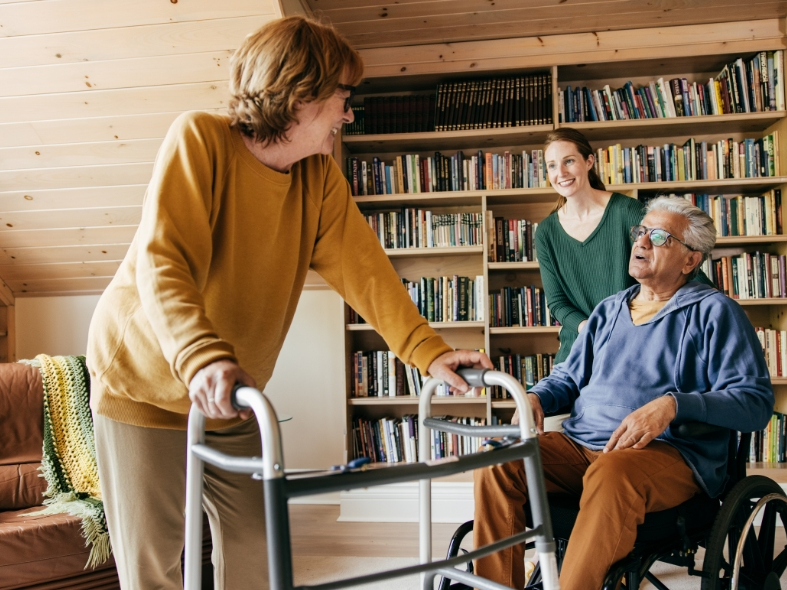
Palos Heights – Woven into the fabric of every marriage is the expectation that, at some time or another, spouses will take care of each other. In fact, the promise of caregiving “in sickness and in health” has been written into wedding ceremonies since 1549. Spouses may struggle in the caregiving role and need support, but life partners overwhelmingly understand it’s part of the vows they made.
It can be a different story for their children, says Catherine Stowers, LCSW, Senior Director of Programs at Pathlights. The organization, which serves the needs of older adults and their families in Bremen, Lemont, Orland, Palos, Rich and Worth townships, hosts two different caregiver support groups each month and was planning on adding a third.
Most of the participants in the existing groups are spouses, and when a son or daughter caregiver attended, they were warmly welcomed and included in the discussions. However, Stowers says, “Sons and daughters have a unique experience in caregiving and that experience shapes their perspective. When we had the opportunity to host a third group, we wanted to be a bit more intentional about whom it would serve. That’s why we formed the Sons and Daughters Caregiver Support Group.”
Find out what's happening in Palosfor free with the latest updates from Patch.
“When we work with spouses, partnership and mutual caregiving are embedded in the relationship. But’s that’s not always the case with a child. You were the one once cared for by your parents, and now you find yourself caring for them. Adult children are typically balancing multiple roles because they are usually still working and they might have kids of their own. While every caregiving experience is complex, child caregivers often navigate a unique set of responsibilities that must be woven into their lives,” says Stowers. This is why adult children of older adults are often called the Sandwich Generation.
In the U.S., it’s estimated that about 24.1 million adult children are caring for a parent, an increase of 32% since 2011. This can begin as informal caregiving, such as picking up a few groceries, doing a load of laundry or attending a doctor’s appointment, and become more complex and time-consuming as the parent or parents age. Adult children caregivers provide an average of 421 unpaid hours of care each year. Caregiving research and support often focuses on spouses, but for older adults - especially those living with dementia or other memory loss – adult children can be among their primary caregivers.
Find out what's happening in Palosfor free with the latest updates from Patch.
Pathlights’ Sons and Daughters Caregivers Support Group is working to help this Sandwich Generation. Along with the role reversal that comes with caring for a parent, children often confront very different emotional, practical and strategic challenges.
In the Sons and Daughters Group, Pathlights is building a safe, welcoming space where these challenges are discussed openly and honestly, with participants connecting compassionately and sharing as much or as little as they feel comfortable. “Often, there are some intense sibling dynamics. Some siblings want an equitable distribution of caregiving tasks, and most times, that does not happen. You may have a sibling living long distance who comes in with strong opinions from afar, despite the fact that you’re the one with boots on the ground. All these factors can create real animosity between siblings when you think they are not holding up what, to you, should be their end of the bargain. That then complicates the situation with your parents, and can cause great divides amongst your siblings,” says Stowers.
“When you’re caregiving, you just feel like you’re alone in it,” says Stowers. “You can feel so isolated, like you’re the only one going through it. So when you can meet others that can resonate with you, that’s really important. In this group, when you say, “oh my gosh, my sister does nothing and it frustrates me,” and then hear someone else say, “oh my gosh, my brother doesn’t do anything either,” there is real power in that, in combatting that feeling of isolation.”
Stowers notes that sometimes, there is a need for resources. If the need for care is great, it can impact the caregiving child’s ability to work. Many caregivers, especially women, quit their jobs or shift to part-time or consulting work, reducing their income and changing their own retirement future. AARP reports that the average family caregiver spends about 26% of their own income to cover caregiving expenses. Nearly half have reduced their own retirement savings.
Pathlights can direct caregivers to and help them apply for cost-saving programs such as SNAP, provide SHIP counseling for Medicare supplements and Medicaid, and arrange for home-delivered meals and in-home services when eligible. “These services can relieve a caregiver from grocery bills and drug and healthcare expenses for the parent, and give the caregiver a break from meal preparation, laundry, housekeeping and personal care,” says Stowers. “That can go a long way in easing the stress and load of caregiving for a parent.”
Stowers recommends that sons and daughters attend the support group as soon as they self-identify as a caregiver. “Your parent doesn’t have to be living with you to attend. As soon as you realize you’re caregiving – and that’s usually a lot later than when you actually begin providing care – you should attend. Even if you’re just stopping by mom’s twice a week, you can experience burnout and issues with setting boundaries and realistic expectations for what you can do. Everyone’s capacity is different.”
Sons and Daughters Caregiver Support Group is held at the Chicago Ridge Public Library, 10400 Oxford Avenue, on the fourth Wednesday of every month, from 3 pm to 4 pm. No registration is required to attend.For additional information, caregiver support and other resources, contact Pathlights at 708-361-0219 or pathlights.org.
The group is informal, with expectations that everyone be mindful and give all a chance to speak if they are willing. Stowers says, “Even those who may be attending for the first time and or aren’t ready to talk will come away feeling connected and more powerful, with strategies that will help them through this caregiving journey.”