Politics & Government
D128 Proposed Referendum Will Address Deficit Caused By Spike In Student Enrollment
The referendum would generate approximately $2.4 million in recurring operating revenue due to 28 percent increase in student enrollment.


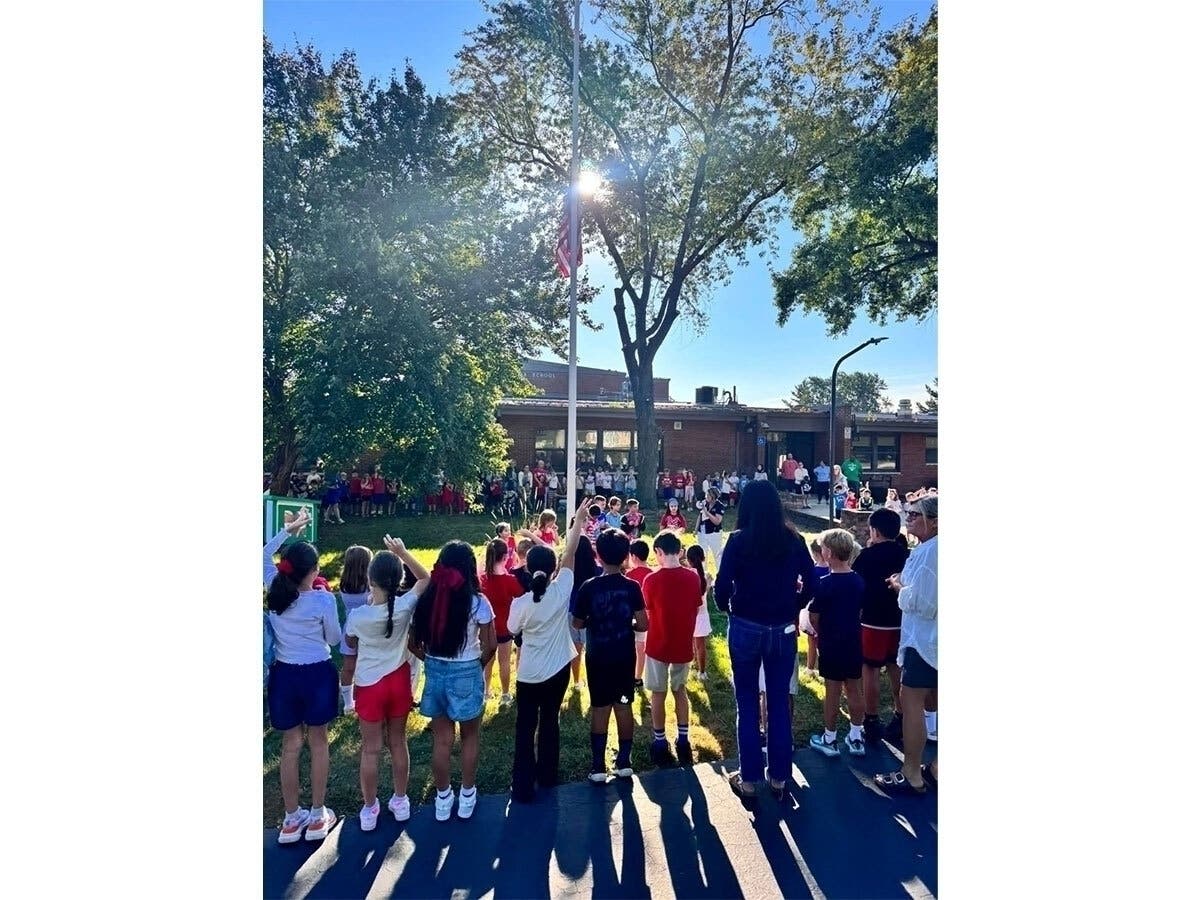
PALOS HEIGHTS, IL—Residents residing in Palos Heights Dist. 128 will be voting on a limiting rate referendum on the Nov. 3 ballot to help address growing financial pressures and protect the programs, teachers, services, and educational opportunities students rely on every day.
“Shall the limiting rate under the Property Tax Extension Limitation Law for Palos Heights School District Number 128, Cook County, Illinois, be increased by an additional amount equal to 0.590000% above the limiting rate for levy year 2024 for the purpose of providing educational programming and instruction and operating, maintaining and improving school buildings and facilities and for other school purposes, and be equal to 3.095955% of the equalized assessed value of the taxable property therein for levy year 2026?”
Palos Heights Dist. 128
Find out what's happening in Palosfor free with the latest updates from Patch.
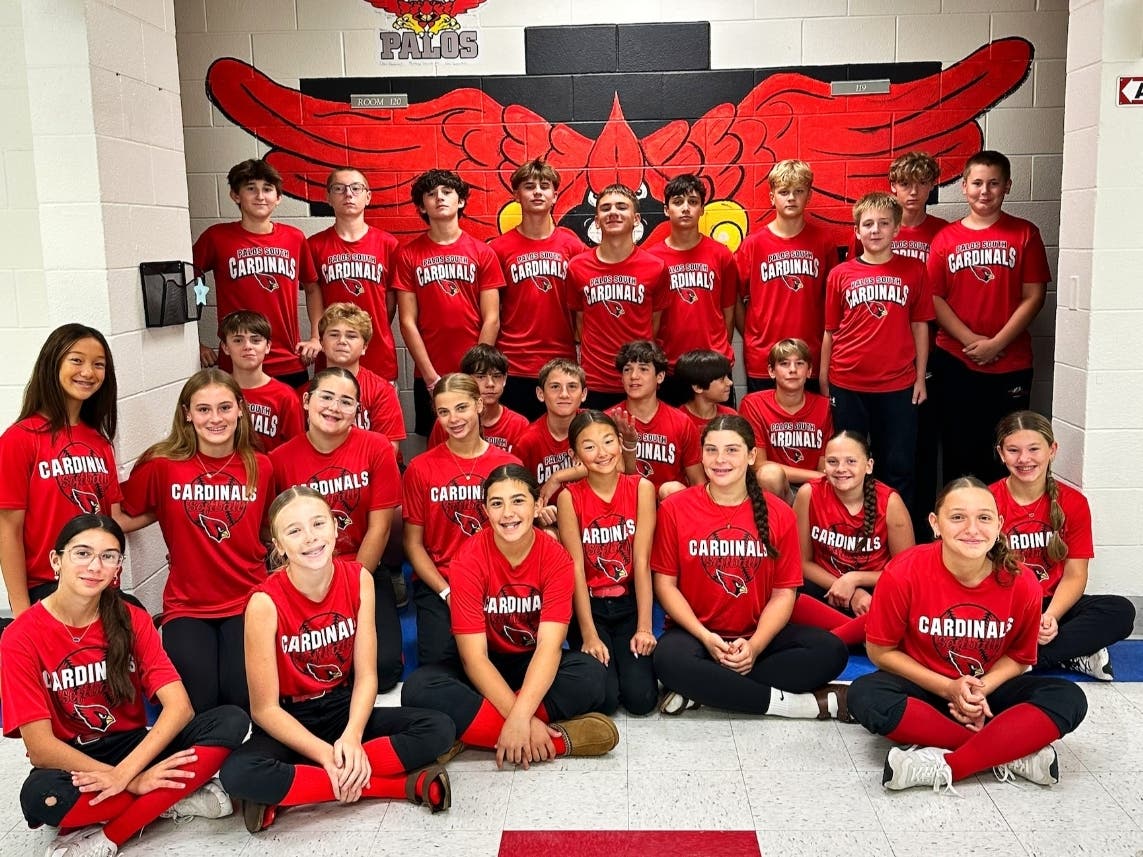
Palos Heights School District 128 includes Indian Hill, Chippewa and Navojo Heights elementary schools, and Independence Junior High School. The district serves Palos Heights and catches a small quadrant of Alsip and Crestwood.
Over the past decade, school enrollment has increased collectively by 28 percent—21 percent in the past five years alone—but funding has not kept pace, according to the YesD128 campaign, a coalition of parents of past and current students and other community stakeholders. If approved, the referendum would generate approximately $2.4 million in recurring annual operating revenue to help address Dist. 128’s ongoing funding challenges.
Find out what's happening in Palosfor free with the latest updates from Patch.
“There’s been an age shift in the area,” said Thad Paskert, a D128 parent and treasurer for the YesD128 campaign. “Most homeowners are first- or second original owners downsizing and moving. We’re getting new families because our school district is highly ranked.”
The district does not receive state dollars based on enrollment. Instead, Illinois distributes state education money through its Evidence-Based Funding (EBF) formula, which is based on home assessment values along with other statutory cost factors.
“I learned from attending school board meetings that the district only receives $727 per student,” Paskert said. “Of peer districts, we get the lowest funding.”
The result is an operating deficit of about $2 million. Voter approval of the district's referendum would help address the funding gap and help temper cuts to staffing, programming, and support services. It also helps maintain small class sizes and avoid reductions to teachers, staff, academic programs, student support services, transportation, athletics, and extracurricular activities. The measure reduces the risk of state intervention and protects property values, and, most importantly, helps keep decisions about District 128 schools in the hands of the community.
The net tax impact of the referendum, according to the Yesd128 website:
| Fair Market Value of Home | Estimated Monthly Net Tax Impact | Estimated Annual Net Tax Impact |
| $300,000 | $32 | $380 |
| $400,000 | $44 | $522 |
| $500,000 | $55 | $665 |
To calculate your tax impact, visit the district's tax calculator.
Regardless of whether voters approve the ballot measure, the district will still have to trim its 2026-2027 budget by $1 million.
“We won’t see that money for a while,” Paskert said. “The district has always demonstrated that they have been fiscally responsible. They run lean, and they do a lot with the money that they have.”
Dr. Robert Grossi, a financial analyst who has worked with other school districts that are experiencing financial challenges, said this is the first year Dist. 128 has been required to provide a deficit reduction plan based on its current budget.
If a school district cannot find a path towards fiscal stability, the Illinois State Board of Education has in the past encouraged the troubled districts to consider merging with another school district that has a shared boundary.
“I do not believe that the state can force a merger,” Grossi said in an email. “The process must be supported by both the boards of the financially challenged district and the receiving district. In this situation, the taxpayers in the dissolved district would maintain the bond tax levy and would assume the limiting fund levy of the new district. In the case of Palos Heights School District 128, all the school districts that share a boundary with them have a higher limiting tax rate than the district's current rate.”
Another possible direction is for the state to create a school finance authority to run the school district, Grossi said.
“This happened in Hazel Crest School District 152.5, whereby the state appointed me as the chief financial officer and appointed a board to oversee the entire district,” Gross said. “This state-appointed board was in place for ten years.”
For more information about the school referendum, visit YesD128. Early voting opens across Cook County on Oct. 19.
Get more local news delivered straight to your inbox. Sign up for free Patch newsletters and alerts.