Neighbor News
Seminar Will Help Caregivers Deal With Feelings of Grief, Guilt and Resentment
April 30th event by Pathlights at Palos Heights Recreation Center helps caregivers of aging loved ones with grief, guilt and resentment.
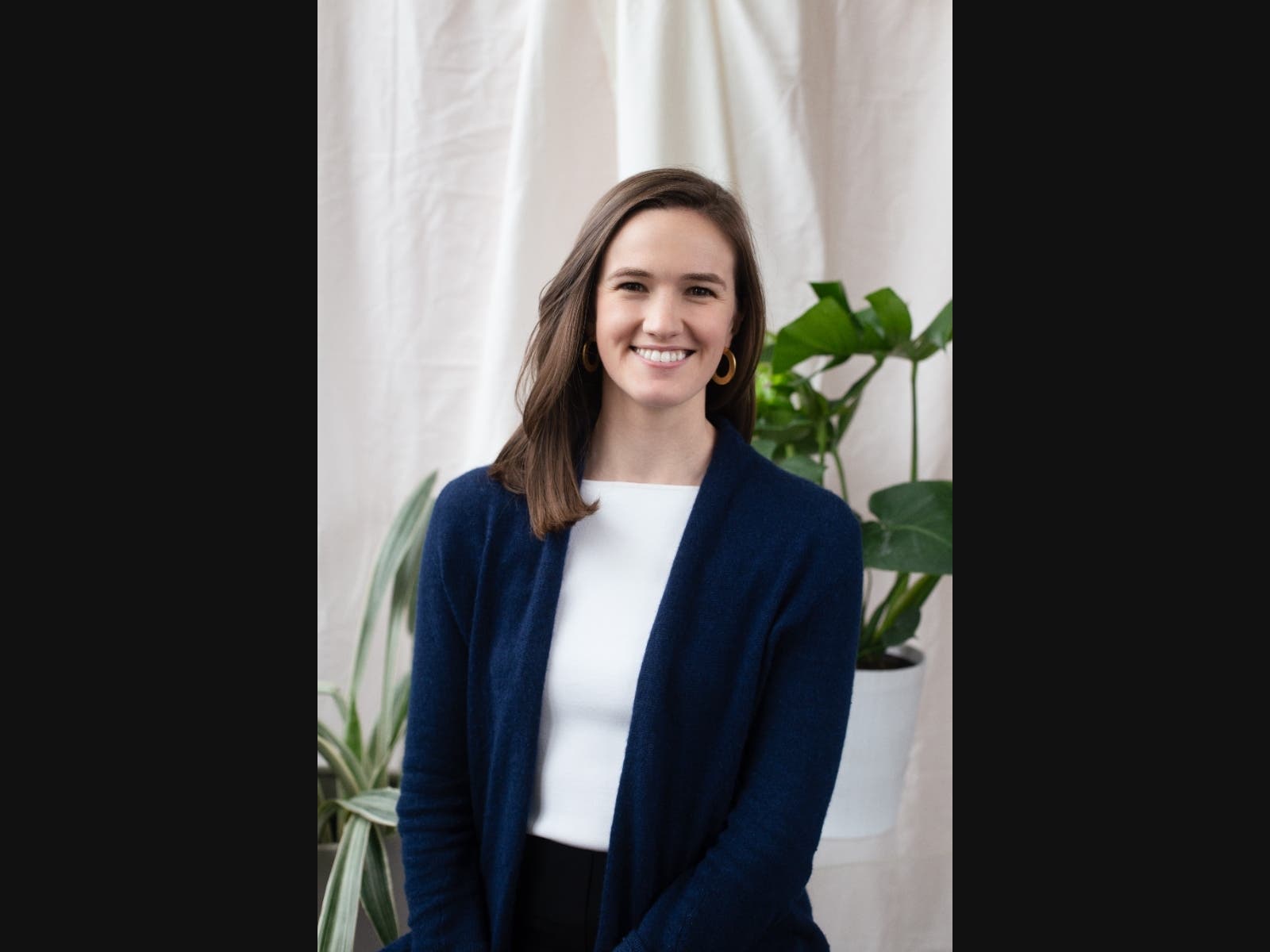


Palos Heights, IL – Teresa Quinn is working to change the way we look at grief in the U.S. She says the popular thought of moving through “five stages” of grief - denial and isolation, anger, bargaining, depression and acceptance - is simply not the reality. In particular, caring for an aging loved one can bring a unique and often silent form of grief that begins a long time before a final goodbye.
Quinn, a licensed Clinical Social Worker, certified Fellow in thanatology & perinatal mental health and a certified EMDR Consultant and Clinician, says, “Elisabeth Kübler-Ross wrote those five stages about the terminally ill. They had nothing to do with grief and loss. However, in the U.S., the larger society kind of grabbed onto that, thinking, “this is a linear model we can follow and put people into categories.” In reality, there are not five stages of grief; there are no stages at all. We want to put people into categories, to make everything neat and tidy. The reality is that grief and loss are messy.”
Being a caregiver can bring grief and other feelings that are all kinds of messy, Quinn says. She, along with Kandis Draw, BS, CHW and Lily Becker, LSW, will be conducting “The Caregiver’s Heart: Healing the Hidden Losses of Eldercare” on Thursday, April 30. The seminar, hosted by Pathlights in Palos Heights, offers a compassionate space to address the complex emotional losses prompted by caregiving.
Find out what's happening in Palosfor free with the latest updates from Patch.
“Whether it’s from shame, stigma or isolation, these hidden losses experienced by caregivers aren’t acknowledged by the larger society and sometimes they aren’t talked about at all,” says Quinn. “Grief doesn’t have a timeline.” She points out that work bereavement leave can be about two weeks, but grief doesn’t stop after two weeks. “These policies and procedures that we have in place try to rein grief in.”
For caregivers of aging loved ones, that grief can begin well before a death occurs. In fact, it can begin the moment an adult child is checking in on older parents, and they notice something feels a little bit off. “Perhaps the parent just doesn’t seem like themselves so the child starts tracking symptoms, even before any type of diagnosis is on file,” says Quinn. “Grief and loss can start even then. It can start when you have to take away the car keys because it feels unsafe for them to be on the road. There’s a role reversal that can happen as people get older, and that comes with grief. Maybe your parent was the one that you turned to for advice, and all of a sudden those roles are reversed, very quickly. There’s a grief in losing that sense of safety that comes from losing someone to turn to, or to just be the person that you’ve known up until this point.”
Find out what's happening in Palosfor free with the latest updates from Patch.
Quinn explains there is also ambiguous loss, especially when caring for someone with dementia or another type of neurodegenerative decline. “Your mom, for example, may be still present, in front of you physically, but cognitively, she is no longer there. You’re grieving the person you knew.”
“There is a cognitive dissonance with that. You’re thinking “Why am I having these big feelings? She’s still alive and still here.” But the reality is that you are already grieving and that’s really important to be named,” says Quinn.
Caregivers tend to stay silent about their grief and other big feelings such as guilt and resentment. Quinn says there are many reasons for that. “Oftentimes, they don’t feel like they have the ability to slow down enough to really attend to their own feelings and needs. If you are providing intensive caregiving, or living with your loved one, you’re also taking them to all their appointments, preparing meals, and trying to meet their basic needs on top of your own and your family’s needs.” Quinn notes that processing these feelings gets put on the back burner. “Caregivers think, “I’ll deal with that down the road one day. I don’t have the ability or capacity to really dig into that, because there’s just too much to do, too many logistics to handle, and it’s too hard and too emotional to process it.”
Quinn says this burden of big feelings diminishes caregivers’ ability to support themselves in ways they require. “It can sound cliché, but the reality is that having compassion for yourself, being kind to yourself, is really the baseline. It’s the foundation. If we don’t have self-compassion, we will burn out, because tending to our own basic needs isn’t there. We need to start from a foundation of self-compassion to make caregiving sustainable over the long term.”
The April 30th seminar is free of charge and refreshments are provided. Caregivers and their loved ones are invited to attend. Quinn says, “Come with the person you’re caring for, instead of trying to find someone to care for them. We don’t want any barriers for caregivers to attend.”
The seminar check-in begins at 10:15 am at the Palos Heights Recreation Center at 6601 West 127th Street in Palos Heights, Illinois. The presentation will begin at 10:30 am.
Guests will learn how to set sustainable boundaries, how to flex when the caregiving situation shifts and how to recognize signs of burn out. Participants will understand the connection between the mind and the body to avoid physical injury and illness and get concrete tools to help them care for themselves with compassion and kindness. They’ll also be introduced to resources that support physical and mental health and become part of a community of caregivers.
This event is sponsored by Moraine Court Supportive Living and participants can enter to win a free massage from Soul Medicine Healing Studio. To register, call 708-361-0219 or visit pathlights.org/events.
Quinn says, “One of the biggest things we want this seminar to do is help reduce social isolation for caregivers. This is a place where you can be with other folks who are experiencing this as well, to validate and name your feelings.”
The Caregiver’s Heart: Healing the Hidden Losses of Eldercare
Thursday August 30 at 10:15 am
Palos Heights Recreation Center
6601 W 127th Street
Palos Heights, Illinois
###########################