Schools
Stagg High School Expansion Honored for Forward-Thinking Design
Courtyard learning space and rooftop greenhouse reflect commitment to student learning and sustainability


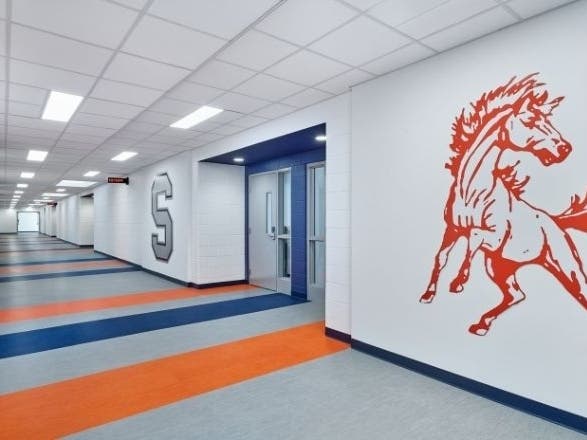
The Amos Alonzo Stagg High School Expansion Project was one of just 52 projects recently recognized in Learning by Design’s Spring 2026 Architecture and Interior Design Awards of Excellence.
The award highlights innovative approaches that strengthen learning, collaboration, and the human connection to educational environments for projects ranging from Pre-K through university.
Stagg’s project was evaluated based on six key criteria, including design challenges and innovation; sustainability and social impact; interior architecture and design; next-generation learning environments; functional design and effective space planning; and responsiveness to community needs.
Find out what's happening in Palosfor free with the latest updates from Patch.
Studio GC Architect and Stagg alumna Nikki Bridges noted that the expansion perfectly represented the selection criteria. Facing a landlocked site, the team developed the 11 classroom additions within the enclosed prairie grass courtyard, along with a green rooftop learning space, science labs, staff offices, and conference room.
Superintendent Dr. Robert Nolting noted, “The Stagg expansion project is more than just about adding much-needed space to a high school; it’s also about adding space strategically and creatively, viewing the project through the lens of a 22nd century learner. It’s about being imaginative and resourceful with our space.”
Find out what's happening in Palosfor free with the latest updates from Patch.
Bridges said, “It is our honor to share this recognition from the Learning By Design committee with District 230. The award recognizes innovative projects that strengthen learning, collaboration, and connection to the educational environment. This outcome would not have been possible without the teamwork and dedication to the project by the staff, administration, and Board of Education at District 230. They understood and advocated for the needs of their students, and their openness to unique and creative design solutions led the project to its success.”