Health & Fitness
Ask the Dentist
"I'm not always good about remembering to floss but I do use my Waterpik® just about every day. Is that good enough? Is using the Waterpik® the same as using floss?"
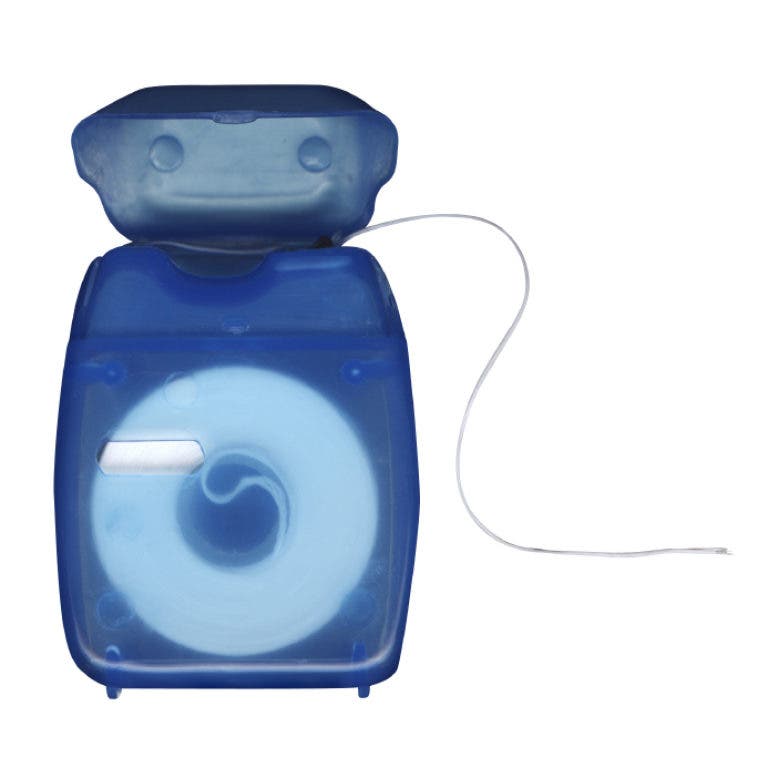
It's time to pour yourself that second cup of coffee or tea, sit back, relax, and indulge in this weeks Ask the Dentist from Family Dental Care Park Ridge. Today's question is one that I hear frequently in the office so, I'm grateful to Jen for sending it our way to be answered. Jen writes:
"I'm not always good about remembering to floss but I do use my Waterpik® just about every day. Is that good enough? Is using the Waterpik® the same as using floss?"
Ah the old "can I stop flossing if I use my Waterpik®" controversy.
Find out what's happening in Park Ridgefor free with the latest updates from Patch.
Here is my opinion Jen. This is an opinion developed after 22 years of observing the results of regular Waterpik® users and regular flossers. If one were to choose just one type of interproximal device (that's the fancy dental word for "in between the teeth" ) one should choose floss. And here's why.
If you use floss correctly, you are snapping it past the tight connection between your teeth and then (and this is key) you are moving the floss up and down pressing it against one of the two teeth first and then pressing it against the other of the two teeth next before snapping it out from between the two teeth. That all important moving up and down along the side of the tooth and under the gumline is what makes floss so important. That one simple maneuver removesplaque and bacteria from the side surfaces of the teeth that the toothbrush can not get at adequately. It is why it is so important to floss at least once daily. Yes, floss definitely helps remove spinach and food that gets stuck between teeth...but to a dentist, that is just a floss bonus. What we really love about floss is how it reduces the plaque and bacteria from between the teeth, creating a healthier environment for the gums and the teeth.
Find out what's happening in Park Ridgefor free with the latest updates from Patch.
Waterpiks® use a pulsating stream of water that produces between 5-90 psi of pressure to remove food particles. As an adjunct to brushing and flossing, a Waterpik® is a wonderful complement to your oral health routine. When you use it instead of floss, however, you are no longer able to achieve the same results that moving floss tightly against the side surfaces of teeth and under the gum line provides. Waterpiks® essentially force food products out from between the teeth but they do not, in my opinion, create enough friction against the smooth surface of the sides of the teeth to remove plaque adequately. Also, people tend to think that if a moderate speed on the Waterpik® is good, a higher speed must be awesome and the risk there is that you can actually force food products or bacteria deeper into the soft tissue of the gum line and create irritation. I usually encourage people that want to incorporate using a Waterpik® along with brushing and flossing to not use any setting higher than a medium setting to decrease the chance of irritating the soft tissue (gum). So, to wrap up, floss should always be used as part of your daily oral hygiene routine...nothing yet, in my opinion, replaces the effectiveness of floss. That said, adding a Waterpik® to your routine of brushing and flossing is an excellent choice being always mindful of what speed you use with the Waterpik®.
Thanks again Jen. If you would like your dental question answered, you can ask your questions below in the comments or email me at info@ParkRidgeDDS.com We are trying to answer each of the questions that are landing in our inbox and we are loving how enthusiastic you are!
And remember, as always...we LOVE making you smile!