Health & Fitness
Ask the Dentist
There are several reasons that a tooth may need to be extracted. Read on to become better informed about tooth extractions!
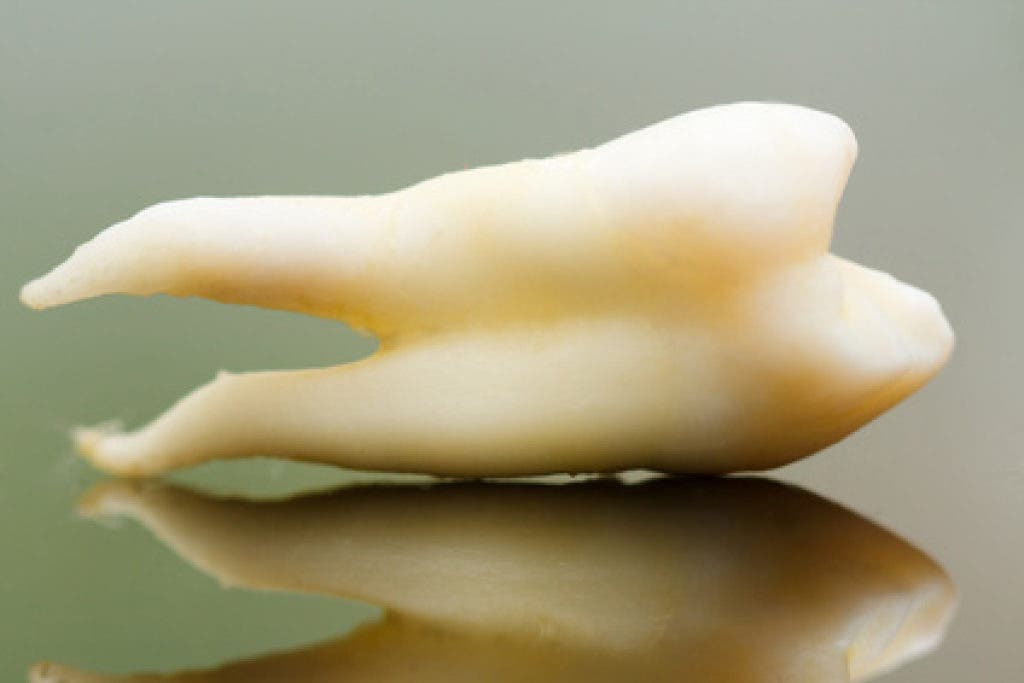
Thanks to Beth, we have another great Ask the Dentist topic...a topic that tends to sends shivers down many people's spines. And the truth is, well...read on...
Beth asks,
"I've been told that I need to have a tooth pulled. It's a molar and I'm very nervous. The tooth can't be saved and I know that I need to do this but...well I'm scared that I will be in a lot of pain."
Find out what's happening in Park Ridgefor free with the latest updates from Patch.
First of all, if a tooth can't be saved and it needs to be pulled (extracted), it is wise to get that done as soon as possible so that the tooth doesn't flare up and create a problem for you. It does seem like a scary procedure but, maybe after reading my explanation here, you will feel a little bit better about it and get it done.
There are several reasons that a tooth may need to be extracted. It may be unrestorable, which means that the extent of damage to the tooth is too much to be able to "fix" it. The tooth may have a fracture in the root that has caused it to be weak and unpredictable. A tooth may need to be extracted in preparation for orthodontic (braces) treatment to make more room. A tooth may also be extracted when it is a "non-functioning" tooth, a tooth that does not have an opposing "partner" tooth to chew with and ends up creating more potential problems than necessary.
Find out what's happening in Park Ridgefor free with the latest updates from Patch.
Once it has been determined that a tooth needs to be extracted, you will need to make an appointment with your dentist or an oral surgeon. Your general dentist will guide you in the process of deciding who would be best to do the extraction...the general dentist or the oral surgeon. On the appointment day, depending on the situation, you may be given a choice to be put under "light sedation", which is IV medication that makes you sleep just deeply enough to be unaware of what is going on around you or to have the extraction done under "local" anesthetic, or what most people refer to as Novocaine. If you elect to have local anesthetic, the "Novocaine", the dentist or oral surgeon will assure that the area where the tooth to be extracted is, is completely numb and you are absolutely comfortable. Once completely numb, the dentist will proceed.
The root of our teeth is surrounded by a flexible ligament that separates the root from the jaw bone. When a tooth is extracted, the dentist gently teases the ligament away from the tooth's root so that the tooth becomes much looser in the socket and easier to remove. Once the tooth is loosened, the dentist can then ease the tooth out of the socket while the patient remains comfortably numb. The sensation that almost everyone feels at the time of extraction is one of pressure as the tooth is being released from the socket. So, most often the dentist will inform the patient that they may feel some pressure but they will not feel pain. Once the tooth is removed, the area is cleansed and, if stitches are needed, a couple of sutures may be placed. The patient is then given some gauze to bite on and the procedure is finished. Most extractions are quick and essentially painless. The recovery after an extraction is also surprisingly (to some patients ) uneventful. Any slight discomfort that may occur is easily remedied by an anti-inflammatory. The extraction site bleeding should slow down fairly quickly so that there is virtually no further bleeding within the first 24 hours. And, as long as there was no infection at the site of the extraction, typically there is no reason to be placed on antibiotics for a simple extraction. Your dentist will spend some time going over the post-extraction recommendations which will include, what and when you can eat, how and when to brush, what to take for discomfort and what you should expect to experience. Knowledge is power and the more you know, the better your experience will be. Always ask questions!
Beth I hope that by extracting the truth here, the fear of having an extraction has been eliminated...or at least reduced ;-) Thank you for asking a very important question. If you have a dental related question that you would like answered, please email me at info@ParkRidgeDDS.com or ask the question in the comment section below. We at Family Dental Care Park Ridge love the great response that Ask the Dentist is getting!
And remember, as always....we LOVE making you smile!