Health & Fitness
How not to raise a bully
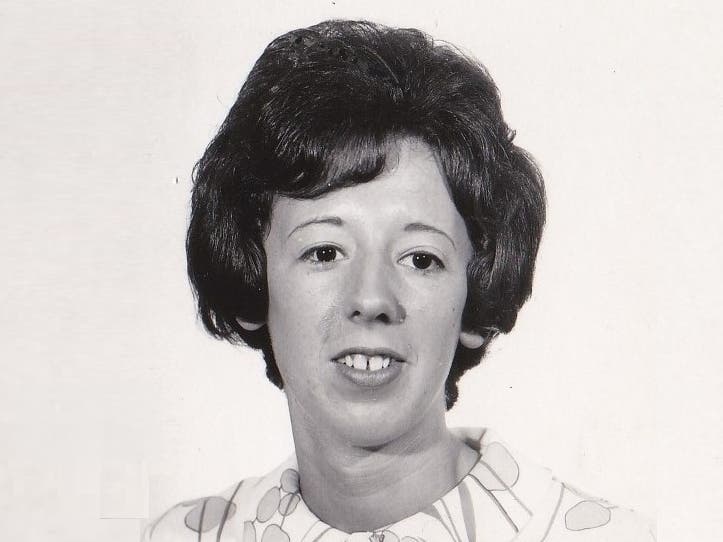
"Bullying is unwanted aggressive behavior that involves an imbalance of power," says Dr. Julie Miaczynski of Edward Medical Group.

Bullying occurs once every seven minutes in schools across the country, reports the National Education Association. A staggering 90 percent of fourth through eighth graders report being victims of bullying, and it’s causing some 160,000 students to skip school each day.
“Bullying is unwanted aggressive behavior that involves an imbalance of power,” says Julie Miaczynski, MD, a board certified family medicine physician with Edward Medical Group. “It’s not just physical. Bullying can be verbal, such as teasing or name calling, or social, such as leaving someone out or embarrassing someone.”
Dr. Miaczynski says bullying can cause serious, lasting problems for both bullies and victims, including school dropout, poor psychosocial adjustment and criminal activity.
Find out what's happening in Plainfieldfor free with the latest updates from Patch.
Bullying is learned. This means it can be unlearned or prevented. So how do you raise a kind kid, not a bully? Instilling strong moral values and character in children starts with you.
- Be a positive role model – Kids see and hear everything. Your child is learning how to treat others by watching you. Make an effort to acknowledge your mistakes, show empathy and treat others with respect. Avoid negative talk and keep grown-up problems to yourself.
- Teach your child to practice kindness – Kindness is learned with daily practice. Encourage your child to pitch in around the house, help a friend, neighbor or teacher, or donate clothes/toys to families in need. Point out acts of kindness in your schools and community.
- Provide positive reinforcement – Praise your child for appropriate social behaviors and acts of empathy. Talk about things they did that day to make friends, and things they may have done to lose them. If discipline is needed, use alternatives to physical punishment, such as loss of privileges.
- Help your child manage destructive feelings – Explain that while feelings of anger, shame or envy are normal emotions, there are appropriate ways to handle them. Encourage communication. Get the school’s principal, teachers and/or social worker involved.
- Set clear, consistent boundaries – Lay the ground rules and stick to them, including firm and consistent limits on aggressive behavior and expectations for respect. Your child will feel more secure in knowing what is and isn’t permitted when it comes to treating others.
- Encourage a healthy sense of power – Make your child an active member of the household, by being responsible for chores and other age-appropriate duties. Encourage independence. Recognize how important his/her role is in the family.
- Love love love your child – Make time to talk with your child and offer undivided attention. Love your child for who they are, not who you think they should be. When your child feels loved and accepted, he or she will be better able to love and accept others.
No matter what your family looks like and what kind of challenges you’re up against, it’s very possible to raise kind, morally-grounded kids. Always remember, your child needs you to be a parent, not a friend.
Find out what's happening in Plainfieldfor free with the latest updates from Patch.
Dr. Miaczynski’s Edward Medical Group office is located in the Edward-Elmhurst Health Center – Plainfield at 16519 S. Route 59. For more information or to make an appointment, call (630) 646-5020 or visit www.EEHealth.org/EMG.