Health & Fitness
Plant Causing Blindness, 3rd-Degree Burns Grows In Illinois
Health officials didn't mince words when it came to the giant hogweed, warning "Do Not Touch This Plant!"


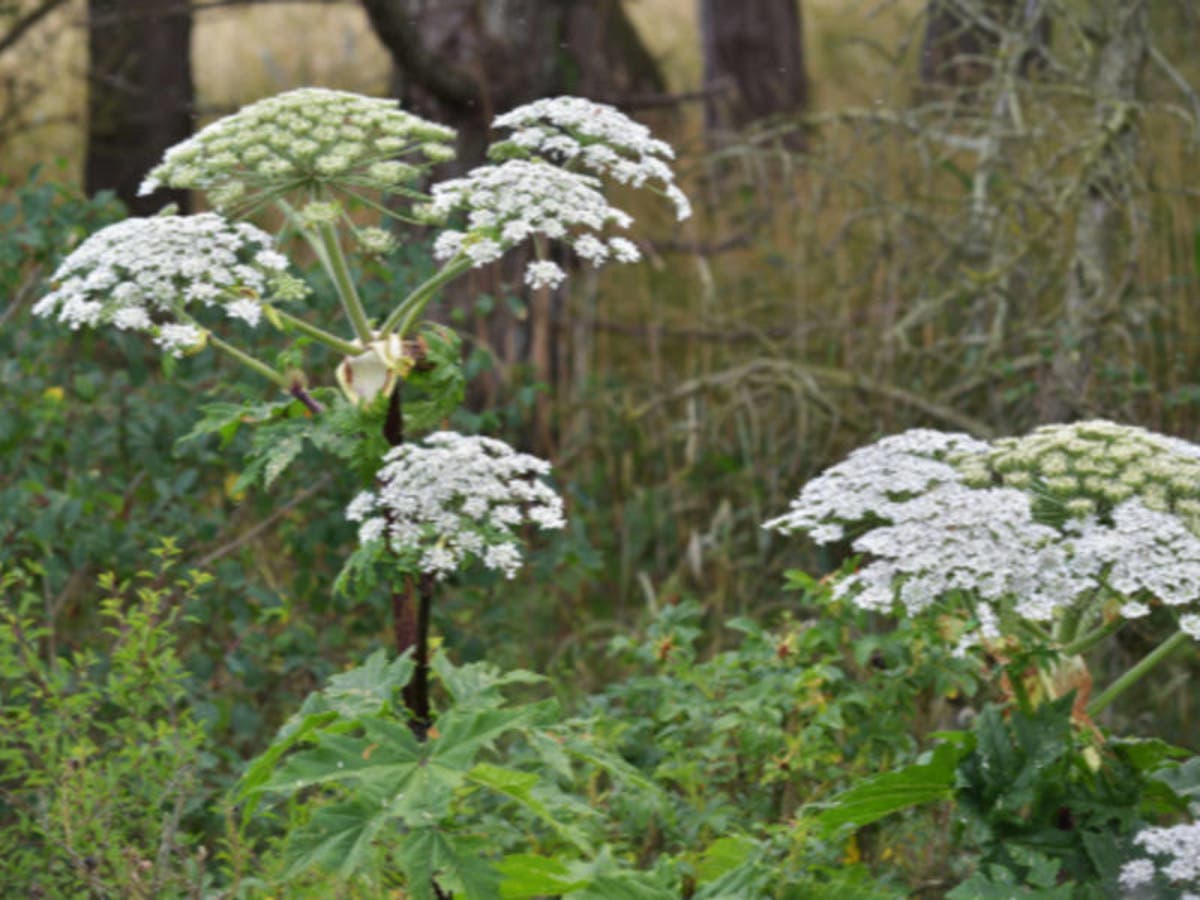
As you’ve probably heard by now, giant hogweed, an invasive species of plant that can leave you with third-degree burns or blind, was recently discovered in Virginia. But what you might not know is that researchers previously found the plant in Illinois, too — specifically, it's been spotted in Cook, DuPage and Lake counties.
Luckily for you — and your nightmares — researchers at the Center for Invasive Species and Ecosystem Health at the University of Georgia run an online mapping system to record when and where invasive species are found. The real-time tracker, dubbed the Early Detection and Distribution Mapping System, provides state, county, point and GIS data for invasive species, including giant hogweed.
According to the tracker, the plant has been found in these counties and locations in Illinois.
Find out what's happening in Plainfieldfor free with the latest updates from Patch.
- Lake County (Seen at a private residence in Lake Forest; and a bluff/ravine on the north side of Greenwood Road in Waukegan)
- Dates observed: Aug 2, 2006; July 1, 2011
- Reporter: Edward DeWalt; Debbie Maurer, Lake County Forest Preserve District
- Cook County (seen at Wolf Road Woods Forest Preserve near Willow Springs; along a trail in Palos Hills; at Cranberry Slough Nature Preserve in Willow Springs; in Deer Grove East Forest Preserve in Palatine)
- Dates observed: July 11, 2016; June 34, 2016; May 1, 2009; July 13, 2008
- Reporter: Kristin Pink, Forest Preserve District of Cook County; Frank Hassler Good Oak Ecological Services; Dennis Nyberg; Pete Jackson
- DuPage County (Seen at Morton Arboretum)
- Date observed: March 5, 2010
- Reporter: Biota of North America Program
Other states that have seen the plant include: Washington, Oregon, Wisconsin, Illinois, Indiana, Michigan, Pennsylvania, New York and most other states in the Northeast.
New York health officials minced no words on its website when it came to the giant hogweed: “Do Not Touch This Plant!” The plant, listed federally as a noxious weed, is characterized by its white, umbrella-shaped-flower clusters and closely resembles cow parsnip. The plant can grow much taller though — up to 14 feet.
Find out what's happening in Plainfieldfor free with the latest updates from Patch.
“Its sap, in combination with moisture and sunlight, can cause severe skin and eye irritation, painful blistering, permanent scarring and blindness,” the New York health department said.
Most recently, about 30 of the plants were found by Virginia Tech researchers in Clarke County, Virginia. While the scientists asked residents to watch for the plant, they emphasized that in that particular case, the weeds were likely planted intentionally decades ago and hadn’t spread.“It’s a dangerous plant but I’m not overly concerned about it. This seems to be an isolated incident,” said researcher Michael Flessner, an assistant professor and extension weed science specialist.The researchers strongly advised against mowing or weed-whacking the plant without wearing proper covering and safety gear.
Patch reporters Dan Hampton and Deb Belt contributed to this report.
Photo credit: : jps / shutterstock
Get more local news delivered straight to your inbox. Sign up for free Patch newsletters and alerts.