Health & Fitness
Tickborne Illness On The Rise In Illinois: State Heath Officials
Tick bites can lead to serious or even fatal illnesses. Find out how to protect yourself.


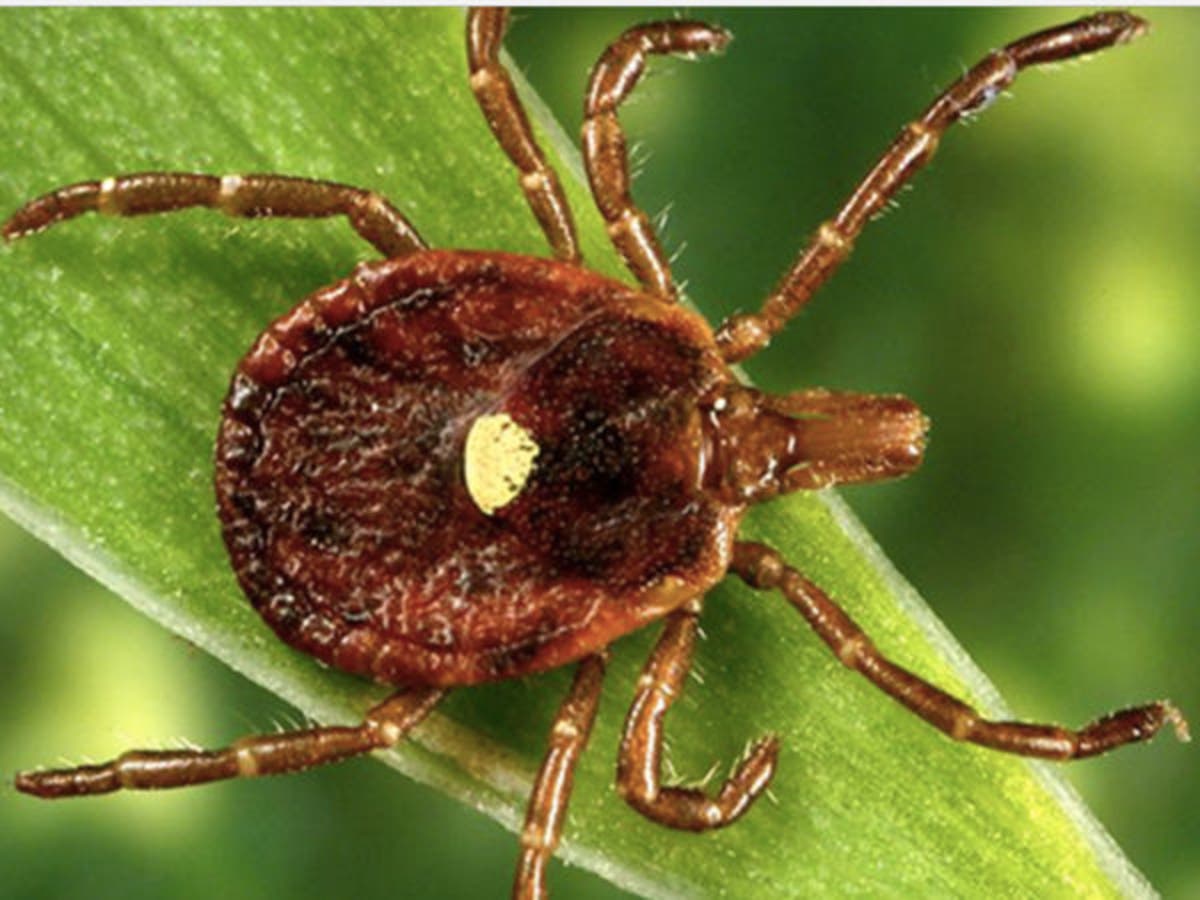
Summer is here, and so are the bugs, including ticks. After a 2-year-old Indiana girl's death earlier this month from what her parents believe was Rocky Mountain spotted fever — just one of numerous tickborne illnesses — Illinois health officials are warning residents to take precautions. “Ticks can carry diseases like Lyme disease, Rocky Mountain spotted fever and ehrlichiosis,” said Illinois Department of Public Health (IDPH) Director Nirav D. Shah,. “A bite from a tick can cause anywhere from mild to severe illness, and even death in some cases, so it is important to protect yourself against bites.”
Health officials statewide said they are seeing an uptick in cases of illness brought on by the blood-sucking insects.
IDPH entomologist Linn Haramis told The Pantagraph Illinois had about 40 confirmed cases of tickborne illness in 2000; last year, the total had jumped to nearly 350 cases.
Find out what's happening in Plainfieldfor free with the latest updates from Patch.
According to the CDC, common symptoms of tickborne diseases include fever, chills, aches and pains including headaches, fatigue and skin rashes, which are seen with Lyme disease, Southern tick-associated rash illness (STARI) and Rocky Mountain spotted fever. Tick paralysis, thought to be caused by a toxin in tick saliva, is rare, but is sometimes confused with other neurologic disorders including Guillain-Barre syndrome or botulism, the CDC said.
Early treatment can help ward off serious complications, so if you think you may have symptoms, call your doctor immediately. Giving your health care provider the geographic area in which you were likely bitten can also help pinpoint the illness, IDPH said. (For more local news, click here to sign up for real-time news alerts. If you have an iPhone, click here to get the free Patch iPhone app.)
Find out what's happening in Plainfieldfor free with the latest updates from Patch.
So how do you protect yourself? IDPH offers these tips to help prevent exposure to tick bites and tickborne diseases:
- Wear light-colored, protective clothing—long-sleeved shirts, pants, boots or sturdy shoes, and a head covering.
- Treat clothing with products containing 0.5 percent permethrin.
- Apply insect repellent that contains 20 percent or more DEET, picaridin, or IR3535 on exposed skin for protection that lasts several hours.
- Walk in the center of trails so grass, shrubs, and weeds do not brush against you.
- Check yourself, children, other family members, and pets for ticks every two to three hours. Remove any tick promptly by grasping it with tweezers, as close to the skin as possible and gently, but firmly, pulling it straight out. Wash your hands and the tick bite site with soap and water.
CDC photo
Get more local news delivered straight to your inbox. Sign up for free Patch newsletters and alerts.