Politics & Government
Early Spring Prompts Early West Nile Watch
Residents are asked to contact the Will County Health Department when they see a dead bird so that it can be check for WNV infection.


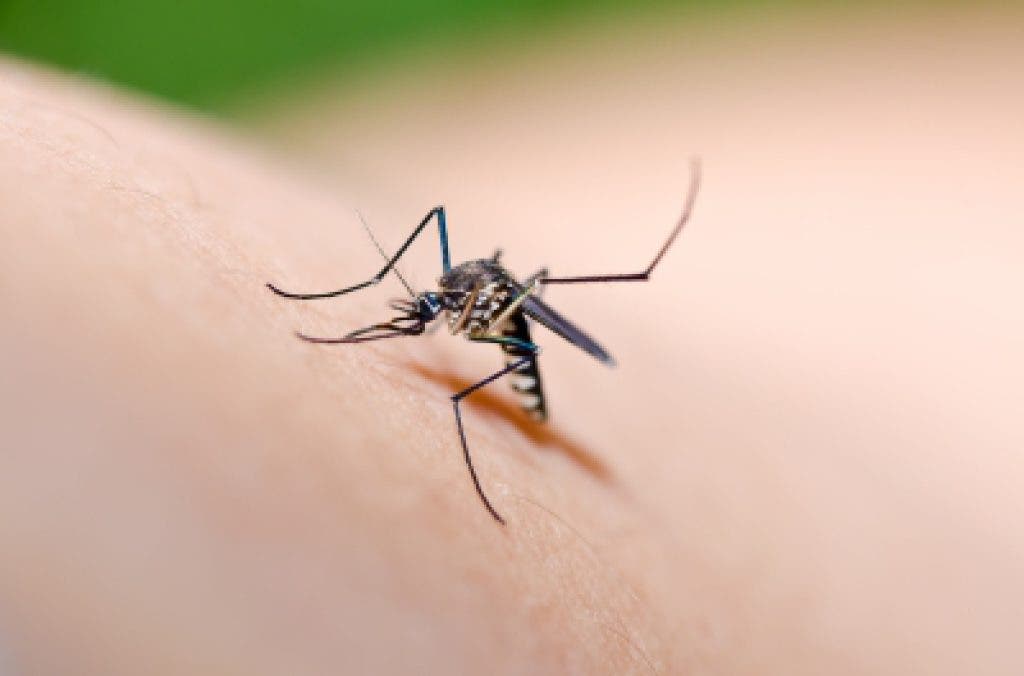
Will County started its West Nile Virus watch Monday, about two weeks earlier than normal because of the mild winter and warm early spring, officials said.
Residents in Romeoville and other parts of the county are asked to contact the Will County Health Department when they see a dead bird so it can be tested for WNV. The Will County Health Department's information line to report dead birds is open 24 hours daily at 815-740-7631.
Launched in May 2002, the info line also provides the latest information concerning WNV and local hot spots and offers access to a health department representative during regular weekly business hours, according to a department news release.
Find out what's happening in Romeovillefor free with the latest updates from Patch.
Adult crows and blue jays have long been testing priorities, the release said, but the Illinois Department of Public Health now accepts multiple bird species for laboratory analysis, including robins, finches, grackles, sparrows, wrens, swallows and cardinals.
“We are interested in the location of dead birds because that information is one way we are able to assess the potential for local virus activity," Will County Health Department Executive Director John Cicero said in the release. "Dead bird monitoring and testing has traditionally been a critical part of the statewide WNV surveillance initiative.”
Find out what's happening in Romeovillefor free with the latest updates from Patch.
WNV surveillance across the state traditionally begins the first week of May. However, one of the mildest winters on record and unseasonable warmth throughout March and early April require the need for accelerated testing.
Will County Environmental Health also plans to increase mosquito monitoring throughout the WNV season, which typically runs through mid-October. Preliminary Will County mosquito monitoring will begin at eight sites in early May.
Monitoring will eventually be expanded to approximately 15 local sites during the summer.
WNV is a mosquito-borne disease capable of producing encephalitis and meningitis, potentially fatal inflammations of the brain and spinal cord. Residents can minimize personal risk by avoiding outdoor activity at dusk and near dawn, when mosquitoes are most active.
Wearing light-colored long sleeves and eliminating potential mosquito breeding sites on your property can also reduce personal risk. Residents are advised to use insect repellent containing DEET or other chemical compounds that deter mosquitoes when spending time outdoors.
The state of Illinois has had at least 646 human WNV infections and 31 fatalities since 2005. The state totals include 55 Will County cases and two local fatalities.
Get more local news delivered straight to your inbox. Sign up for free Patch newsletters and alerts.