Community Corner
Valley View Safety Coordinator Reminds Residents About Carbon Monoxide Dangers
In the home, heating and cooking equipment that burn fuel can be sources of carbon monoxide.

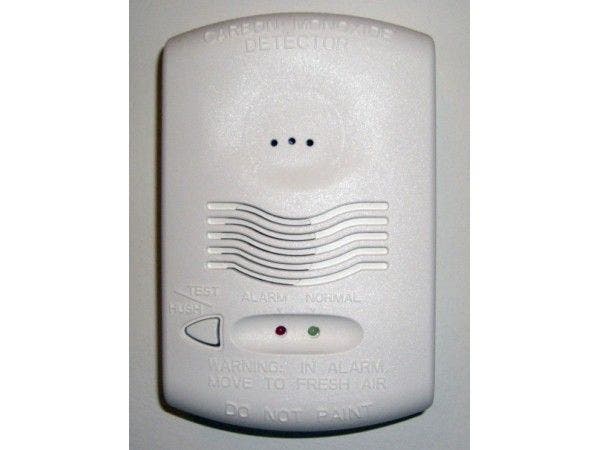
ROMEOVILLE, IL — With colder temperatures upon us, Valley View School District 365U School Safety Coordinator Leroy Brown, in conjunction with the National Fire Protection Association and local fire departments, has issued a reminder about the dangers of carbon monoxide in the home or workplace.
Often called the invisible killer, carbon monoxide is an odorless, colorless gas created when fuels (such as gasoline, wood, coal, natural gas, propane, oil, and methane) burn incompletely. In the home, heating and cooking equipment that burn fuel can be sources of carbon monoxide.
Brown made the following suggestions:
•CO alarms should be installed in a central location outside each sleeping area and on every level of the home and in other locations where required by applicable laws, codes or standards. For the best protection, interconnect all CO alarms throughout the home. When one sounds, they all sound.
Find out what's happening in Romeovillefor free with the latest updates from Patch.
•Follow the manufacturer’s instructions for placement and mounting height for alarms. Choose a CO alarm that has the label of a recognized testing laboratory.
•Call your local fire department’s non emergency number to find out what number to call if the CO alarm sounds.
Find out what's happening in Romeovillefor free with the latest updates from Patch.
•Test CO alarms at least once a month; replace them according to the manufacturer’s instructions.
•If the audible trouble signal sounds, check for low batteries. If the battery is low, replace it.
•If it still sounds, call the fire department.
•If the CO alarm sounds, immediately move to a fresh air location outdoors or by an open window or door. Make sure everyone inside the home is accounted for. Call for help from a fresh air location and stay there until emergency personnel.
•If you need to warm a vehicle, remove it from the garage immediately after starting it. Do not run a vehicle or other fueled engine or motor indoors, even if garage doors are open. Make sure the exhaust pipe of a running vehicle is not covered with snow.
•During and after a snowstorm, make sure vents for the dryer, furnace, stove, and fireplace are clear of snow buildup.
•A generator should be used in a well ventilated location outdoors away from windows, doors and vent openings.
•Gas or charcoal grills can produce CO — only use outside.
Photo: Carbon monoxide detector/Wikimedia Commons
Get more local news delivered straight to your inbox. Sign up for free Patch newsletters and alerts.