Community Corner
Forest Preserve seeks Rock Run Rookery cleanup volunteers
See the problem firsthand and be a part of the solution at the 'River Shoreline Cleanup' on April 27.


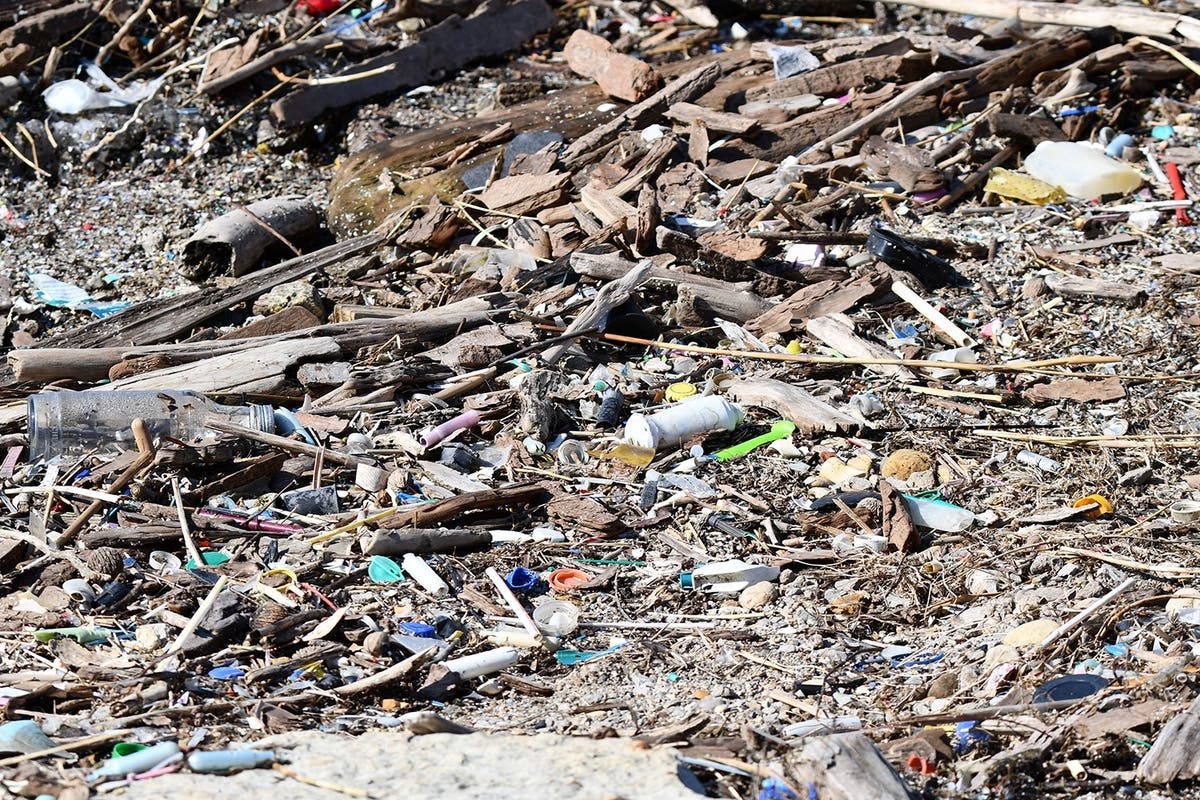
The Forest Preserve District of Will County's Rock Run Rookery Preserve in Joliet will be the focus of a River Shoreline Cleanup from 9-11 a.m. Saturday, April 27.
The cleanup effort will help combat the problem of plastic littering the shoreline. At the rookery, plastic and other debris comes both from litter and improperly disposed of trash as well as flooding on the adjacent Des Plaines River that spills over into the preserve.
During the cleanup, participants will spend a few hours picking up the debris littering the rookery shoreline. The District will provide gloves, bags, buckets and some pickers, but if you have your own gloves feel free to bring them.
Find out what's happening in Shorewoodfor free with the latest updates from Patch.
"We would love to have people participate in the shoreline cleanup," said Erin Ward, an interpretive naturalist at the District's Four Rivers Environmental Education Center in Channahon. "The more the merrier!"
Due to the proximity to water and the unpredictable nature of the debris that will be collected, this program is limited to individuals 14 years of age or older. Register online by Monday, April 22.
Find out what's happening in Shorewoodfor free with the latest updates from Patch.
The causes
One of the primary targets during the cleanup will be the removal of plastic. As the use of plastic has increased in our daily lives, so, too, has plastic pollution of our waterways.
In fact, plastic and plastic items are a primary source of marine debris in the United States, according to the National Oceanic and Atmospheric Association's MarineDebris Program. Besides plastic, other common sources of marine debris include glass, metal, rubber, paper, cloth and wood.
Much of the garbage seen along the Rock Run Rookery shoreline comes from the Des Plaines River.
"When the Des Plaines River floods, the rookery floods," Ward said. "Some of the trash in the river flows into the rookery during flooding periods, and then the water recedes and trash is left behind."
Marine debris isn't just unsightly; it also poses many problems. Animals that live in the river may consume the smaller particles, and plastic debris can also cause injuries to wildlife that become stuck or entangled in it.
The River Shoreline Cleanup is a good way to see the problem of litter firsthand and be a part of the solution.
What you can do
If you can't make it to the River Shoreline Cleanup, you can still do your part to keep our environment clean. A good first step is to make sure all trash is properly disposed of and secured, so it isn't loose or able to fly away. This helps ensure waste and recyclables make their way to the proper facilities.
Plastic bags cannot be recycled through curbside recycling programs because they will damage the recycling plant equipment. However, you can recycle these bags at many large grocery stores and retailers, but an even better option is to start using reusable bags, Ward said. You can even keep some in your car so you always have a few handy.
It's also very important to never flush plastic items down the toilet, Ward advises. Let your toilet do only the work it was designed for: flushing human waste and toilet paper.
And fishing line should always be disposed of.
"Monofilament is hard to see, and many times wildlife cannot see it and they get tangled up," Ward said.
Anglers should cut their fishing line up into smaller pieces and properly dispose of it. The Forest Preserve District provides fishing line recycling receptacles at its premier fishing locations: Isle a la Cache, Lake Chaminwood, Lake Renwick Preserve's Turtle Lake, Monee Reservoir, Rock Run Rookery and Whalon Lake.
Please note: the monofilament receptacles are not intended to be used for other garbage and recyclables.
"They are small tubes meant for fishing line," Ward said. "Often, we find three empty water bottles crammed in there, and then you can't get the fishing line in, so that's a problem."