Health & Fitness
Canine Heartworm: A Nightmare To Cure, A Breeze To Prevent
A bite from a mosquito infected with the heartworm larvae can give your dog heartworm disease. Luckily, the disease can easily be prevented. Here's how.

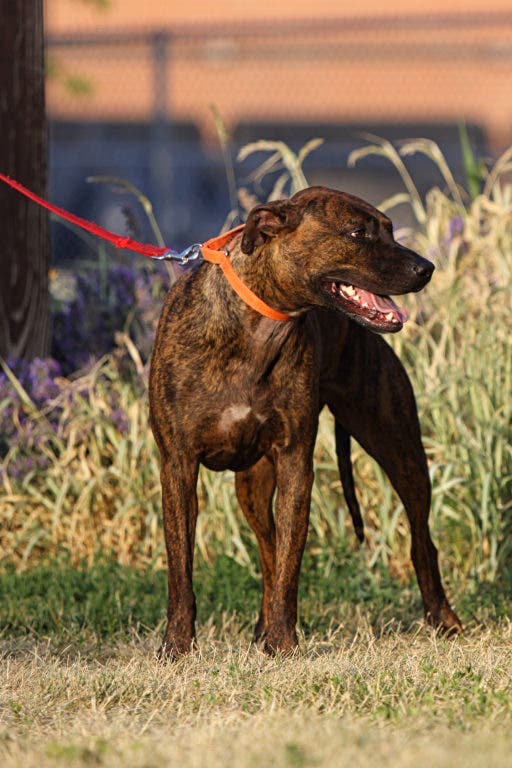
The bad news for your dog is that the bite of just one mosquito infected with the heartworm larvae will give your dog heartworm disease. The good news is that the disease can easily be prevented. Read on for details of what heartworm disease is and how it’s transmitted, plus prevention, symptoms and treatment.
Canine heartworm is a round worm transmitted by mosquitoes that lives within the dog’s heart and lungs. Mosquitoes become infected by ingesting the microfilaria (worm). When they bite, the worms transfer to the dog (or cat). It takes 200 days for microfilaria to show up in the dogs’ blood. Heartworm disease in dogs occurs when the number of worms becomes sufficiently large enough to impede blood flow and heart function. (Feline heartworm disease is not as common because cats appear to be less hospitable hosts.
Symptoms & treatment: In most cases, the symptoms of the disease are not noticeable until reduced blood flow caused by adult worms damages the heart, lungs, liver and kidneys. Advanced symptoms include: rapid tiring, shortness of breath, chronic soft dry cough, listlessness and weight loss.
Find out what's happening in Skokiefor free with the latest updates from Patch.
Yearly blood tests are a must. A vet can usually detect heartworm infection by finding microfilaria in a blood sample. Early detection is important for prompt treatment to destroy the adult heartworms. When heartworm disease is confirmed, a treatment program is set up to remove both adult worms and microfilaria.
An infected dog is given a chemical intravenously to kill the adult worms. The treatment takes two days, and the recovery period is one to two months, with dogs kept as quiet as possible. As the worms die they are carried by the bloodstream to the lungs. One dog in 20 may be expected to die as a result of complications from this therapy.
Find out what's happening in Skokiefor free with the latest updates from Patch.
After the adult worms are killed, the microfilaria needs to be eliminated. Treatment is seven days (or longer) with blood tests done until the blood is clear of microfilaria.
Prevention: After the adult heartworms and microfilaria have been eliminated the dog should be put on preventative, once-a-month medication, available from your vet. Most medications include parasite worming that controls adult hookworms, and removes adult roundworms and whipworms only if administered on a monthly dosing schedule. Use caution with Collie breeds and follow your veterinarian’s recommendations.
Always consult your veterinarian for treatment and prevention of the heartworm disease in dogs and cats.
===============
Find more pet-health updates at C.A.R.E.'s Facebook page.