Schools
D219 Debates Altering Time-Off Policy
Proposal would end use of sick days to avoid working on unofficial religious holidays.


Teachers in who miss school to observe religious holidays could find their paycheck a bit leaner.
Earlier this week, the school board discussed a policy change that would no longer allow staff to take sick days to observe religious holidays. Instead, they could use personal days or vacation days.
But teachers get school breaks and summers off but not any vacation days. They are also limited to two paid personal days each school year.
Find out what's happening in Skokiefor free with the latest updates from Patch.
The policy under consideration would allow teachers who have run out of personal days to request an unpaid day off to observe a religious holiday--as long as the day off “does not impact district operations.”
The idea that the district could deny an employee a day off to observe a religious holiday riled board member Jeffrey Greenspan, who wanted the proposal tabled until the policy committee could discuss it again.
Find out what's happening in Skokiefor free with the latest updates from Patch.
“That’s your right to practice your religion,” Greenspan said at Monday's meeting. “That’s an absolute right.”
John Heintz, the assistant superintendent for human resources and chief legal officer for the district, said the language in the proposed policy is consistent with the Illinois Human Rights Act as well as with the policies of 20 other school districts that he surveyed.
In fact, the school district once went to arbitration with the teacher union over the issue and won, but decided to allow teachers to keep using sick time anyway, Heintz said.
Nanciann Gatta, the District 219 superintendent, said that last year, roughly 30 employees took a total of 71 days off for religious holidays, costing the district $8,000 in pay for substitutes. Those days are in addition to several major religious holidays when classes generally are not scheduled, including the Jewish high holidays of Rosh Hashana and Yom Kippur.
But observant Orthodox Jews are forbidden to work on several other days, Greenspan said. Depending on whether they fall on weekends or not, such employees could miss six or seven days, he said.
Greenspan was less concerned that district workers would not be paid for those days than that they could be forced to work. Forcing them to work would effectively keep some religious groups from seeking employment in the district, he said.
But school board president Robert Silverman said the district has a legitimate interest in keeping its experienced and well-paid teachers in the classroom.
“It’s the rights of the employee versus the rights of the student to get a quality education,” Silverman said. “You are disadvantaging the kids in those classrooms.”
Gatta said the district has disciplined employees for excessive absences in the past. However, no case involved taking too many religious holidays off.
Some board members suggested that the district could change the policy, with the board instructing administrators to honor requests for unpaid religious holidays.
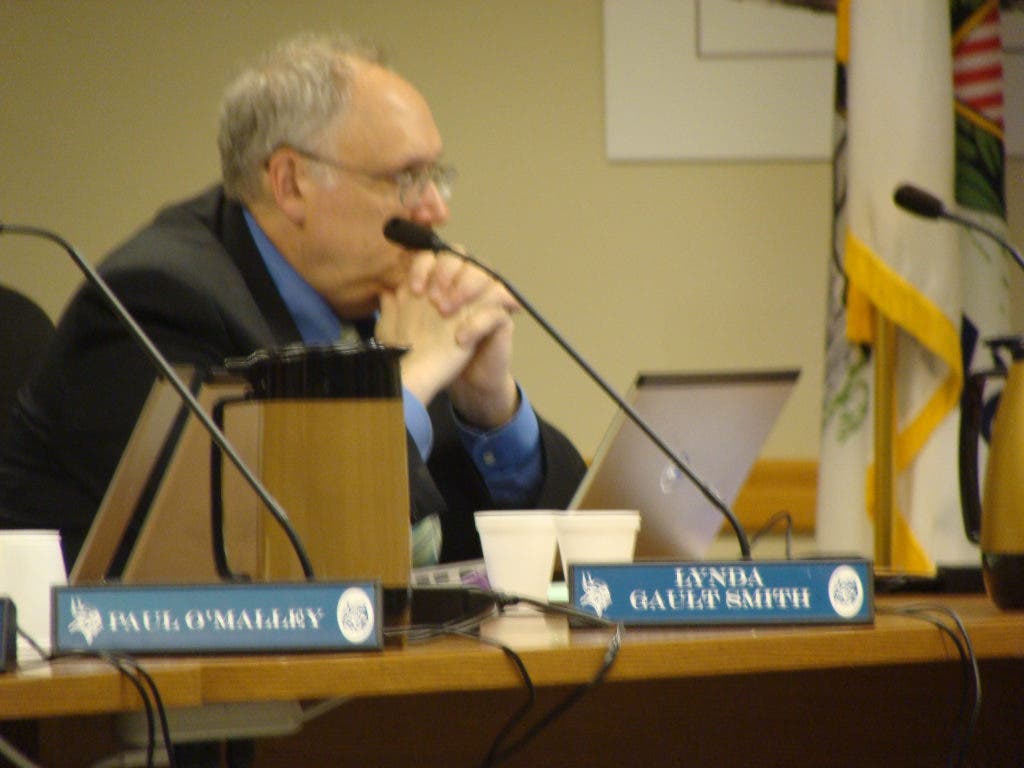
“I don’t think this policy is forcing someone to work,” said board member Lynda Gault-Smith.
Greenspan said that philosophy was not good enough.
“The way this policy reads right now is the district can tell someone, ‘We are not going to honor your religious beliefs and you have to work,’ ” he said. “That is illegal under the First Amendment.”
Heintz said that he did not know of any court cases over religious holidays that cited the First Amendment. They generally cite the Illinois law, with which the proposed policy complies.
"Our concern is that this be as open and tolerant a place as possible," said Pankaj Sharma, president of the Niles Township Federation of Teachers, who attended the meeting.
In the end, school board members decided to table the proposal, and plan to have the policy committee hold further discussions about the changes before their next meeting.