Politics & Government
IL Senate OKs $2 Million Employer Behavioral Health Tax Credit
The legislation authorizes a maximum annual tax credit of $2 million from the Illinois state treasury for the program.

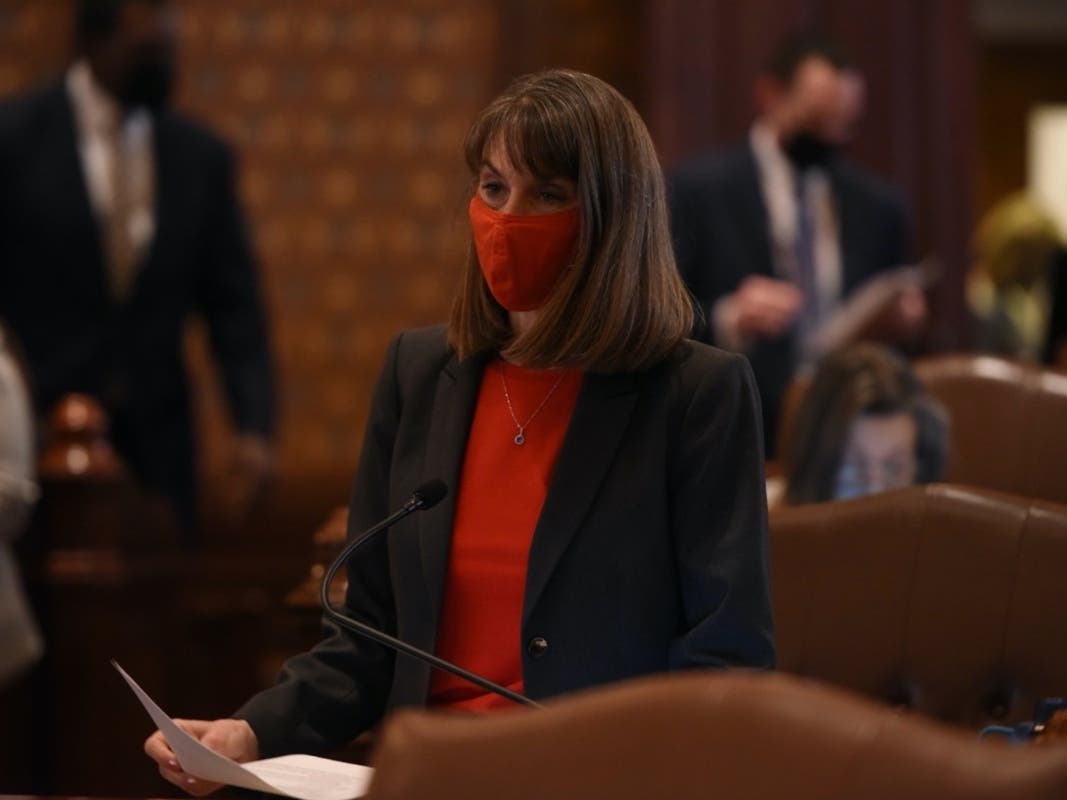
(Springfield, IL) – The Illinois Senate has sent over to the Illinois House a measure that would help bolster the depleted employment ranks of Illinois’ business community with a $2,000 employer tax credit for each employee hired who is working to recover from a mental health or substance disorder.
The Illinois Senate on February 24 approved, 53-0, legislation, SB 3882 sponsored by State Senator Laura Fine (D-Evanston), that would create the Recovery and Mental Health Tax Credit Act providing employers a tax credit of $1.00 per-hour worked per-eligible employee, up to $2,000 for each employee hired and retained for a minimum of 500 hours during a tax year.
“Adding a recovery and mental health tax credit to employers’ human resources arsenal could help reverse the pandemic-driven loss of workers and to help rekindle their ability to recruit new workers,” said Illinois Association for Behavioral Health CEO Jud DeLoss, whose organization has spearheaded the initiative. “It will also help reduce stigma for those in recovery by demonstrating that they are part of the community and should be back working alongside other Illinoisans.
Find out what's happening in Springfieldfor free with the latest updates from Patch.
A qualified employer would be required to provide a supportive recovery environment for the employee, and an eligible employee would voluntarily provide basic information to the employer, subject to confidentiality requirements., according to DeLoss.
The legislation, sponsored in the House by State Rep. Anne Stava-Murray (D-Downers Grove), authorizes a maximum annual tax credit of $2 million from the state treasury for the program.
Find out what's happening in Springfieldfor free with the latest updates from Patch.
In addition to the tax credit itself, the legislation would also create an “Advisory Council on Mental Illness and Substance Use Disorder Impacts on Employment Opportunities within Minority Communities,” DeLoss noted.
“Minority communities across Illinois have disproportionately witnessed their employment opportunities undermined for residents diagnosed with a mental health or substance use disorder,” said DeLoss. “The advisory council would provide oversight and guidance to ensure tax credits were made available to minority communities.”
The legislation is currently awaiting a hearing in the House Revenue and Finance Committee.
davidormsby@daviodrmsby.com