Politics & Government
Pritzker OKs $2M Employer Mental Health, Substance Use Tax Credit
$2,000 employer tax credit for each employee hired who is working to recover from a mental health or substance disorder.

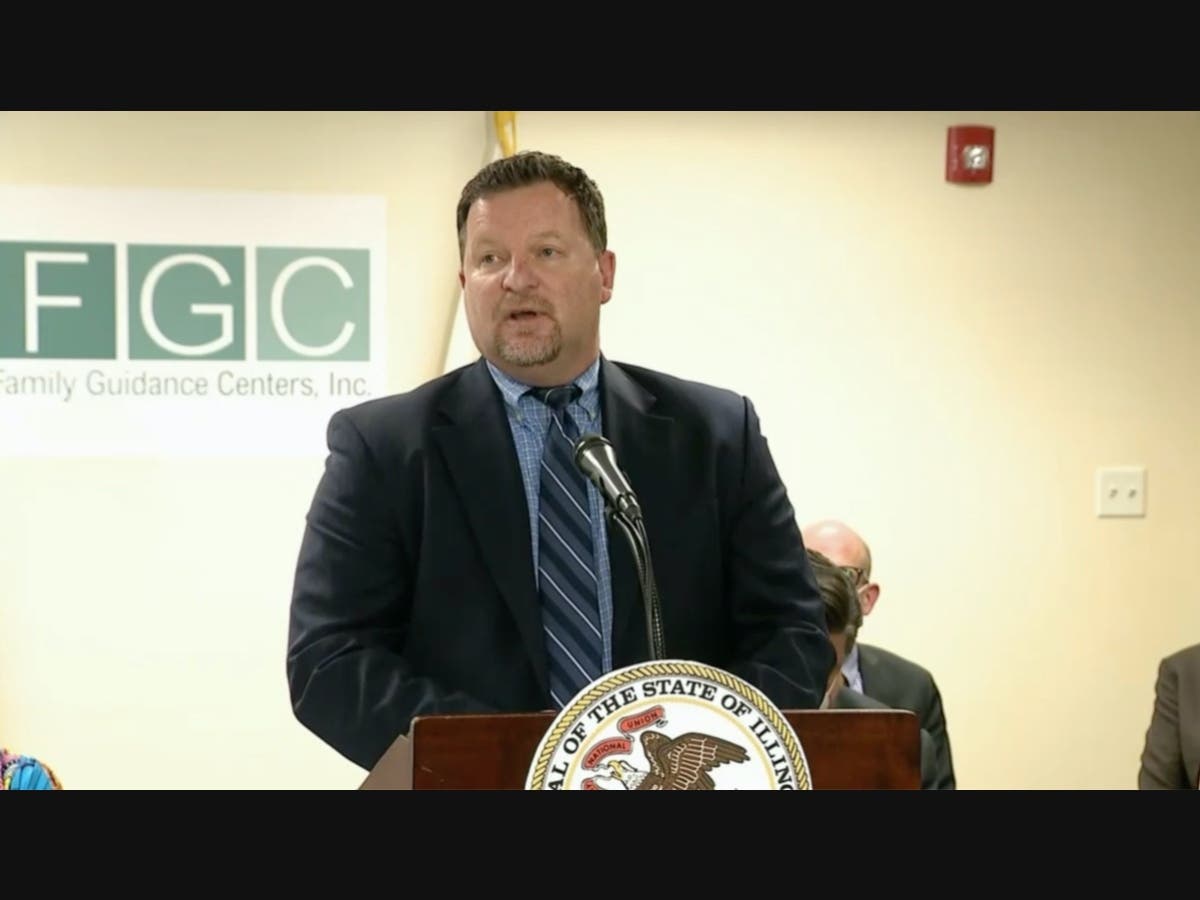
(Springfield, IL) – Governor JB Pritzker signed a measure into law today that would help bolster the depleted employment ranks of Illinois’ business community with a $2,000 employer tax credit for each employee hired who is working to recover from a mental health or substance disorder.
The legislation, Senate Bill 3617, sponsored by State Senator Laura Fine (D-Evanston), that would create the Recovery and Mental Health Tax Credit Act providing employers a tax credit of $1.00 per-hour worked per-eligible employee, up to $2,000 for each employee hired and retained for a minimum of 500 hours during a tax year.
“Adding a recovery and mental health tax credit to employers’ human resources arsenal will help reverse the pandemic-driven loss of workers and to help rekindle their ability to recruit new workers,” said Jud DeLoss, C.E.O. of the Illinois Association for Behavioral Health. “It will also help reduce stigma for those in recovery by demonstrating that they are part of the community and should be back working alongside other Illinoisans, and I am proud that the Illinois Association for Behavioral Health helped write the legislation and get the bill over the finish line.”
Find out what's happening in Springfieldfor free with the latest updates from Patch.
A qualified employer would be required to provide a supportive recovery environment for the employee, and an eligible employee would voluntarily provide basic information to the employer, subject to confidentiality requirements., according to DeLoss.
The legislation, sponsored in the House by State Rep. Deb Conroy (D-Villa Park), authorizes a maximum annual tax credit of $2 million from the state treasury for the program.
Find out what's happening in Springfieldfor free with the latest updates from Patch.
Pritzker says Illinois needs “robust” behavioral health workforce.
“We need a mental healthcare workforce that is robust enough to get people help when they need it—not after months on a waiting list,” said Governor JB Pritzker. “I am proud to sign this mental health omnibus bill—training, expanding, and diversifying our behavioral health workforce—into law. This legislation invests in mental health infrastructure—and that infrastructure is people.”
In addition to the tax credit itself, the legislation would also create an “Advisory Council on Mental Illness and Substance Use Disorder Impacts on Employment Opportunities within Minority Communities, DeLoss noted.
“Minority communities across Illinois have disproportionately witnessed their employment opportunities undermined for residents diagnosed with a mental health or substance use disorder,” said DeLoss. “Thanks to Governor Pritzker’s signature on the bill, an advisory council will be created to provide oversight and guidance to ensure tax credits were made available to minority communities.”
davidormsby@davidormsby.com