Neighbor News
In Defense of Accused Youth Prison Guards
Four 4 youth prison guards arrested St. Charles, IL
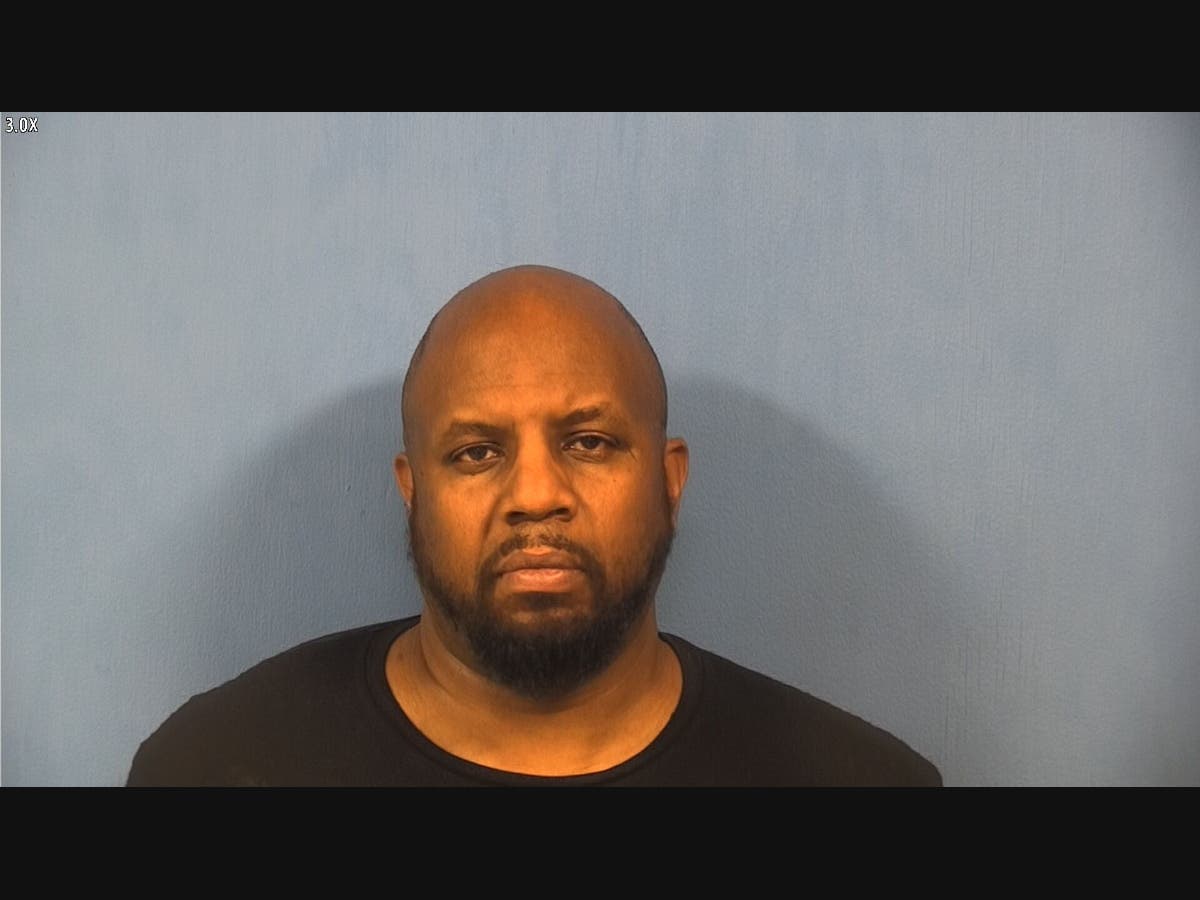
Monday, several Chicago media outlets reported the arrest of 4 youth corrections officers charged with abuse. The reports indicted the most veteran officer as “ring leader” and portrayed the incidents as an orchestrated action.
Having served as an educator for the state prisons over four years and having had the privilege of working alongside not only these four officers but every brave soul who crosses that threshold, I’d like to shed some light on the other side of this story.
In the transitioning environment of reducing “Mass Incarceration,” well-intentioned policies have been enacted in the spirit of juvenile rights. In 2012, the ACLU sued Illinois to improve inmate treatment. Due to the suit, the Illinois Department of Juvenile Justice (IDJJ) appointed several lawyer-advocates with little to no therapeutic, residential, or corrections experience to the roles of director and deputy directors in January 2014. The idea was reform, but their inexperience led to chaos.
Find out what's happening in St. Charlesfor free with the latest updates from Patch.
Confinement was rapidly reduced from a max of 5 days to a max 59 minutes, and restraints were minimized to a reactionary measure (after a youth has made physical contact and only while they’re an active threat: i.e. youth have punched security in the face and immediately put their hands on their head to avoid handcuffs.)
Additional effects included several young men exposing their genitalia to female workers. Some youth would advance on or follow women with their member out. One youth entered a female teacher’s class while openly masturbating.
Find out what's happening in St. Charlesfor free with the latest updates from Patch.
Traditionally, offending youth would be transferred to a different institution. With the closure of 3 youth institutions in a little over 3 years, that ability has been drastically reduced. Instead, victimized female employees repeatedly had to encounter the same sexually explicit youth (often within 24 hours) and those who complained were told, “do your job.”
Gang-representation and threats of violence between youth have exponentially increased because staff’s ability to intervene in those situations has been curtailed. In fact, if one or more security step between youth making threats, and the action escalates to the point of security having to physically prevent youth violence, there is no guarantee administration will protect guards for “doing their job.” Many similar incidents have led to lengthy employee suspensions and contributed to a cautious and muted security culture.
Youth have learned that they are able to scream obscenities in an authority’s face (including the chief of security and wardens) to the point where spit was exchanged. When the youth are exhausted and give up the endeavor, all that will transpire is a disciplinary ticket.
These tickets rarely impact parole (St. Charles has reduced its active population from 300+ to 100 and statewide has reduced from 1,100 to 400 in the past 3 years). Tickets generally have little impact because youth and staff alike don’t perceive that institutional consequences are deterring youth’s rapidly intensifying behavior.
During January 2016 (the month the aforementioned officers are accused of abuse), 23 youth engaged in a brawl within 10 minutes of school entry. It took between 40-50 employees (teachers, counselors, therapists, and maintenance on top of security) to quell the riot, and pepper-spray was used 7 times. Due to caring and timely intervention, no one was seriously hurt and all parties involved were back where they belonged by end of shift.
The next day, approximately 19 youth fought in the dietary during lunch.
Several of the youth involved were the same.
The resulting institutional plan was to educate youth exclusively with members of their living unit. It was proposed that walls be erected to section off educational hallways because that was the only plausible way to keep opposing youth separate. Living units now tend to be segregated by gang which in turn tends to segregate them by race.
The failing structure, programming, and training in St. Charles have led over 50% of educators to transfer, resign or retire in 2016 without replacement. Fearful of bodily harm and exposed to incessant verbal abuse, a significant number of the approximately 7 security classes who have started in the past 3 years have resigned within their first 6 months. As many as 70-80 St. Charles employees have been off on workman’s comp at one time. This is all at great expense to taxpayers.
Three of the four accused have less than three years on the job. In that time, they’ve been introduced to three different behavior programs. During the ACLU consent decree, these programs have been implemented in succession with minimal impact or success. Positive Behavior Interventions and Supports (PBIS) was used to discourage any physical incidents with youth, and employees were trained that if they had a good enough relationship with the kids, things would go smoothly. This led novice staff to engage in ineffectual begging and deal making with deviant and manipulative youth. The Crisis Prevention Institute was soon introduced.
I participated in CPI training and logged 200 restraints in my two years with a mental hospital. It is a good system. Police even appreciate it because an out-of-control person can be shackled easily from the floor restraint position.
The problem: IDJJ security was never trained the floor position. Instead, if an offender continues to struggle through the standing (prone) position, security was instructed to revert back to old Department of Corrections training and arrest them. DOC takedown training was discontinued 3 years ago, and officers who do know DOC takedowns are hesitant using them because they could get suspended, fired, or now, arrested.
ERT shield training was quickly rolled out by August of this year when St. Charles was equipped with full-sleeve upper-body armor and helmets complete with face shields. Our written procedure still encourages the use of CPI with ERT as a last resort, but you’d be hard pressed to find any employee who could explain how and/or when either is appropriate or how to transition from one to the other based on youth escalation.
Also in August, three director’s office administrators toured several facilities to have a round table discussion regarding the issues implementing PBIS. The administrators acknowledged common problems and agreed to consensus proposed solutions but haven’t implemented anything since.
The day after the initial arrest reports, the Deputy Director of Labor Relations for the state circulated an email that the state would be moving forward on “Health and Safety” and “Workplace Violence” task forces that have been part of the 18-month-long contract negotiations.
The state has been aware of the crumbling conditions and has negligently delayed action. What’s worse, four men have been arrested, hundreds of public employees have suffered abuse to the point of trauma, and thousands of at-risk youth have been released worse-off than they entered.
Four accused security will appear in court, and their attorneys should use the constantly shifting and impossible conditions that we face daily to defend men who probably believe what they did was the best course of action given the tools they had.
Going forward, qualified people must make timely decisions about comprehensive restorative programming that has a rippling impact around the state of Illinois.
-Jonathan Masters wrote The Throwaway Kids about his experiences with at-risk youth. For more information, visit www.widerlensproductions.com.