By Judy Thomas, LCSW
Webster's defines speedup as "an employer's demand for accelerated output without increased pay," and it used to be a household word.
It also describes what has been happening to workers on all levels in the new economy. The double-speak term used today is “productivity.” We all want to be “productive” but the ever-increasing demands to achieve that result can inflict stress-related damage on our brains. As a consequence, we experience reduced efficiency in our performance.
Find out what's happening in St. Charlesfor free with the latest updates from Patch.
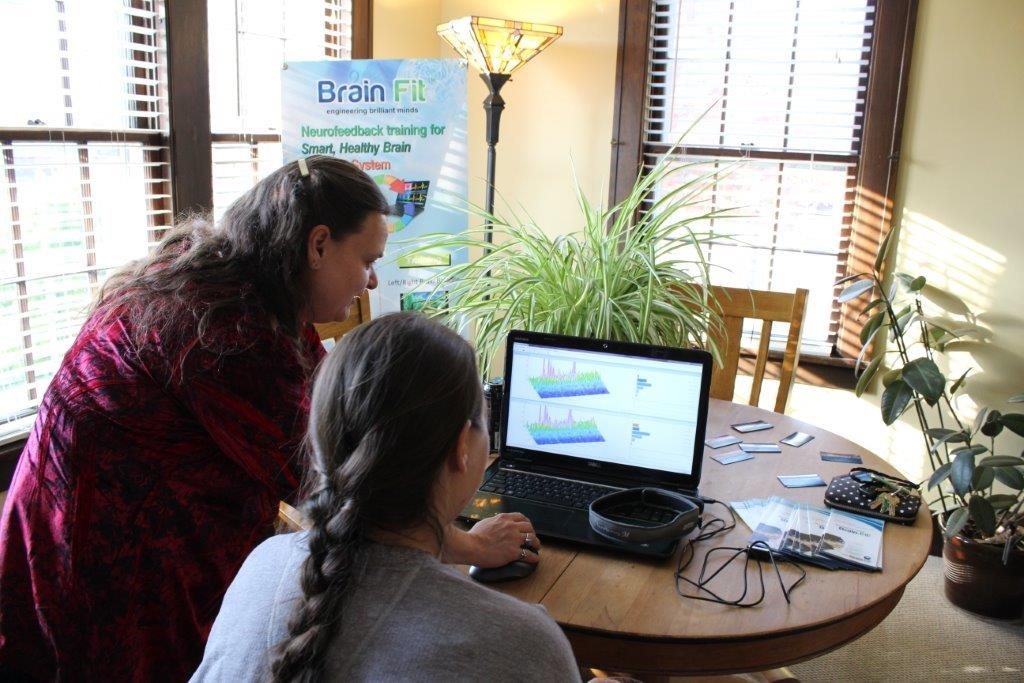
While we can’t change the economy or erase the demands of our careers, one step we can take to change our brains is regular training with neurofeedback. In the process, we can both repair stress-related loss of function and increase our cognitive performance and overall focus.
One major impediment to efficiency and productivity is sleep deprivation, which has reached epidemic proportions in our society. Whether you have trouble getting to sleep, suffer from frequent disruptions over the course of the night or find yourself waking early without the ability to get back to sleep, neurofeedback training can offer help.
Find out what's happening in St. Charlesfor free with the latest updates from Patch.
Improved quality and quantity of sleep is one of clients’ most frequently cited benefits of regular neurofeedback training. Clinical studies that focus on insomnia as well as on more general sleep improvement echo these anecdotal reports.
One troubling trend is the increasing prevalence of individuals who do not actually have an attention deficit disorder using ADD/ADHD drugs to improve their ability to focus and to upgrade their performance. Meanwhile, studies have shown that regular neurofeedback training strengthens alpha and beta wave activity while reducing theta and delta activity—results that are similar to stimulant drugs but without the problematic side effects.
Neurofeedback has been approved by the FDA for psychological stress reduction. And while the most rapid results have been reported by those having multiple sessions a week, even single weekly sessions provide beneficial results.
Regular training with neurofeedback can help reduce the negative effects of the increasing demands of our demanding economy, resulting in improved efficiency and improved life satisfaction. And it can be a fast-track of sorts: a common report from people using neurofeedback for stress reduction is that it is like months of meditation compressed into a few weeks of sessions.
Now that is a much better brand of speedup.
Judy Thomas is a Licensed Clinical Social Worker with a Masters from Jane Addams School of Social Work at the University of Illinois. She has additional training in EMDR, DBT, Anger Management and Substance Abuse Treatment.
Her more than 15 years of experience in the social service/mental health field has included work in Outpatient Community Mental Health, Day Treatment Programs, Inpatient Substance Abuse Treatment and Child Welfare and Support Programs for Teens.
She can be reached at judy@novocounsel.com.