Neighbor News
Sportsmanship Imitates Life
Respect is the underlying core element of sportsmanship. It's respect for the team, coaches, other players, officials, and the game itself.
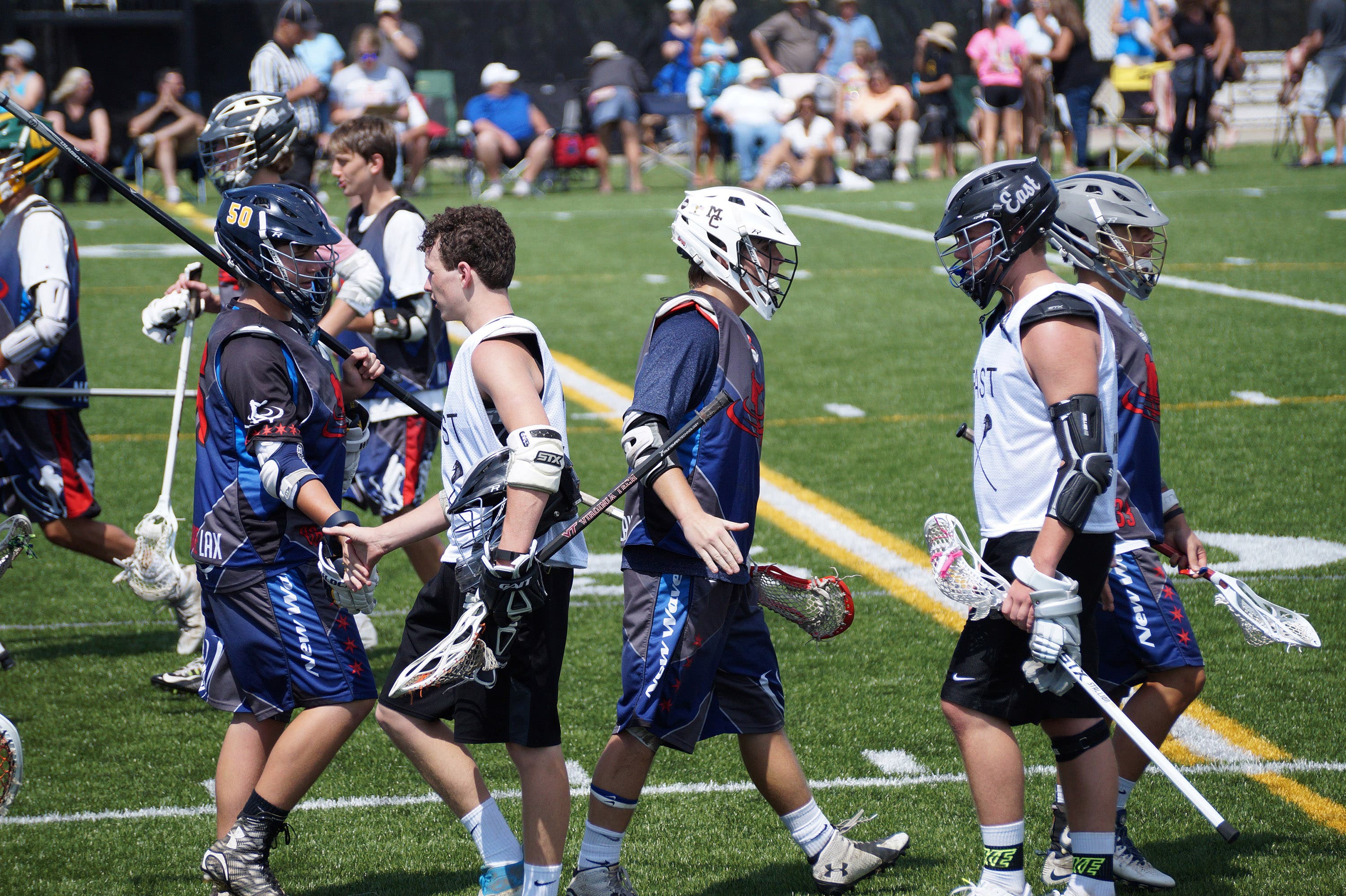
When asked what “sportsmanship” means to them, the kids at New Wave’s Summer Lacrosse Boot Camps gave varying answers. Some said that sportsmanship was “shaking hands after the game.” Others said that it was “being nice to the other team” or “not playing dirty.” All of their answers were correct, but these answers only scratched the surface of what sportsmanship truly is.
As parents, coaches, and team leaders we teach the importance of sportsmanship by displaying respectful behavior and telling kids to do the same. But are we really helping them build a deeper understanding of what sportsmanship actually is and how it carries over into our lives, or are we just giving them a superficial understanding of what one is supposed to do to be considered “sportsmanlike”?
Sportsmanship all boils down to respect.
Find out what's happening in St. Charlesfor free with the latest updates from Patch.
Respect is the underlying core element of sportsmanship. It’s respect for the team, coaches, other players, officials, and the game itself. Respecting your team and your coach can be embodied in putting team goals ahead of your own. Respecting other players and officials can be attained by obeying the rules of the game and not bending them on the sly. We can also respect the game by not only obeying the rules but making an effort to understand them fully. This goes for not only the players, but coaches, parents, and fans on the sideline.
Great leaders don’t tell you what to do; they show you how it’s done.
Find out what's happening in St. Charlesfor free with the latest updates from Patch.
Remember this year’s Superbowl? In the final seconds, Tom Brady took a knee to end the game and seal a Patriots victory. But the action didn’t end there. After the final play, both teams went head to head in an all-out brawl broadcasted all over the globe as we hung our heads in embarrassment. How many young athletes were watching that game? What does that say to them when professional athletes they idolize throw punches in frustration after losing an important game?
We’re going to state the obvious here: children learn by example. When kids see professional athletes act like children after a tough loss, mom and dad heckling the referee from the sidelines, or their coach talking smack about the other team’s coach, it resonates. Without the proper perspective, they think that if their coach or parent does it, let alone their favorite athlete, it must be acceptable behavior. As adults, we may lose our cool once in a while, especially when we feel personally wronged or frustrated. But we can choose how to harness it in front of those who are still learning what it means to be an athlete. Harnessing your energy, however, does not just apply to losing.
When You Succeed, Show Humility
A sore winner is just as bad as a sore loser. Although a win is exciting and fun, gloating about it is not going to make it more exciting. Like losing, we must also keep winning in perspective. Winning doesn’t mean you were perfect; there are always areas in which we can improve. This does not mean we can’t celebrate our victories with our teammates, coaches, friends, and families, but celebrate with grace. We should be mindful that our opponent is simultaneously facing a disappointment. Since we all have experienced tough losses, it should be easy to have empathy for the losing team. However, maintaining a balance between sincerely relishing in your own accomplishment, while not adding to your opponent’s grief, can be extremely difficult. A good start is to acknowledge the losing team. Let your competitors know that they were worthy adversaries, pointing out specific instances in the game in which they dazzled. Victory is significantly cheapened when you dismiss your opponent’s worthiness.
Sportsmanship Imitates Life
Sportsmanship doesn’t end with your sports career. Instead of thinking of the tenets of sportsmanship in relation to sports, think of them in relation to almost any profession. What employer wouldn’t want employees who:
- Treat everyone with respect
- Put company goals ahead of their own
- Pick up their co-workers
- Learn and understand the business
- Always try their best
- Take care of company property
- Wear uniforms properly (dress appropriately)
- Are punctual
Like life, sports are hard and not always fair. Therefore, sports can be a fantastic training opportunity for many of life’s challenges. Much like we win or lose in sports, we also deal with successes and failures in our lives. We are never a finished product. Those who respect others, handle failure with grace, and wield success with humility, will not only be better teammates and employees; they will also be viewed as leaders on their teams, in their professions, and in their communities. It is a top priority of New Wave Lacrosse to equip staff, parents, and coaches with the tools, knowledge, and framework for instilling a full understanding of sportsmanship and its significance in all of our lives, both on and off the field.