Health & Fitness
St. Charles Woman is First Human Case of West Nile in Kane County This Year
This is the first reported human case of West Nile Virus so far this year in Kane County.


Subscribe to Patch Alerts and Our Daily Email Newsletter
The Kane County Health Department is reporting that it has recorded the first case of West Nile Virus this season.
Find out what's happening in St. Charlesfor free with the latest updates from Patch.
A 51-year-old St. Charles woman reported feeling ill last month but was not hospitalized and has since recovered.
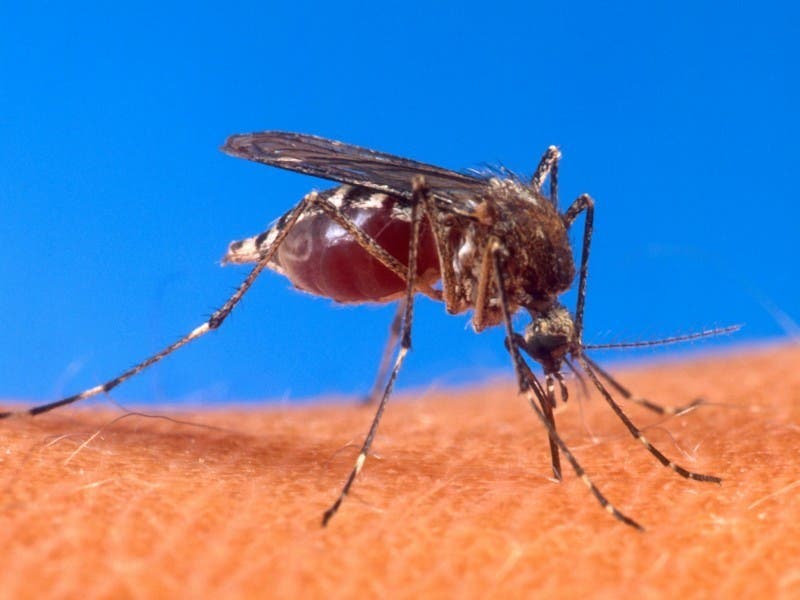
This summer has been relatively hot and dry, the perfect combination for the Culex mosquito, the species that is known to carry the virus, and it is possible that we will see more cases in people before the season is over. The Health Department monitors for WNV activity in your area and throughout the county. You can visit our Web site at kanehealth.com/wnv_surveillance.htm to view a map of the trap locations throughout the county.
Find out what's happening in St. Charlesfor free with the latest updates from Patch.
More information about historical West Nile activity in Kane County, is available by visiting kanehealth.com/west_nile.htm.
West Nile virus is transmitted through the bite of a mosquito that has picked up the virus by feeding on an infected bird. Most people with the virus have no clinical symptoms of illness, but some may become ill three to 14 days after the bite of an infected mosquito.
Only about two persons out of 10 who are bitten by an infected mosquito will experience any illness. Illness from West Nile is usually mild and includes fever, headache and body aches, but serious illness, such as encephalitis and meningitis, and death are possible. Persons older than 50 years of age have the highest risk of severe disease.
The best way to prevent West Nile disease or any other mosquito-borne illness is to reduce the number of mosquitoes around your home and to take personal precautions to avoid mosquito bites. Precautions include:
- Avoid being outdoors when mosquitoes are most active, especially between dusk and dawn. Use prevention methods whenever mosquitoes are present.
- When outdoors, wear shoes and socks, long pants and a long-sleeved shirt, and apply insect repellent that includes DEET, picaridin or oil of lemon eucalyptus according to label instructions. Consult a physician before using repellents on infants.
- Make sure doors and windows have tight-fitting screens. Repair or replace screens that have tears or other openings. Try to keep doors and windows shut, especially at night.
- Change water in birdbaths weekly. Properly maintain wading pools and stock ornamental ponds with fish. Cover rain barrels with 16-mesh wire screen. In communities where there are organized mosquito control programs, contact your municipal government to report areas of stagnant water in roadside ditches, flooded yards and similar locations that may produce mosquitoes.
Additional information about West Nile virus can be found on the Kane County Health Department’s Web site atwww.kanehealth.com/west_nile.htm or the Illinois Department of Public Health’s Web site at www.idph.state.il.us/envhealth/wnv.htm. People also can call the IDPH West Nile Virus Hotline at (866) 369-9710 Monday through Friday from 8 a.m. to 5 p.m.
Source: Kane County Health Department press release
FOLLOW Patch on Facebook
Get more local news delivered straight to your inbox. Sign up for free Patch newsletters and alerts.