Neighbor News
What's a bulging disc and how do you treat it?
Bulging discs are common and can cause pain and possibly disability. Read on to learn more about disc bulges and how to treat them.

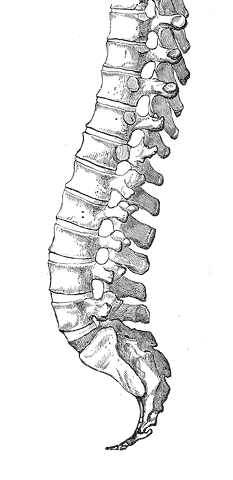
Disc herniation or bulging disc
Chances are, if you’re reading this you or someone you know has had a disc problem. You might have called it a disc herniation, disc bulge, slipped disc etc. In general these terms all mean about the same thing (though ”slipped disc” is anatomically inaccurate). Whatever you choose to call it, it is very common, especially if you’re a man and if you are between 35 and 55 years old. If you have experienced the aggravatingly, annoying and quite intense pain of a disc bulge, you should know there are treatment options that can provide relief.
But first, what is a disc?
To understand what a disc herniation is, you must first know what a disc is. The spinal disc has a gel like center that is surrounded by a stronger outer ring. These discs are found in between the bones of the spine, called vertebrae. Their main purpose is to absorb shock as we walk, run, move and go about your daily life. You will find a vertebra, disc, vertebra pattern throughout your spine and it creates the spinal column. Your spinal cord is housed within the spinal column and as it runs from your brain down to the end of the column, separate nerves come off of the cord and supply different parts of our bodies. These nerves take information from the brain to the muscles and tell them to move and take sensory information back from an area of the body to the brain to tell the brain if something is painful, hot, cold etc.
So, what is a disc herniation?
A disc herniates when there are small tears in the stronger outer ring of the disc, allowing the gel like material to bulge through the outer ring. When this material bulges out it can irritate or squeeze one of the nerves coming off of the cord. This irritation causes inflammation, swelling and pain! Alternatively, the outer ring may not be torn but might be weakened, which still allows the inner gel like substance to protrude which will still cause inflammation and pain. Often times this bulge occurs off to one side and towards the back, which is why you may feel weakness or pain radiating down one leg. Basically, that bulging disc material is irritating a nerve that either controls motor function of that leg or relays pain information back to the brain.
Find out what's happening in St. Charlesfor free with the latest updates from Patch.
Well, why did my disc bulge?
There are a lot of reasons why a disc herniation can occur. It can happen from something as simple as bending over to pick up the morning paper on the front step to something as traumatic as a car accident. Both of these events can cause the weakening or tears in the outer ring of the disc. A physically traumatic event can drive enough force to damage the outer ring of the disc and cause the inner gel to bulge immediately. However, bending over to pick up the morning paper with repetition and over time causes a slow deterioration because of repetitive pressure on the same part of the disc. This repetitive pressure is caused by poor posture whether it is while you are sitting, sleeping, lifting or anything else you might be doing in your daily life. That is why proper ergonomics and posture are so important to learn and implement.
Okay, so help me treat my disc herniation!
First and foremost it’s important to make some lifestyle modifications (posture and ergonomics mostly), because you want to eliminate those repetitive stressors on the disc. Next, specific physical therapy exercises meant for your particular disc herniation will help push that disc away from the nerve and decrease pain. Lastly, manipulation and other manual therapies (as performed by a Chiropractor) have been found to be effective in treating disc herniation. This particular study shows 90.5% of the 148 patients felt improvement in low back and leg pain that had resulted from a disc herniation because of chiropractic manipulation. In general, when patients are receiving all three of the above treatment options they experience greater improvement, quicker. You might have also noticed that surgery was not on the treatment list. This is because most disc bulges do not require surgery; however, there are exceptions and every case is different. Therefore, you should always seek the advice of a qualified healthcare professional. At White Oak Family Wellness we use stretches, postural training, physical therapy exercises, manual therapies and manipulation to get you back to your daily life as quickly as possible.
Find out what's happening in St. Charlesfor free with the latest updates from Patch.
For a more in depth discussion on bulging discs and treatment check out this article. If you have questions or comments please feel free to leave them in the box below.
Phillip Gamble, DC
Chiropractic Physician
White Oak Family Wellness
405 Illinois Avenue #2b
St. Charles, IL 60174
Phone: (630) 442-0057