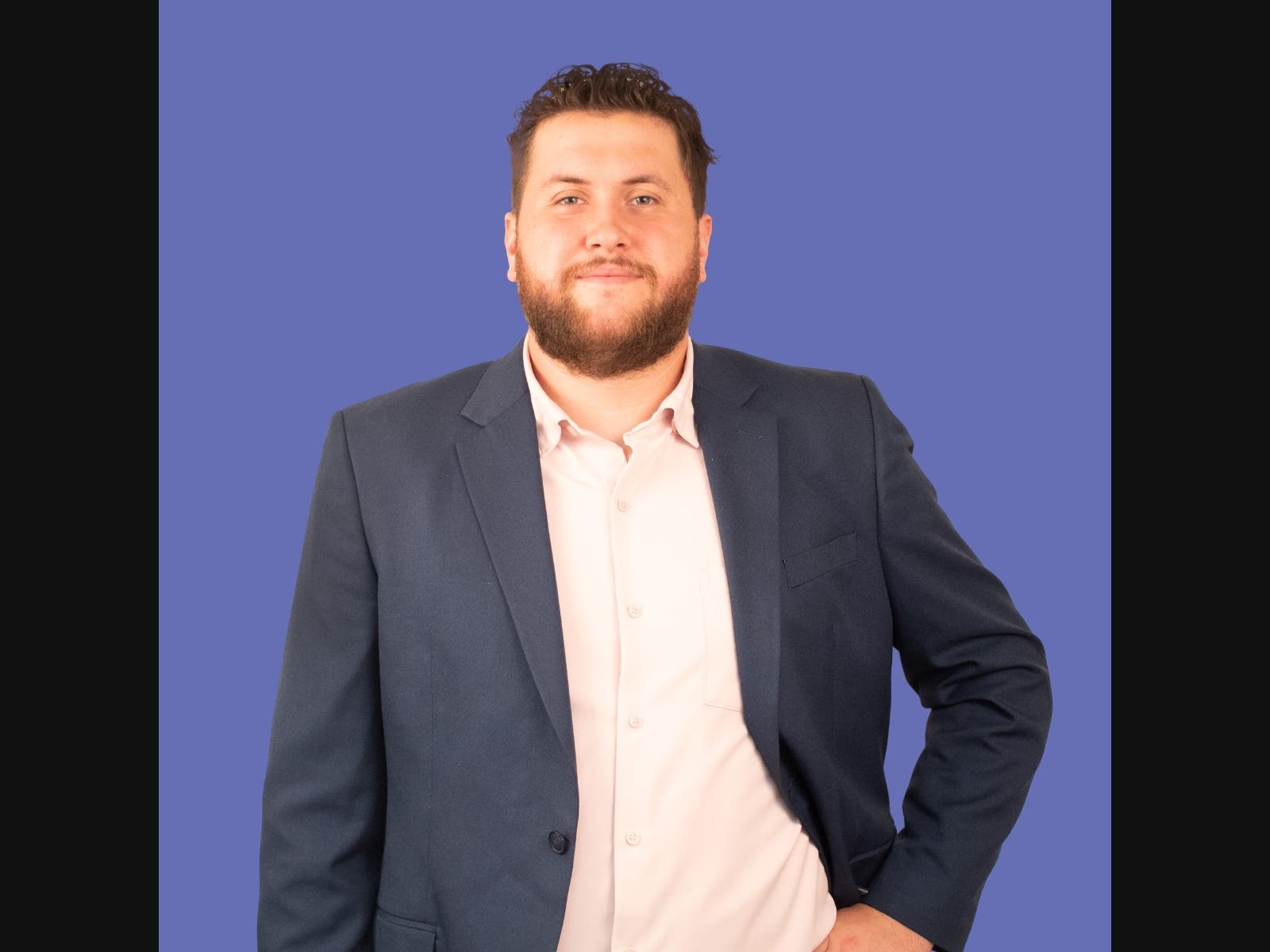
Iroquois Paving Corporation, a long-standing infrastructure contractor in Illinois, has been active in making political contributions since 1999. However, a notable shift in its campaign donation strategy emerged in 2021, when One Tinley Park, a political group run by Mayor Mike Glotz, began receiving contributions. Since then, One Tinley Park has received a total of $10,950 from Iroquois Paving, with the most recent donation recorded on December 7, 2024. No other political candidate or group from Tinley Park received donations prior to One Tinley Park.
This development comes against the backdrop of Illinois' troubled history with "pay-to-play" schemes, where political contributions are allegedly linked to public contracts. Given this context, the financial relationship between donors and One Tinley Park and the mayor warrants closer scrutiny.
Payments from the Village of Tinley Park to Iroquois Paving Corp
Find out what's happening in Tinley Parkfor free with the latest updates from Patch.
- 2013: $2,158,088.93
- 2014: $241,108.61
- 2015-2018: $0
- 2019: $676,530.51
- 2020: $0
- 2021: $285,863.94
- 2022: $2,231,242.75
- 2023: $2,839,923.24
- 2024: Amount yet to be disclosed
The payment data reveals a sharp increase in payouts to Iroquois Paving in recent years, with 2022 and 2023 marking the highest totals during the period analyzed. Notably, these years align with the period in which One Tinley Park began receiving donations from the company. While there is no direct evidence to suggest wrongdoing, the timing and magnitude of these payments raise important questions about the intersection of politics and public contracting in Tinley Park.
Broader Implications
Find out what's happening in Tinley Parkfor free with the latest updates from Patch.
Illinois has a storied history of corruption and ethical lapses in government, often revolving around lucrative public contracts and campaign contributions. The state's "pay-to-play" scandals have underscored the need for transparency and accountability in political fundraising and procurement processes. In this context, the case of Iroquois Paving Corporation and its financial ties to Tinley Park merits further investigation to ensure that public funds are being awarded based on merit rather than influence.
What’s Next?
As 2024 financial disclosures become available, additional analysis will be necessary to determine whether the trend in questionable donations continues. Furthermore, local watchdog organizations and investigative bodies may take a closer look at the relationship between campaign donations and public contracts in Tinley Park, as part of broader efforts to safeguard ethical governance in Illinois.
Not all donors have bad intentions—far from it. Many contribute to support causes and candidates they genuinely believe in. However, there are instances where politicians can exploit their power or access to inside information to gain leverage over potential donors, influencing donations for personal or strategic advantage.