Neighbor News
The Psychology Behind Liking Your Own Comments: A Cause for Concern?
Self-reacting: a harmless quirk or a red flag? Tinleys Parks urges vigilance - if you see something, say something. The more you know...

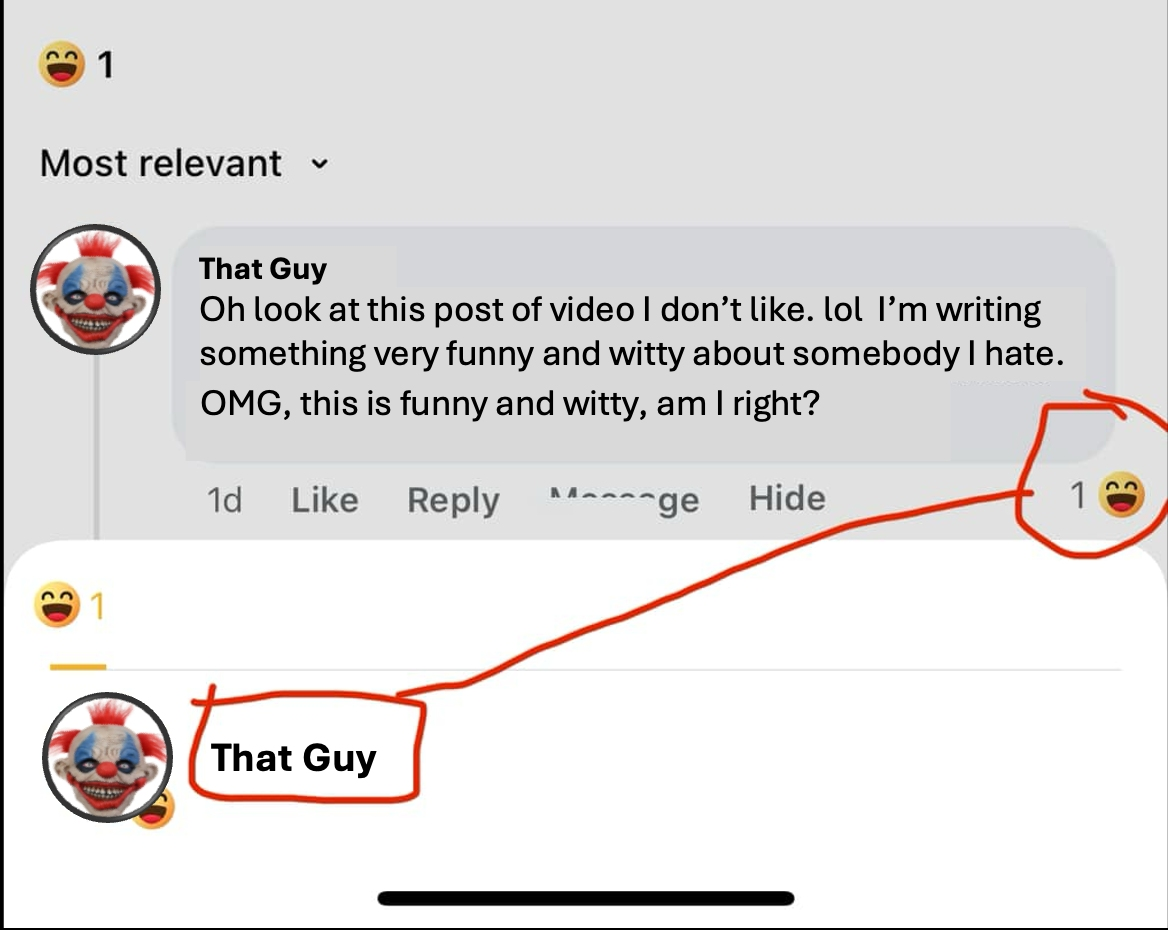

Tinley Park, IL - The Tinleys Parks Editorial Board has noticed an alarming tendency among some readers to “self-react” to their own comments. In the interest of public well-being, we’re providing this notice and urge all friends and family members to be on the lookout for red-flags. If you see something, say something. It’s easy to ignore this behavior or dismiss it as someone who just thinks they’re funny, when nobody else does. But it’s more likely a sign of serious psychological issues, often a trauma response from childhood interactions with clowns or Democrats.
Self-reacting to one’s own comments on social media—whether with “likes” or laughing emojis—may seem harmless, but it could carry deeper psychological implications. Experts suggest that this behavior might reflect an inflated sense of self-importance or a strong need for external validation.
Dr. Evelyn Carter, a behavioral psychologist, explains, "This type of behavior can sometimes align with narcissistic traits, such as a craving for admiration or self-promotion. While not inherently harmful, patterns like these may warrant closer observation if accompanied by broader egocentric tendencies."
Psychopathy, characterized by impulsivity and a lack of empathy, has also been linked to overtly self-affirming behaviors. While clicking "like" on one’s own comments is far from diagnostic, it could be part of a broader pattern of attention-seeking or socially manipulative actions.
Families and close associates are advised to remain aware of such patterns. "If the behavior becomes repetitive or is paired with other concerning tendencies, it may be worth seeking a professional opinion," Dr. Carter emphasizes.
Understanding these dynamics helps us distinguish between harmless online quirks and behaviors that may signal deeper personality traits needing attention.
The more you know…