Politics & Government
Rain Gardens Opposed In Western Springs Subdivision
Village wants green features to reduce flooding in neighborhood. Residents doubt they'll work.


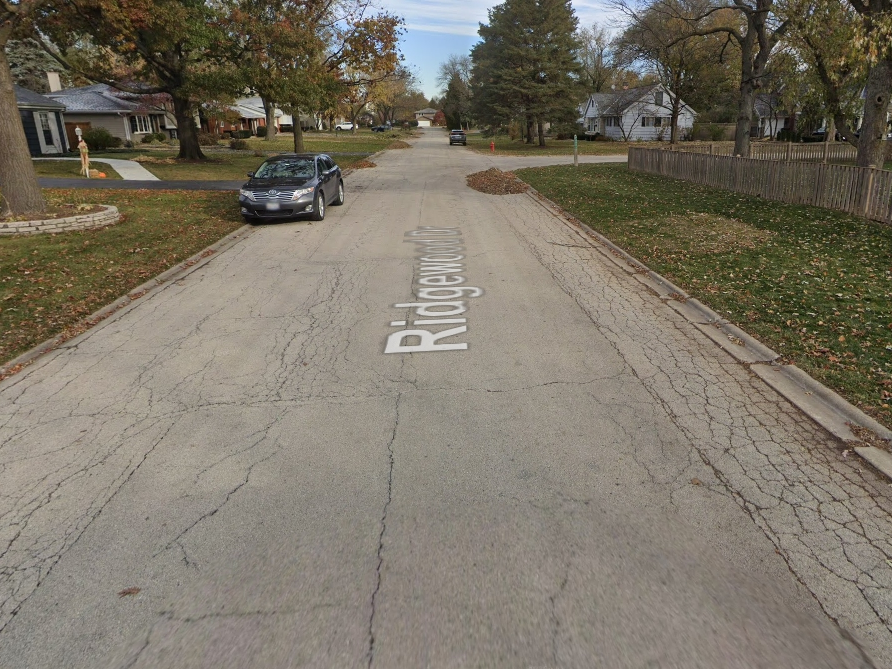
WESTERN SPRINGS, IL — Western Springs is proposing green features such as rain gardens to lessen flooding in a local subdivision.
But officials face a stumbling block — many residents are opposed.
For months, the village has been working on including green features as part of a street project in the Ridgewood subdivision in the village's far southwestern corner. The main feature would be rain gardens, which are ditches where plants absorb rainwater.
Find out what's happening in Western Springsfor free with the latest updates from Patch.
On Monday, the Village Board was told that the village chose the rain gardens because they were cheaper and aligned with the village's plan for more green infrastructure. Traditional drainage projects, officials said, cost more.
More than 200 people have signed a petition against the rain gardens, according to the village. And one of the residents told the board that 75 yard signs reading "No Rain Gardens in Ridgewood" now dot the subdivision.
Find out what's happening in Western Springsfor free with the latest updates from Patch.
The village held a virtual meeting about the project Aug. 24, but no residents participated. The village posted a video of the presentation on its website.
It later held an outdoor meeting at Ridgewood Park on Oct. 21. Eighteen residents showed up.
"We received a majority of positive feedback at the meeting," said Casey Biernacki, assistant director of municipal services. "In the weeks to come, we did receive quite a bit of negative feedback based on the green infrastructure part of the project."
He also said the village received messages from two residents on Ridgewood Drive who supported the project. That street is the lowest point in the subdivision and as a result, most prone to flooding.
In response to the criticism, Biernacki said the village is seeking cost estimates for alternative ways to lessen flooding. He said the village planned to do the project next year.
At Monday's meeting, residents had a number of concerns with the rain gardens — that they would not curtail flooding, that they would hurt the subdivision's appearance and that they would lower property values.
Trustee James John, who lives in the subdivision, said many residents have contacted him.
"It does seem to be a pretty consistent push against this," John said. "This is a big impact on residents' yards and how the neighborhood looks. We really need to think about this."
During public input, resident Bob Lack praised the street project, but doubted the rain gardens would work.
"I think the village is completely misinformed on putting green gardens in my front yard and across the street. I don't think they're going to do any good whatsoever," said Lack, who lives on Grand Avenue.
Rachel Wolf, who bought her Ridgewood Drive house in the summer, said she was upset with the village's proposal.
"I'm not upset for aesthetic reasons on the rain gardens," Wolf said. "The amount of water that a rain garden will drain away will not cover this amount of water."
She said she did not know about the meeting last month, nor did 10 neighbors on her block with whom she spoke.
Resident Betsy Parrino, a Grand Avenue resident, said the village should have sought residents' input a year ago. She said she and others learned of the October meeting the same day. They were notified by the neighborhood association president, who said she had just found out.
"My concern is why did the village not actively pursue direct homeowner input on such a major project," Parrino said.
However, Mark Rehn, a resident on Oak Lane, said he received a letter about last month's meeting more than two weeks before, "so I'm confused on why so many residents say they didn't know anything about it."
He called rain gardens a "potential solution," but said he would like to see a cost analysis of the options.
"To dig up the streets and put in new sewer systems might be financially impossible," Rehn said. "The number associated with that would have to make the rain garden cost seem very small."
Village President Alice Gallager said the village wanted to work with residents. It was never the board's goal to work against residents, she said.
Get more local news delivered straight to your inbox. Sign up for free Patch newsletters and alerts.