Politics & Government
Western Springs' Mosquito Fighting Efforts Underway
Village works with Desplaines Valley Mosquito Abatement District on treating pests
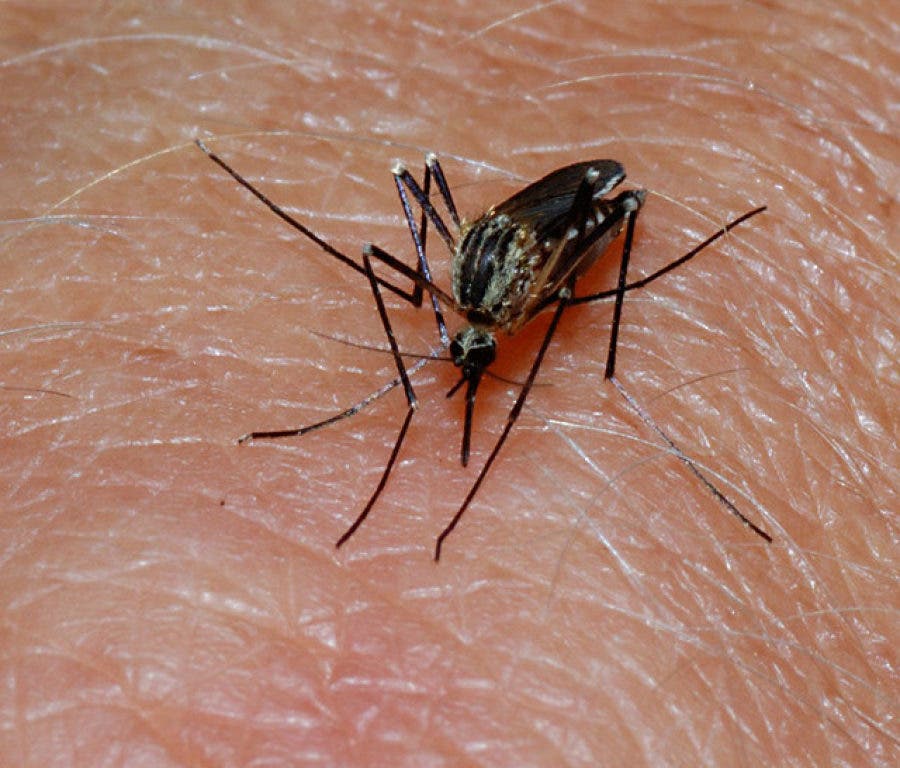
The is staying on top of the mosquito population by working with the Desplaines Valley Mosquito Abatement District, an independent municipality, established in 1927 by the “Mosquito Abatement Districts Act” which provided for the organization of tax supported mosquito abatement districts within Illinois.
"We begin treating for mosquito control as soon as the larvae are found in significant numbers. This year, because of a very cool spring, our control efforts began in early May," reports Paul Geery, assistant manager/biologist with the Des Plaines Valley Mosquito Abatement District.
"This is fairly late. Quite often we begin treatment in March or early April. The first treatment in Western Springs began on May 11, 2011. This was in standing surface water like ditches, retention ponds and low areas that hold water, etc. We began treatment of storm-water catch basins on May 20."
Find out what's happening in Western Springsfor free with the latest updates from Patch.
According to Geery, the pesticides used in mosquito control are registered and approved for that use by the US EPA. Additionally, the Illinois Department of Agriculture approves which pesticides are allowed for use in Illinois as well as licensing personnel that apply pesticides within Illinois.
"The primary larvicide we use in mosquito control is specific to mosquito larvae and blackfly larvae with very little effect on other insects let alone larger animals," exlains Geery. "Other larvicides used are also of very low toxicity to anything but mosquito larvae."
Find out what's happening in Western Springsfor free with the latest updates from Patch.
The District treast for all mosquito species including the group that can carry West Nile Virus (WNV). Most often human casesof WNV appear later in the summer around mid to late July through September or early October although the virus is always present at some level all season.
"From the beginning of the season we put as much pressure as possible on the mosquito species that can be involved in WNV transmission," says Gerry. "Generally, WNV starts the season at a very low level and depending on the weather, builds to higher levels throughout the summer cycling between birds and mosquitoes. As the levels of WNV builds, it increases the likelihood of spilling over into the human population. Temperature is a major factor in how high the risk of WNV will be. The higher the temperature the faster the WNV builds and the more likely the potential for human cases."
How long the mosquitoes will be around is driven by local weather conditions.
"With the recent heavy rains throughout the area, we are seeing an influx of nuisance species in the near term," shares Geery. "What the rest of the season holds is as predictable as the weather! How long the mosquito season lasts depends on when colder weather sets in. It can be as early as mid-September or last through October in to November."
The District offers resident sthe following suggestions for dealing with mosquitoes:
- Throw away all trash that can hold water (cans, jars, tires, etc.).
- Clean rain gutters and downspouts to prevent water from standing in gutters or on flat roofs.
- Change water in bird baths, wading pools, etc. at least once a week. Maintain swimming pools properly.
- Keep ditches and streams on or around property free of grass clippings, garbage, and other debris to insure proper flow.
- Stack pails, barrels, tubs, wheelbarrows, and similar containers upside down.
- Stock ornamental ponds with goldfish or other surface-feeding fish to control mosquito production (mosquitofish are available free from the District when available).
- Clean out and fill treeholes.
- Dispose of used tires properly. The District is a licensed waste tire hauler, and is able to take tires to a shredding facility. For residents with four or fewer tires to dispose of, contact the District for assistance.
- Notify the District of areas of standing water that stays for more than one week that you are unable to eliminate.
The Desplaines Valley Mosquito Abatement District encompasses 77 square miles the Des Plaines River and Salt Creek valley in the western suburbs and is comprised of Lyons, Oak Park, Proviso, Riverside, and River Forest townships and includes thirty one villages.