Health & Fitness
Human West Nile Cases Confirmed In Will, DuPage Counties
Two women have contracted the first human cases of West Nile in both counties this year.


AURORA, IL — Two human cases of West Nile virus have been confirmed in Will and DuPage counties, saying one case each has been reported in Aurora Wheaton. A 38-year-old Aurora woman and a Wheaton woman in her 50s both contracted the West Nile Virus in early July.
The DuPage County Health Department reported Tuesday that the Wheaton woman first reported signs of the virus in early July. She is DuPage County's first human case of West Nile virus in 2018. No further details were made available at press time.
The Aurora victim, who lives in the Will County portion of the city, also became ill with West Nile symptoms, heading to the emergency room at Rush-Copley Medical Center on July 5. Will County Health Department officials said the woman told doctors she was in the Wisconsin Dells about a week before her symptoms appeared.
Find out what's happening in Wheatonfor free with the latest updates from Patch.
"Regardless of whether or not the woman contracted the virus while in Wisconsin Dells, it is important to note that West Nile Virus is active this summer," the health department said.
Symptoms of West Nile virus include:
Find out what's happening in Wheatonfor free with the latest updates from Patch.
- Fever
- Body and joint aches
- Rash
- Headache
- Diarrhea
In Will County, the number of West Nile-positive mosquito samples has risen sharply over the last month, officials said. A total of nine samples have been confirmed to be WNV positive this summer, up from just one a month ago.
Will County Health Department Environmental Health Division said stagnant water is a key factor in attracting mosquitoes and spreading West Nile.
For the Culex mosquito, it’s not the floodwater from heavy rainfall itself, but what can happen afterwards,” Will County Environmental Health’s Kyle Moy explained. “When you have extreme heat that dries up the water, the Culex mosquitos then migrate towards artificial sources of water to lay their eggs. This could be stagnant water in gutters, birdbaths, pools, or pool covers lying on the ground.” Removing potential sources for mosquito breeding can help stem the spread of West Nile, officials said.
Health officials also say residents can help prevent exposure to West Nile virus by wearing insect repellant that contains DEET from sundown to sunrise, and wearing clothing that covers your arms, legs and feet.
Residents can help officials track the spread of the illness by reporting dead bird sightings, a telltale sign of West Nile. “If you find a dead bird in your yard, without physical injury, residents are encouraged to report the bird to our West Nile Hotline,” Environmental Health’s Katie Nelson said. “If it does have a physical injury of some sort, we recommend that you dispose of the bird.”
Click the link to find out the current West Nile risk in DuPage County.
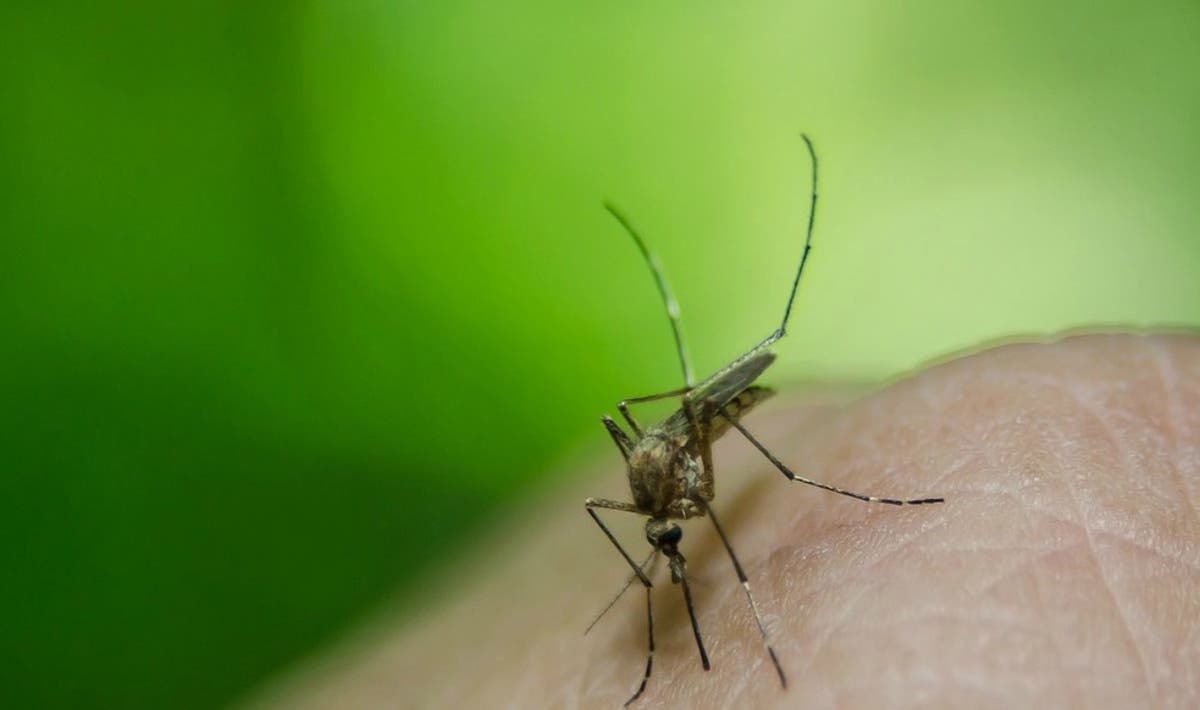
Image via Shutterstock
Get more local news delivered straight to your inbox. Sign up for free Patch newsletters and alerts.