Health & Fitness
Natural Solutions for Attracting Butterflies and Hummingbirds
Want to attract butterflies and hummingbirds to your yard? Here's how.
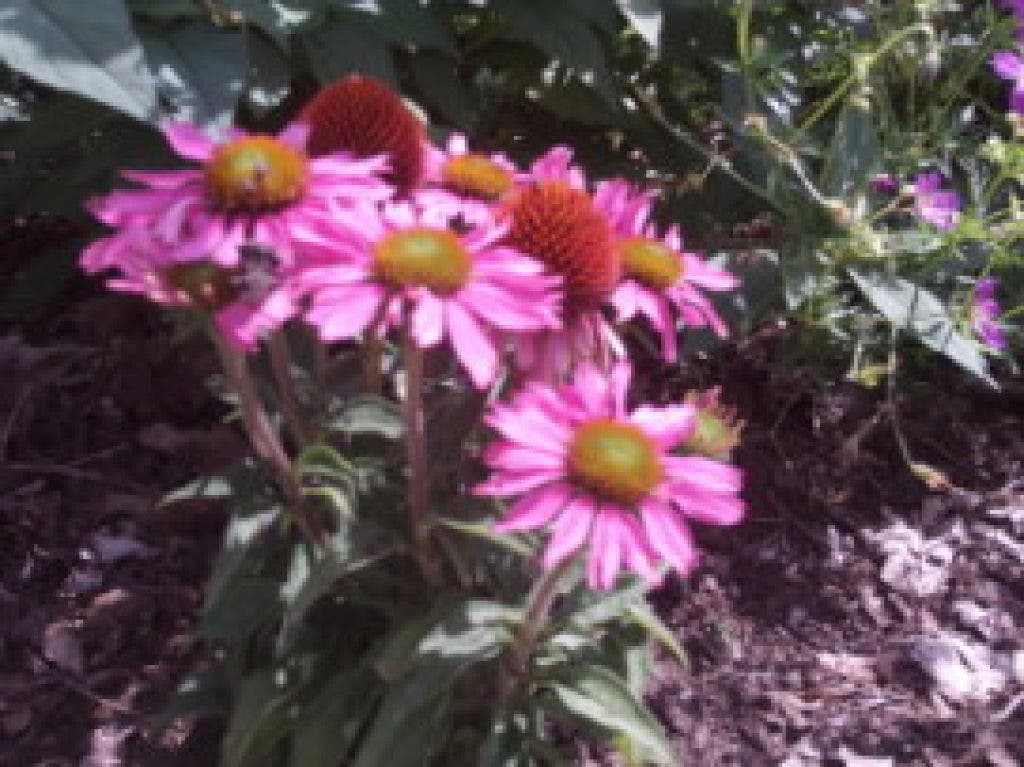
If you are anything like me, the summer sight of those gorgeous butterflies is really a treat. I’m always looking out the windows or around the garden to see which species will show up this year.
The last few years I’ve also had a few hummingbirds flitting around and would love to figure out how to keep them coming back for more. Hummingbirds are very picky with their feeders, since the liquid in them has to be pretty fresh. With my schedule, I don’t always have the time to change the feeders on a regular basis.
I have noticed there are some flowers that will attract both butterflies and hummingbirds and wanted to share what I’ve found.
Find out what's happening in Woodridgefor free with the latest updates from Patch.
Hummingbirds are mostly attracted to the color red – so any red petunias, or even canna lilies will offer an enticement to these sweet little creatures, along with Columbine and Trumpet Creeper. I’ve also witnessed hummingbirds feeding off the flowers of my hostas, even though they are not red. The tube-like appearance of the flower seems to be appealing to them, so you may want to plant some extra hostas to see if that will work. The larger species of hosta, such as Blue Angel, Sum & Substance, and Guacamole, seem to produce a large enough flowers to attract a hummingbird.
Additional flowers for both butterflies and hummingbirds that are found in most nurseries are Hysop (Agastache), Aster, Joe Pye Weed (Eupitorium), Coneflowers (Echinacea), Blazing Star (Liatris) and Bee Balm (Monarda). Along with a large list of other plants that may be more difficult to locate, these are sure to attract butterflies and hummingbirds to your yard. (Comment after this article if you want the full list)
Find out what's happening in Woodridgefor free with the latest updates from Patch.
If you are serious about attracting birds and butterflies to your yard, here are some simple tips for doing so:
1. Add a source of water (pond or bird bath)
2. Provide trees for shelter and nesting
3. Include fruit-bearing shrubs
4. Plant nectar flowers
5. Use host plants to support caterpillar development
6. Maximize diversity of plants and flowers
7. Eliminate chemical fertilizers or pesticides
8. Use plants native to your area
9. Decrease lawn space
10. Clean up in the spring rather than in the fall.
Happy Gardening!