Schools
PNW COVID-19 Cleaning And Disinfecting Protocols
Cleaning and disinfecting will be an important aspect of reducing exposure risks associated with COVID-19.

June 26, 2020
Cleaning and disinfecting will be an important aspect of reducing exposure risks associated with COVID-19. While the university incrementally reopens, all campus community members will be asked to take part in minimizing risk of exposure and preventing the spread by cleaning and disinfecting the various areas of campus.
Find out what's happening in Hammondfor free with the latest updates from Patch.
It is important to understand the difference between cleaning and disinfecting. Cleaning with detergents or soap and water removes dirt and germs from surfaces. This process does not necessarily kill germs, but by removing them, it lowers the risk of spreading infection. Disinfecting kills germs on surfaces or objects by using chemicals, and further lowers the risk of infection.
Enhanced Cleaning Efforts
The Building Services team has and will continue to increase cleaning and disinfecting efforts in high-traffic areas such as bathrooms, corridors, elevators, dining facilities, doorknobs, light switches, handrails and various other surfaces in public areas.
Prior to the start of the fall semester, Building Services will implement a new Restroom Alert real-time management system to assist with maintaining clean, well-stocked and fully functionally restrooms. Each restroom will have a sign encouraging the campus community to report problems by sending a simple SMS text message.
When a customer text is received, our staff is immediately alerted via a separate SMS text message. A timer is started, and periodic reminders are sent to the staff until the issue is resolved.
Find out what's happening in Hammondfor free with the latest updates from Patch.
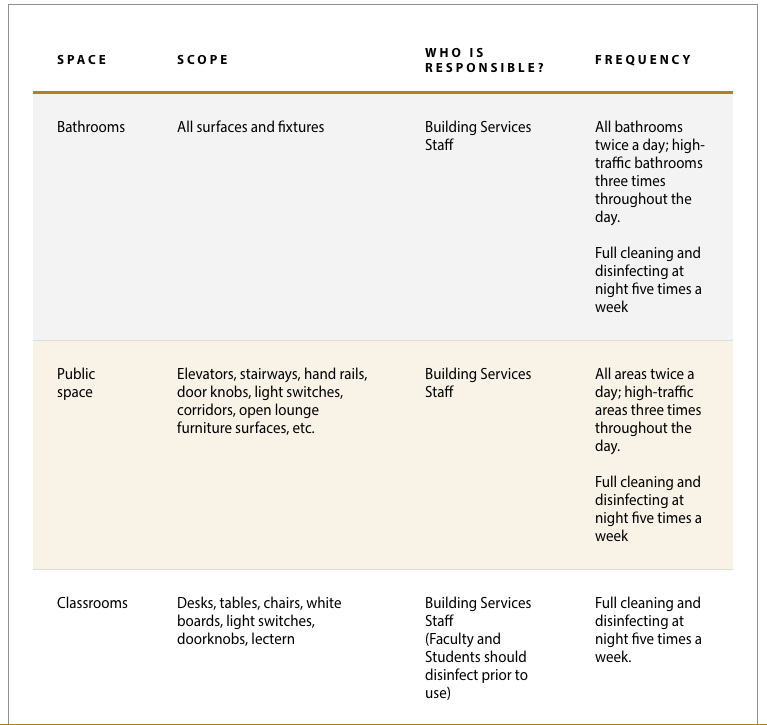
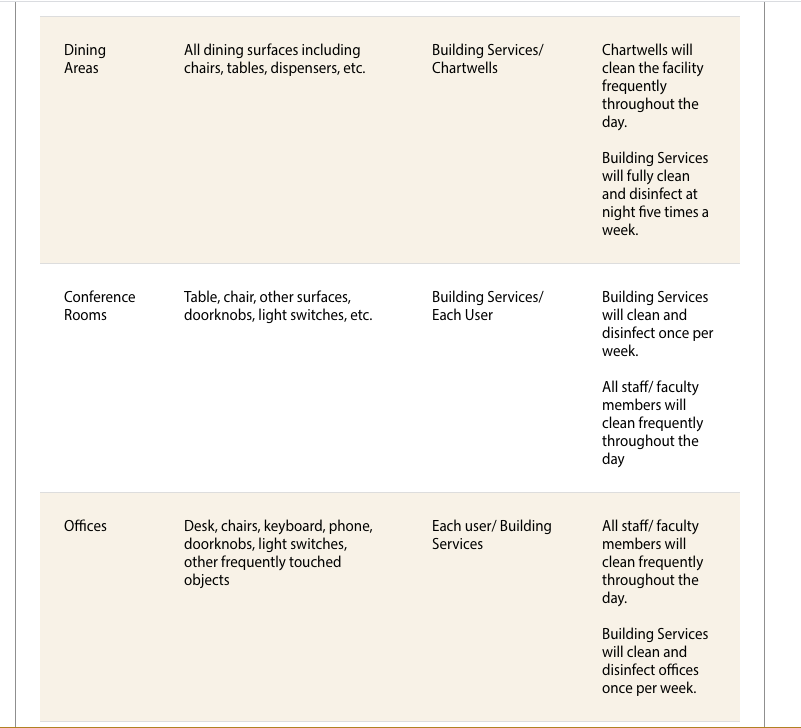
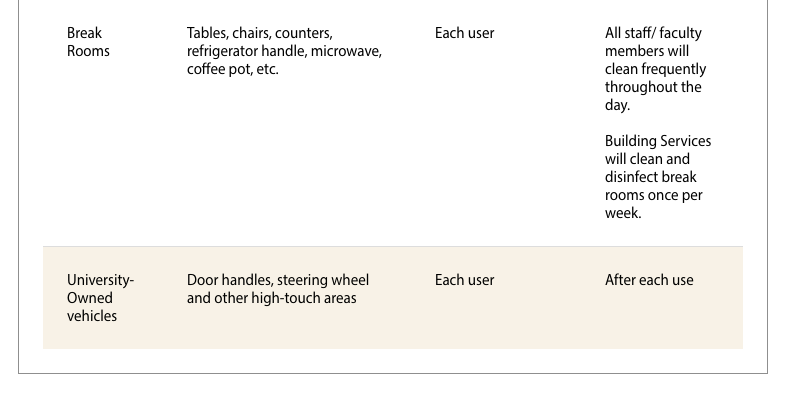
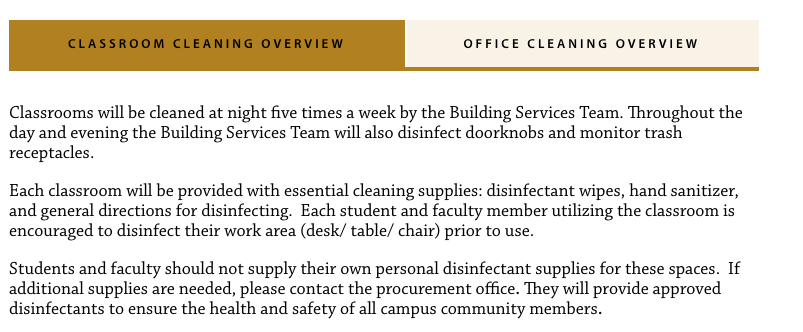
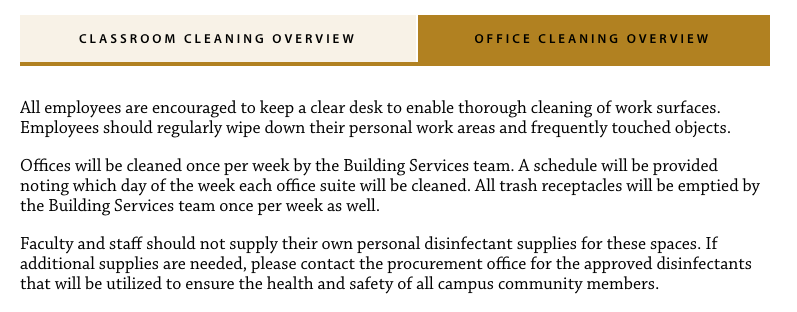
Cleaning and Sanitization Overview
This press release was produced by Purdue University Northwest. The views expressed are the author's own.