Community Corner
2 Young Elephants Die Days Apart At Indianapolis Zoo
Humans and elephants alike are grieving Kalina, 8, and Nyah, 6, young elephants that died days apart at the Indianapolis Zoo.


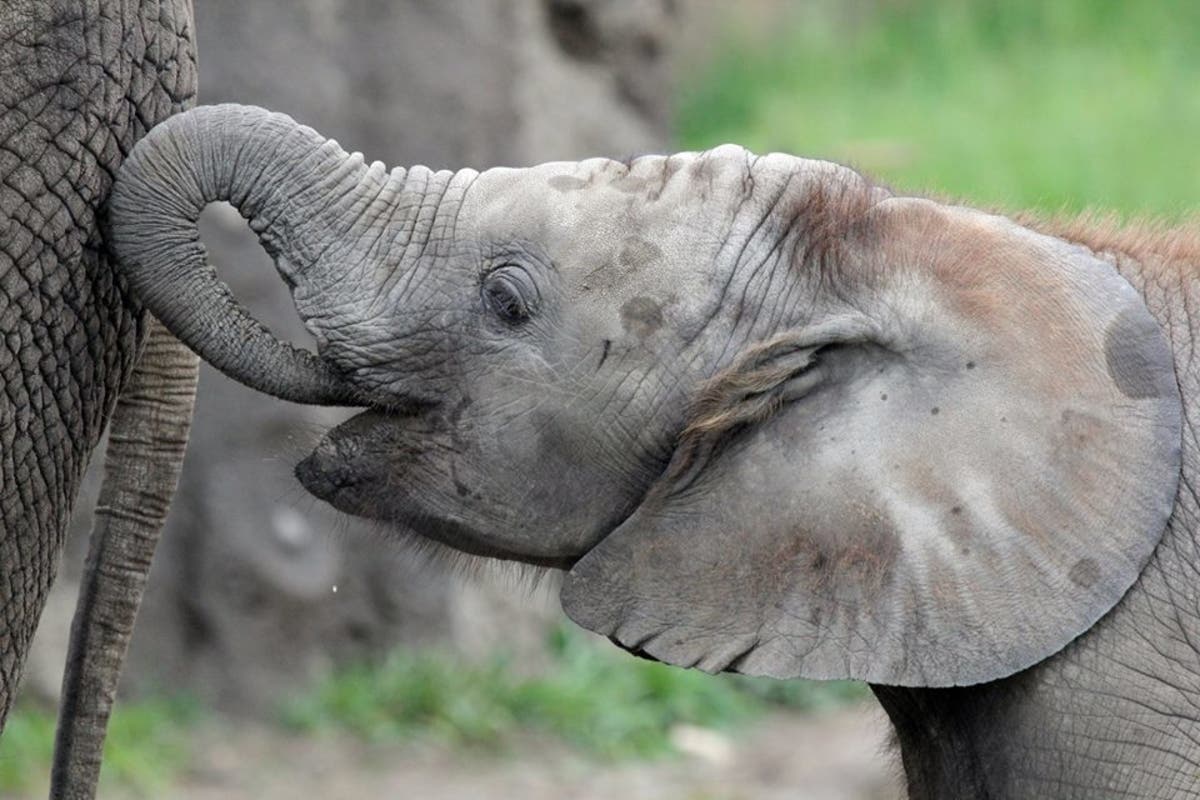
INDIANAPOLIS, IN — A second African elephant has died at the Indianapolis Zoo. The death of Kalina, 8, on March 23 follows the death four days earlier of Nyah, 6. Both elephants, the youngest in the herd at the zoo, are believed to have died from a type of herpes virus that can cause a fatal hemorrhagic disease in elephants and strikes without warning.
The zoo said in a statement the death of the elephants is having an “emotional impact” on the entire zoo family. “We are devastated,” the statement said.
Elephant endotheliotropic herpesvirus, or EEHV, is one of the most deadly viral infections in elephants worldwide, both in zoos and in the wild, but is most commonly found in Asian elephants. There is no vaccine for it, nor a way to prevent it, the zoo said.
Find out what's happening in Indianapolisfor free with the latest updates from Patch.
Both elephants had mild stomach aches and showed little interest in food, and were dead within 48 hours of showing symptoms, zoo President Rub Shumaker told reporters Tuesday. Both Kalina and Nyah tested positive for high levels of EEHV, he said.
The other six elephants in the zoo’s herd were given a chance to spend time with both Kalina and Nyah’s bodies, zoo spokeswoman Judy Palmero told Patch. Sentient elephants lead rich emotional lives, and needed to a chance to grieve and understand why Kalina and Nyah were no longer with them.
Find out what's happening in Indianapolisfor free with the latest updates from Patch.
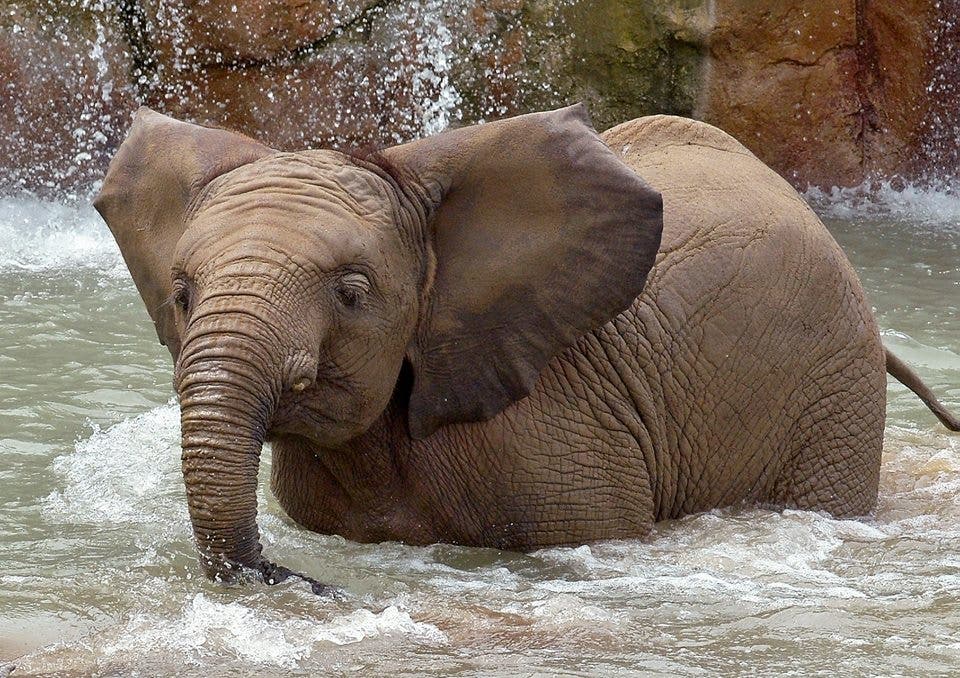
As difficult as their deaths are on humans at the zoo, the loss is more profound for the other elephants, Shumaker said at the news conference.
“We know that elephants grieve. They are intensely social," he said. “And we've seen some pretty dramatic responses from the rest of our herd.”
EEHV is a silent killer of elephants, aggressively coming on without warning. The zoo said it had tested its elephants for the virus, but until Nyah and Kalina became ill, none had tested positive.
EEHV was discovered by in 1995 when a young Asian elephant, Kumari, succumbed to it at the Smithsonian National Zoo, the Indianapolis Star reported. Scientists have been studying the virus since and have identified 14 genetically distinct strains. Some appear to be harmless, and all can remain dormant and undetectable for years.
Before Nyah and Kalina died, two other African elephants and 27 Asian elephants had died of EEHV in North America, according to the Indy Star report. Young elephants are particularly at risk, Paul Ling, an associate professor of virology and microbiology at Baylor College of Medicine, told the newspaper.
Young elephants remain at high risk until they are about 8, though it can afflict elephants into their teens and adulthood, Erin Latimer, the laboratory manager of the National Elephant Herpes Laboratory at the National Zoo, told the newspaper.
“There’s no age at which we can say an elephant is not at risk,” Latimer said.
“Sometimes, even with early detection and the best veterinary care, we’re still losing the calves,” Latimer continued. “You can’t play a blame game. Even with the best care, the virus still can get out of control.”
Shumaker said the zoo’s other six elephants are on an anti-viral medication out of an abundance of caution.
Get more local news delivered straight to your inbox. Sign up for free Patch newsletters and alerts.