Arts & Entertainment
Ames Potter Still Feels Recession
Mary Weisgram said the current recession began to affect her business in 2005.


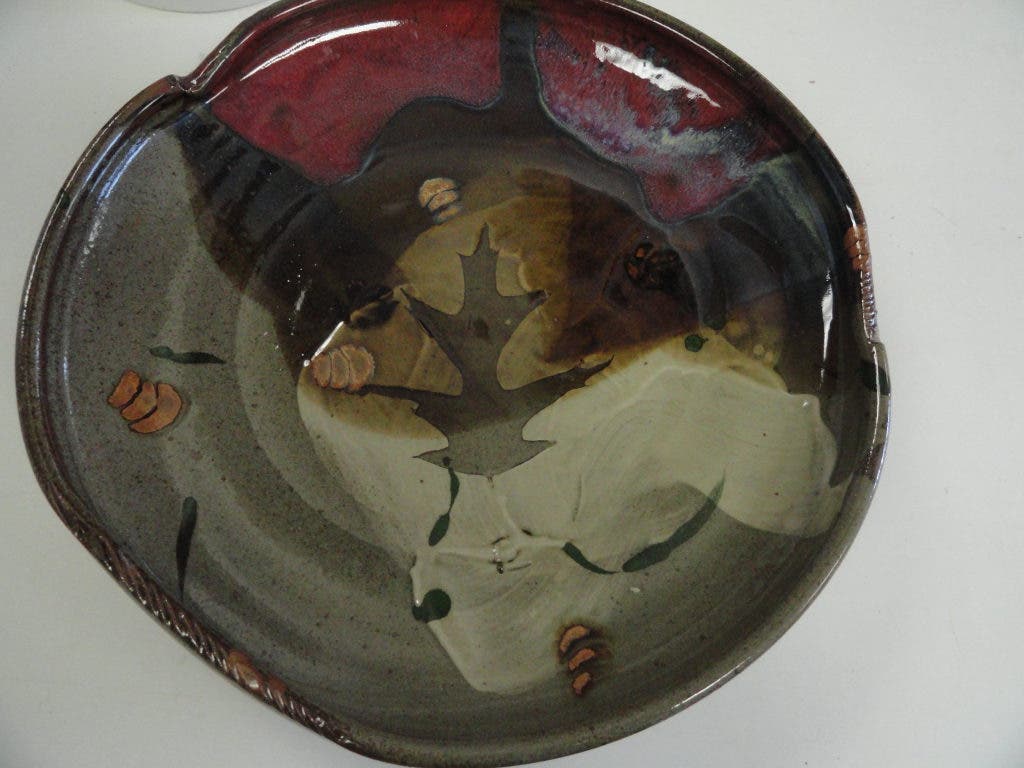


Many think of the 2008 stock crash as the beginning of the current recession, but for potter Mary Weisgram it came much earlier.
She was at an art festival in Ohio. It was 2005 and she sold a quarter of what she brought.
“Artists are the canaries of the coal mine,” said Weisgram, 68.
Find out what's happening in Amesfor free with the latest updates from Patch.
Nearly 130,000 artists were unemployed by the end of 2008, according to a study by the National Endowment for the Arts. The artists job market is unlikely to improve until long after the economy recovers, the report “Artists in a Year of Recession” stated.
A more recent study suggested some art related jobs, such as interior design and museum curators, could see rapid job growth through 2018, but artists like Weisgram aren't yet seeing signs of recovery.
Find out what's happening in Amesfor free with the latest updates from Patch.
“This is my fourth recession, and it's the worst one,” Weisgram said.
Art is More Than a Hobby
For Weisgram, her art is more than a hobby. It's her living. She's been lucky enough to keep art as her full time job. She's been a professional artist in Iowa since 1969.
Weisgram, currently the artist in residence at Creative Artists' Studio of Ames, frequently travels across the country to participate in art shows, such as the show in Ohio in 2005.
Ohio was affected by the collapse of the auto industry in neighboring Michigan. The ripple effect hurt all types of businesses, Weisgram said. Seven years later, galleries still request artists send them smaller items and more giftable pieces that can sell, she said.
Yet, Weisgram uses the same process when making a large piece as a small one. They take multiple glazings, stains and firings.
“I work a little harder for a little less."
Letitia Kenemer, fine arts coordinator at 's Memorial Union, said sales in art dropped significantly in 2008, but sales during the 2011 show were the best they've ever had.
Artists Adjusting to New Expectations
shop manager Ruth Wiedemeier said sales during the 2011 festival were better than 2010. That may be because artists have adjusted.
Artists have stopped trying to sell larger pieces, said Heather Johnson, Octagon Center's executive director.
A painter might create a 16-by-20 inch painting instead of a 30-by-40, she said.
And seminars for adult art classes have become a little shorter, too.
Classes cost less if they offer them for six weeks instead of eight, said Kenemer who oversees classes at the university's Workspace.
For Weisgram the adjustment has meant making what sells.
“I'm very thoughtful of what I take in,” she said.
Her bold colored platters are a favorite.
She consigns her clothing and spends as little money as necessary. She and her husband buy used vehicles instead of new ones.
Her husband pays most of the house bills, which he always has. But there was a time she could cover the cost of a new washer or stove.
“I used to be able to write those checks,” Weisgram said.
You can find more articles from this ongoing series, “Dispatches: The Changing American Dream” from across the country at The Huffington Post.
Get more local news delivered straight to your inbox. Sign up for free Patch newsletters and alerts.