Health & Fitness
Would You Buy a Home Where Someone Died?
Would you buy a home that was the scene of a murder or suicide? Find out which way others in the house-buying market tend to lean.

People die every day. And sometimes, people die in their own homes. When that happens does a new buyer have to be told about it?
This question comes up quite a bit in real estate. I have worked with clients before that wanted me to ask every seller if anyone had died in the home. To other people, that fact does not matter.
But I am talking about two very different types of death. The first, I would classify as normal. This is the type of death in which someone dies in their sleep or of natural causes. Most people realize that if a house is old enough, this could very likely happen in the history of that home. Many buyers would still go ahead and purchase a home, even after learning of a natural death in the home.
Find out what's happening in Ankenyfor free with the latest updates from Patch.
The type of death that has more of an impact is one which leads to the property becoming "stigmatized." This would include suicides and murders.
If you are a seller and somebody has been murdered or committed suicide in your home, do you have to disclose it to the buyer?
Find out what's happening in Ankenyfor free with the latest updates from Patch.
To answer that question, you have to look at the law. If you look at the mandatory seller's disclosure I use, there is nothing on it about this topic at all. But is it a "material adverse fact"? That is something that impacts the property in a negative way. For instance, if you are selling your home and you know that every night between 2 and 5 a.m. the neighbor's dog howls at the moon and you can't sleep, this is something the new buyer should be made aware of, because it is serious enough to determine if they will or will not buy a home.
So, does a murder or suicide count?
Basically the law seems to say it is up to the buyer to figure this out. There is no law in Iowa that specifically states a buyer needs to be made aware.
I dealt with this personally a few years back when I sold a friend's house. A family member had committed suicide in the detached garage. I remember asking my broker at the time if we needed to disclose this to the buyer and he told me to leave it up to the sellers. The sellers told me not to say anything about it, and I didn't. I don't believe I was required to, and I had to respect my client's wishes.
But there is no question that a stigmatized property can take a long time to sell and it will generally sell for less than market value. A famous example nationally was the home of Nicole Brown Simpson. The home was for sale for years, before a buyer finally purchased the home. Eventually the home got its address changed and it was remodeled.
Other famous crime scene homes have been demolished altogether. The apartment building where Jeffrey Dahmer killed most of his victims was torn down. So was the home where John Wayne Gacy killed his victims in the Chicago area.
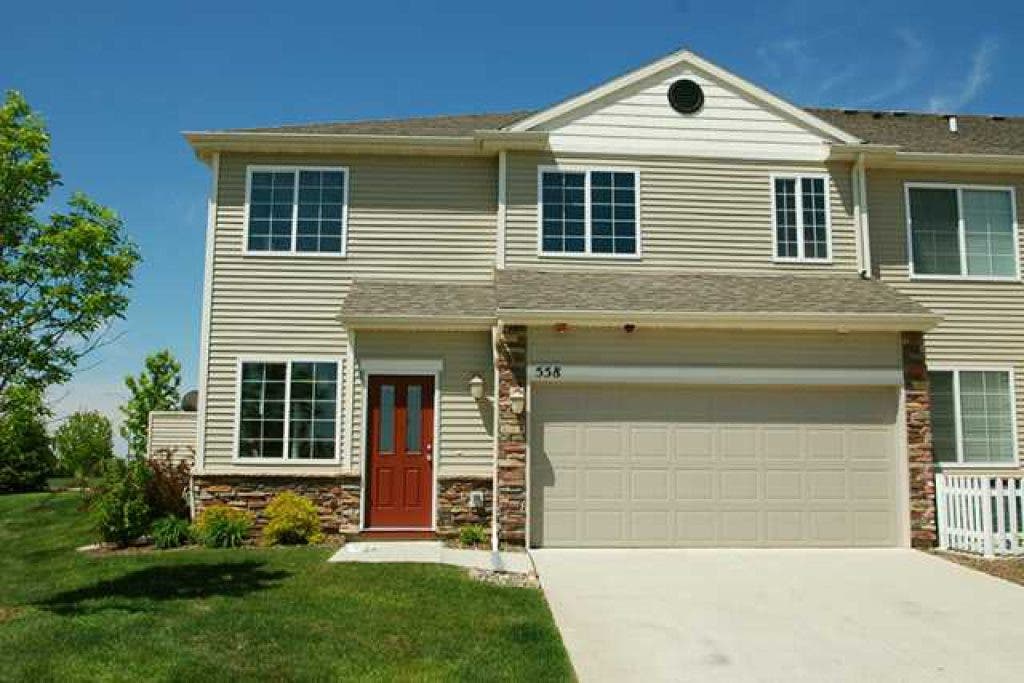
Here locally, I have been keeping my eye on the most recent stigmatized property in the area, that being 558 Stone Creek Court in West Des Moines.
This is the town home where Realtor Ashley Okland was murdered last April.
At the time of her death, the unit was pending. That buyer backed out. Over the next year, every other property in the development sold, except for that unit. I heard from another agent that she knew of a potential buyer who was interested, but they wanted to have some changes done, to make the place feel different from the day Ashley was murdered. The builder apparently refused those requests.
I did however, look up the property again this morning and see it has gone pending once again. Time will tell if it will close this time. It seems they finally found a buyer who was willing to live in a former crime scene.
The length of time it took to sell that unit is indicative of how many people feel about living in a home where something tragic has happened. I think for most people, they just realize there are a lot of homes available so there is no need to settle for one that has a sad history to it.
If you are interested in learning more about the history of your home, google is a good tool. You can also try your local newspaper or ask your local police department if they know of any info on your home.
Mark Charter