Community Corner
Polk County Residents Among Those Affected by New Diarrhea-Inducing Parasite
Polk County Department of Public Health said Monday morning the state has seen 68 confirmed cases of cryptosporidium infections this month.


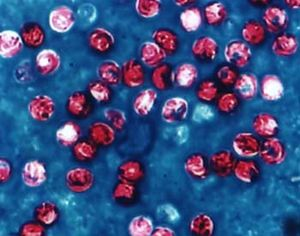
Dozens of Polk County residents are being affected by cryptosporidium, a parasite that causes sickness and is often spread through drinking water or swimming pools.
According to the Des Moines Register, Polk County Department of Public Health said Monday morning the state has seen 68 confirmed cases of cryptosporidium infections this month.
That figure was more than double the 32 confirmed cases the county had last week, the article said.
Find out what's happening in Ankenyfor free with the latest updates from Patch.
This parasite is different than the cyclospora outbreak seen throughout the state in recent weeks, which has sickened more than 140 Iowans and has been blamed on tainted vegetables.
According to Polk County Health, cryptosporidium is most commonly spread through drinking water and recreational water and can cause watery diarrhea, stomach cramps, dehydration, nausea and vomiting with symptoms lasting 1-2 weeks.
Find out what's happening in Ankenyfor free with the latest updates from Patch.
Polk County Health Department Director Rick Kozin said in a media release that cryptosporidium is very tolerant to chlorine disinfection, so it is not uncommon to see more cases in the summer months if people are not following proper etiquette and safety precautions when in pools and recreational water.
However, this year's outbreak has been larger and earlier than usual, the Register article said.
Cryptosporidium can live in the intestine of humans and animals and is passed in the stool of an infected person. A person can get cryptosporidium by coming in contact with the feces of another person who has it. This can happen by changing a diaper or when a person sick with cryptosporidium fails to wash their hands thoroughly after using the restroom then touches an object or prepares food.
The parasite can also be found in soil, food, water, or surfaces that have been contaminated with feces from infected humans or animals. A person can become infected by accidentally swallowing the parasite.
To prevent the spread of cryptosporidium in pools, fountains and lakes follow these tips:
- Do not swim if you have diarrhea (this is essential for children in diapers). If you have been diagnosed with cryptosporidium or another parasite do not swim for at least 2 weeks after diarrhea stops.
- Shower before entering the water.
- Wash children thoroughly (especially their bottoms) with soap and water after they use the toilet or their diapers are changed and before they enter the water.
- Take children on frequent bathroom breaks and check their diapers often.
- Change diapers in the bathroom, not at the poolside.
Get more local news delivered straight to your inbox. Sign up for free Patch newsletters and alerts.