Politics & Government
Iowa City Council Approves First Vote on Limiting High-Density Student Housing Near Downtown
The council put a limit of the amount of non-related people who can live in one building as part of a general move by the council to limit high-density, multi-bedroom room apartments in neighborhoods in and near downtown Iowa City.


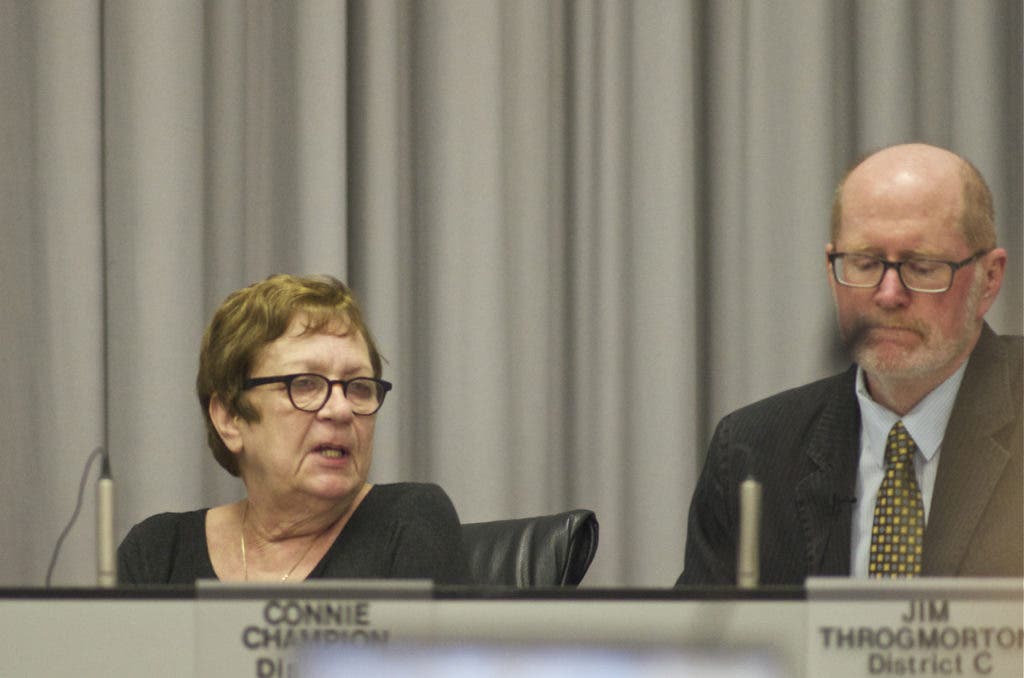
The pushback from property owners slowed the council down, but it wasn't quite enough to swing the issue to their favor.
In the first of three necessary votes to pass into approval, the council voted 5-1 to reduce the number of unrelated tenants who can live in a dwelling from as many as five in some areas to three people instead. Council member Michelle Payne was absent.
Three unrelated tenants is already the maximum in the rest of the city. Developers have argued that doing this will effectively stop the new construction of apartment buildings with units featuring more than three bedrooms in the downtown area.
Find out what's happening in Iowa Cityfor free with the latest updates from Patch.
Council member Susan Mims, one of the yay votes, said she voted the way she did in order to preserve balance in the neighborhoods close to the downtown, which she said lately have neared the tipping point of causing long term single-family residents to leave the neighborhood.
"What we are looking for is really a balance in our neighborhoods, particularly in our neighborhoods close to the University." Mims said. "This is certainly not in any way, shape, or manner an anti-student vote."
Find out what's happening in Iowa Cityfor free with the latest updates from Patch.
Neighbors have complained for years about parties, loud noise and other raucuous behavior in rental properties dominated by college students. This ordinance was one of three intended to combat this trend. The other two -- one requiring more parking space for larger apartments, the other explicitly limiting the number of bedrooms in multi-family houses to three -- were set for public hearings to be considered at the April 17 council meeting.
Council member Jim Throgmorton said that the high-density student housing has had unwanted negative effects that have spilled over into residential neighborhoods. He said he was unswayed by the pleas of developers, who claimed that existing high-density properties that would be allowed to continue operating due to being grandfathered in would lose their property values.
"Some of the objections would carry more weight with me if I knew that the objectors lived in Northside neighborhood, or in the College Green neighborhood, and had to experienced the negative effects that neighbors have highlighted," Throgmorton said, "but that's not the case, though, as far as undestand it."
Tuesday's night vote was delayed from a previous meeting to allow for potential protestors in the affected area to write letters resisting the change. If 20 percent of residents in the affected zone had protested, a super majority would have been required. This threshhold, however, was not reached.
Council member Terry Dickens was the only no vote. He stated that his main opposition to the changes was how they were done, without following the usual procedures. This included the moratorium that affected the plans of local developers.
"The problem that I had with it is people had bought property in good faith following what the city had done with it," Dickens said. "I just didn't like the way it was done."
Although several members of the public were in attendance for the discussion, none spoke during the additional public comment segment that preceded the council's vote.
Get more local news delivered straight to your inbox. Sign up for free Patch newsletters and alerts.