Health & Fitness
A Warm Spring Allows us to Divide our Perennial Plants Early
One of the positives to this weirdly warm Spring is that many perennial plants are way ahead of schedule so you can get an early start on dividing perennials. Here are some tips!
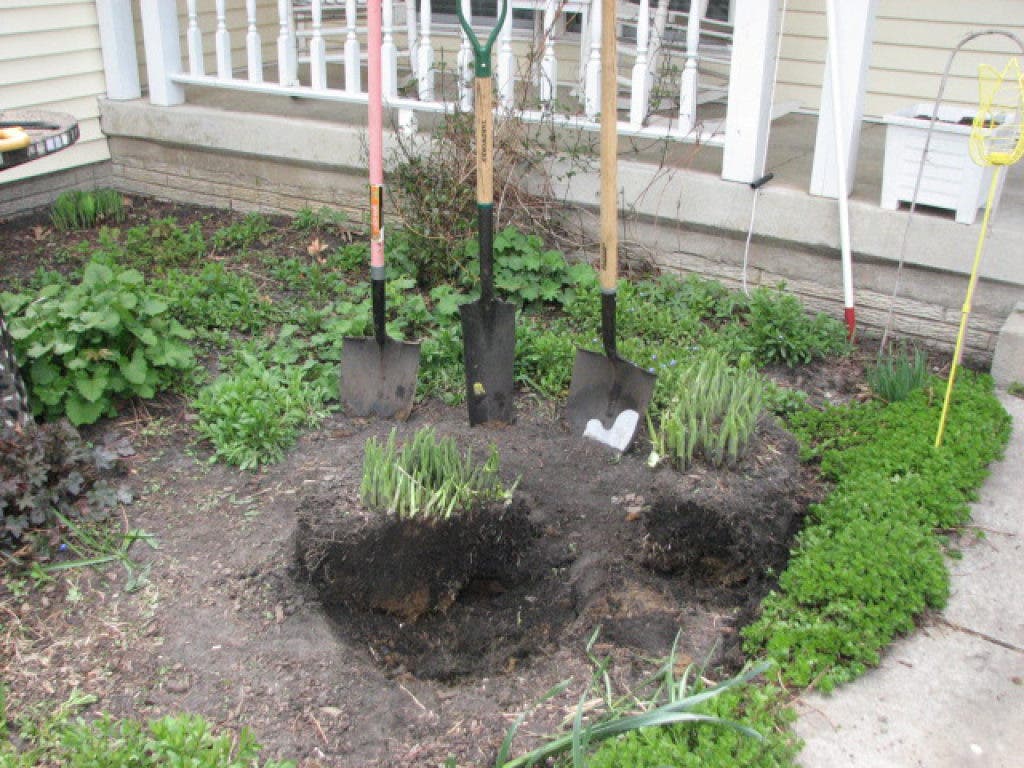

One of the positives to this weirdly warm Spring is that many perennial
plants are way ahead of schedule so you can get an early start on dividing
perennials. If your perennials are declining, don’t bloom as often,
deteriorating in the center, or taking over the flower bed, it’s time to divide.
Division rejuvenates plants, controls size and increases air circulation which
helps fight against disease and pests. Besides, what gardener doesn't want more
plants?
The ideal way to divide a perennial is to dig up the entire plant using the
drip line of the plant for guidance - most plant root will reach all the way to
the drip line. Look at root health and only keep those that look nice and
healthy. Use vigorous sections of plants first. The size of the division depends
on the species. Hosta, iris and daylily grow pretty quickly after being divided.
Other plants like peony grow better if the divisions are bigger. The smaller the
division the smaller the root system and the longer you’ll wait for new blooms
(which typically is 1 to 2 years).
Always add organic matter back into the area where you are working. General
rule of thumb is if you take out a wheelbarrow full of perennials make sure you
add a wheelbarrow full of compost back into your garden bed. If you don't add
back organic material the bed will settle and there will be less oxygen and
nutrients for the plants and they won't flourish.
Find out what's happening in Marionfor free with the latest updates from Patch.
It's ideal to replant divisions right away but if you're stuck with a
"holding" period for plants make sure you keep the roots cool and moist. If time
gets away from you and divisions dry out soak the roots in a bucket of water for
about an hour before replanting.
Plant the new divisions at the same depth as the original plant. Make sure
you spread out the roots and place them in a hole that's at least as wide as its
roots. Don't turn root tips up or curl them around the root ball when replanting
or you'll disrupt root growth and it won't grow vigorously.
Find out what's happening in Marionfor free with the latest updates from Patch.
How often and when to divide? This depends on the plant. Fast growing
daylilies, hosta and bee balm can be divided regularly or every 3 to 5 years.
Yet, some plants don’t want or need to be divided. General rule of thumb for
timing is to divide summer and fall blooming perennials in early spring as new
growth appears. Divide spring blooming perennials in late summer or early fall
so they can establish root systems before winter. Never divide a perennial when
it’s blooming, but if you absolutely have to, make sure to give it extra
attention with frequent waterings and provide some shade from very hot sun until
it becomes established.
Visit ISU Extension at http://www.extension.iastate.edu/Publications/RG319.pdf for good general division guidelines for many popular plants.
Lisa Slattery
ISU Extension & Outreach Linn County Master Gardener
For unbiased, research-based answers and information call the Linn County Master Gardeners at 319-447-0647