Health & Fitness
Gluten-Free doesn’t mean Bread-Free anymore
New research leads me to believe that even the Gluten Free among us can enjoy a good loaf of sourdough bread without causing themselves grief.
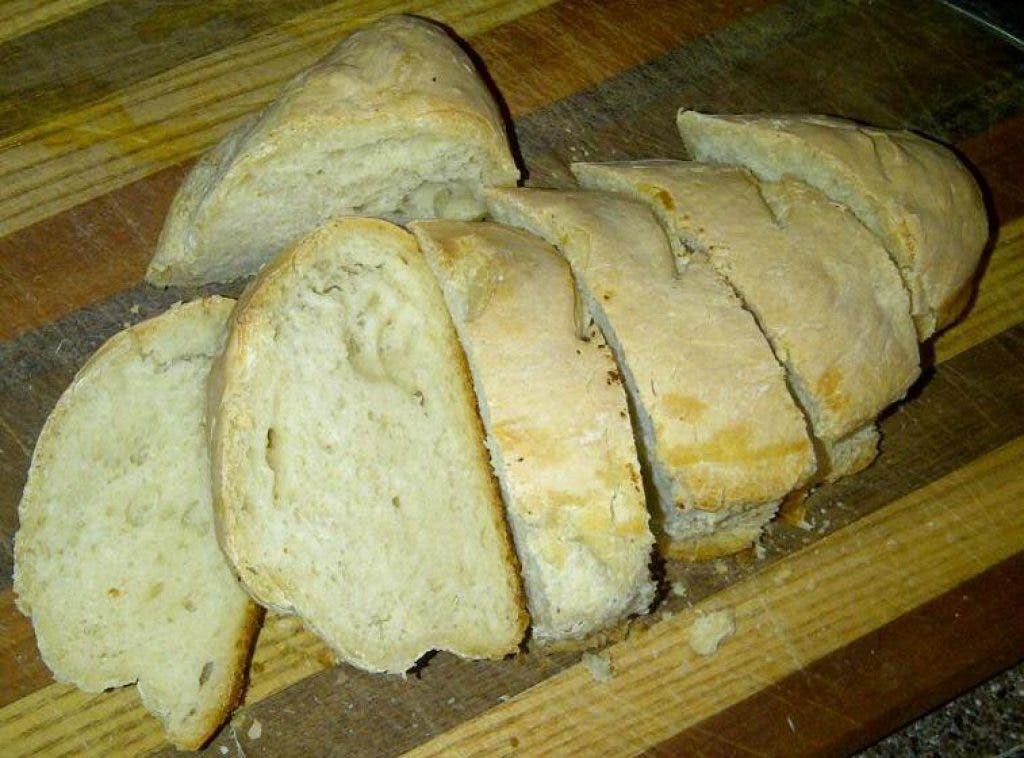

If you are sensitive to gluten, and have been avoiding bread, you will want to read this article published in the September 2012 issue of Whole Living.
It turns out that even if gluten gives you trouble, a good loaf of sourdough bread may not bother you.
“Over the past decade, several studies have found that some people with gluten issues can tolerate intensely fermented wheat. The studies are small, and celiac experts like Joe Murray, a gastroenterologist at the Mayo Clinic in Minnesota, consider their data weak. Still, they point in the same direction. One, published in 2007 in the peer-reviewed Applied and Environmental Microbiology, found that when wheat bread was thoroughly fermented, it reduced gluten levels from roughly 75,000 parts per million to 12—a level that technically qualifies as gluten-free.”
Find out what's happening in Marionfor free with the latest updates from Patch.
I decided to try the gluten free way of life about four years ago in the hopes that it would cure all the ailed me. It did. In fact, it was such a success, that I said I didn’t care if it was the gluten free diet that worked magic for me or if it was the placebo effect. Either way, it worked. Over the past two years, I’ve figured out that I can have some gluten, but there’s a threshold. I sometimes eat the Evil Bread, but I know better than to eat the whole loaf. This news about sourdough bread is certainly interesting.
If the article inspires you....
Find out what's happening in Marionfor free with the latest updates from Patch.
Start a Sourdough Starter:
Mix 1 cup flour, 1 cup warm bottled/distilled water (chlorine kills yeast), 1 teaspoon dry yeast, and 1 teaspoon sugar in a mason jar. Let it sit in your sink, uncovered, for 48 hours. It’s going to make a fuss. It may bubble over, foam up, and make your kitchen smell like a bakery. If it does those things, you have created your own sourdough starter. It should smell sour. That yellowish liquid that sits on top? That’s hooch. Yes, like the kind they talk about on the prison shows. You can just stir it back in before you use it. I store mine in the refrigerator, and let it come to room temperature before I make dough with it. If your hooch is orange or pink, something has gone wrong. Throw it out and start over.
Bake the Bread:
Now, this is the part that tends to make people nervous. When you bake bread with a sourdough starter at home, you need to be flexible where the “recipe” is concerned.
Mix 1 cup sourdough starter, 2 cups flour, 1 cup water, 1 teaspoon salt, and 1 teaspoon sugar together in a plastic, stoneware, glass, or enameled bowl. The dough may be sticky. If it seems dry, add a bit of water. If it seems wet enough that it won’t hold its shape at all, add a bit more flour. Just mix it right in the bowl. No need to knead! When it looks like a ball of sticky dough, cover it with a towel and leave it alone for an hour. Sometimes, I leave mine alone overnight. If I’m walking away from it for more than a few hours, I cover it loosely with plastic wrap. The dough sticks to the wrap. That’s OK. It’s better than having a skin of dried dough to deal with.
When the dough has at least doubled in size, turn it out onto a floured work surface and gently fold it over on itself until it resembles a smooth ball of dough. It may be a bit mushy, soft, or seem delicate. That’s fine, as long as you’ve worked in enough flour for it to not be sticky anymore. Place it seam side down on a wooden cutting board that you’ve covered with cornmeal. Cover it with a towel, and turn your oven on to 450 degrees. You should have two racks in your oven; one in the middle, and one right below it. Place some sort of a shallow metal dish on the bottom rack. It’s best if you have a baking stone in your oven. If not, put a cookie sheet in the oven.
When your oven has preheated, slide your bread dough off of the cutting board onto the baking stone in your oven. If it lands sideways, scoot it over a bit, but don’t worry if it doesn’t look perfect. Pour about ½ cup of water into the shallow dish below your baking stone, and close the oven door. The steam will help your bread rise while it bakes, and it will create a wonderful crispy crust for you.
Bake for 30-40 minutes, depending on how crusty you like your bread.
Pull the loaf out of the oven with tongs and let cool 30 minutes or so. If you try to slice into it sooner, you may crush all of your hard work.
Before you put your sourdough starter back in the fridge, you'll need to "feed" it. Just use equal parts flour and water. I use 1/2 cup of each.
For more on cooking Gluten-Free, check out this upcoming cooking class. Bring a friend and an empty stomach.
Gluten-Free Basics: Please a Family
Gluten-free meals can be easy and delicious! Learn the basics of eating and cooking gluten-free, sample different kinds of gluten-free foods and learn to cook your family’s favorite meals without gluten. Demonstrations include macaroni and cheese, traditional pizza, apple crisp and spaghetti with meatballs. Samples of each dish will be provided.